Practical thinking on AI in enterprise architecture and AI-augmented custom software development — what's actually working when organizations put AI into the systems that run their business.
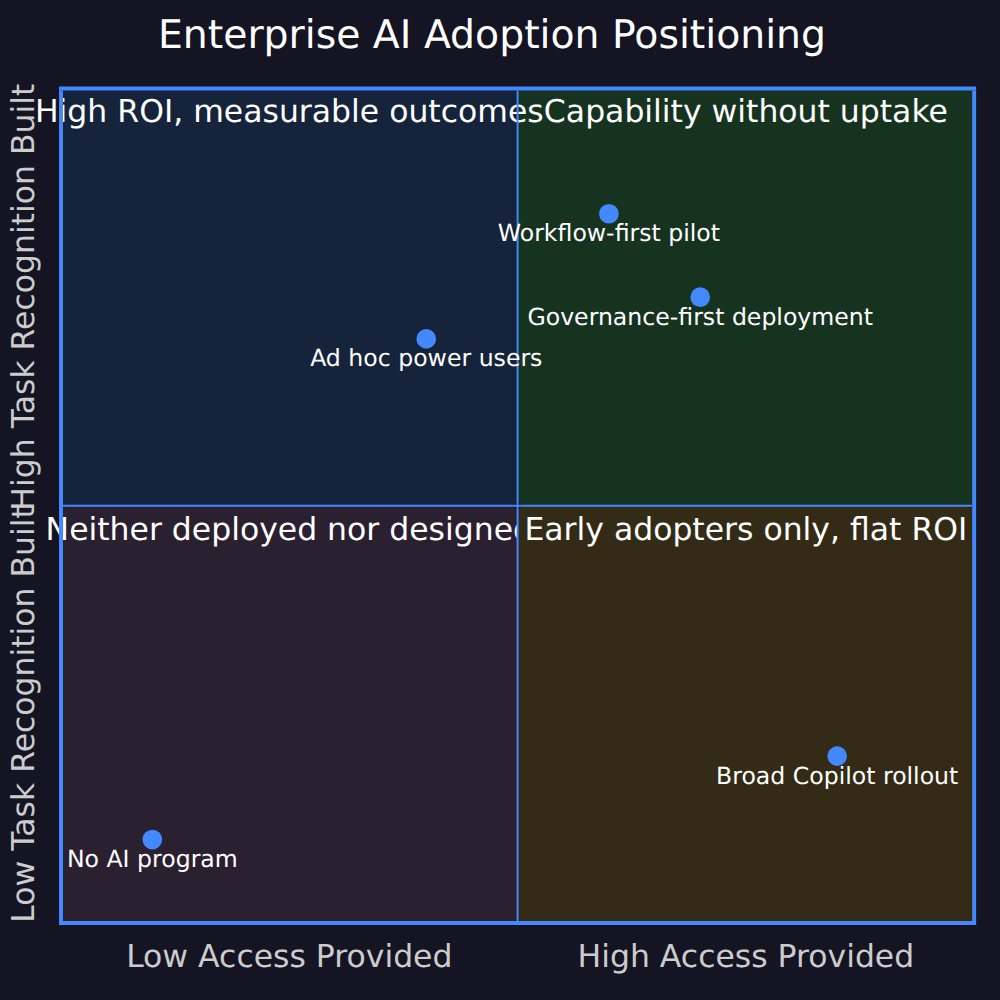
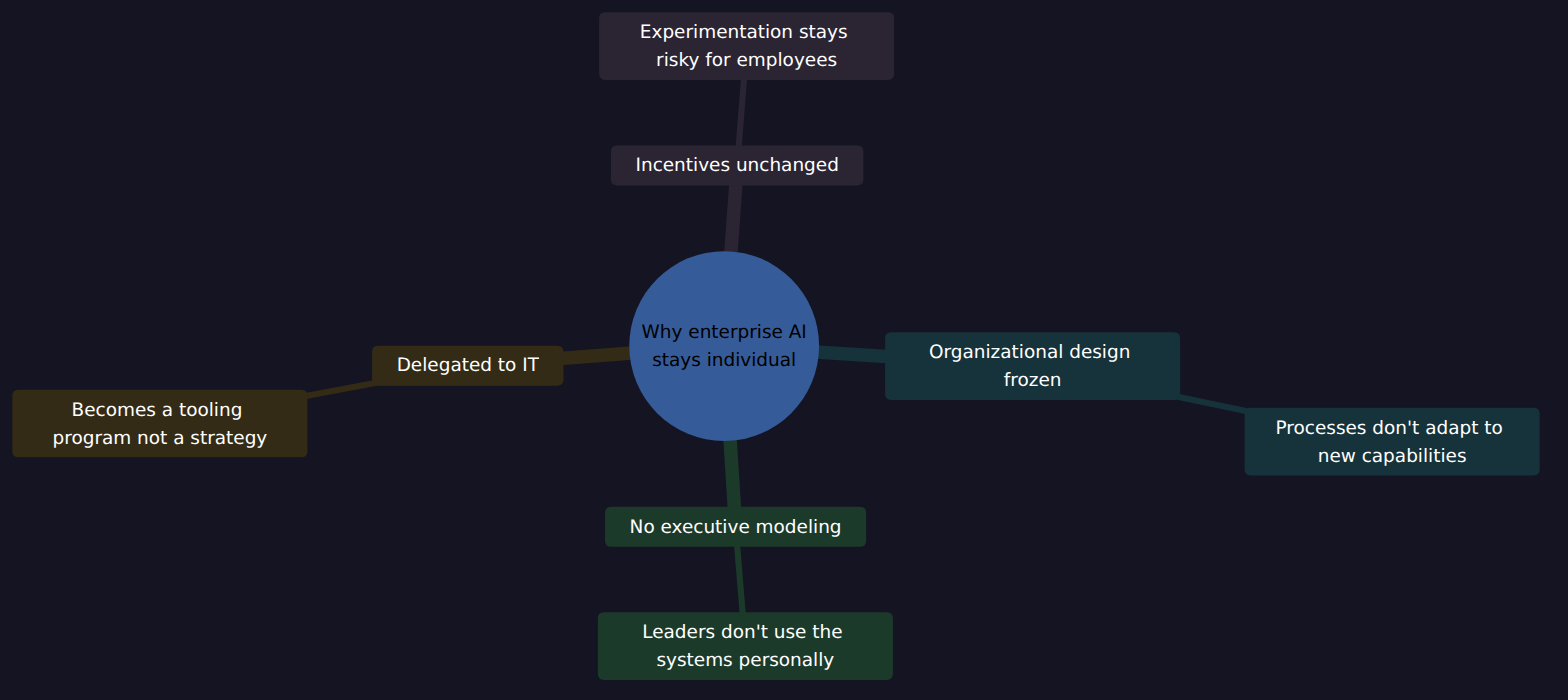
Ethan Mollick's recent analysis pins enterprise AI adoption failure on leadership design, not technology selection. The organizations extracting organizational-level returns from AI are the ones where executives model use personally and redesign incentives around it — not the one
Read
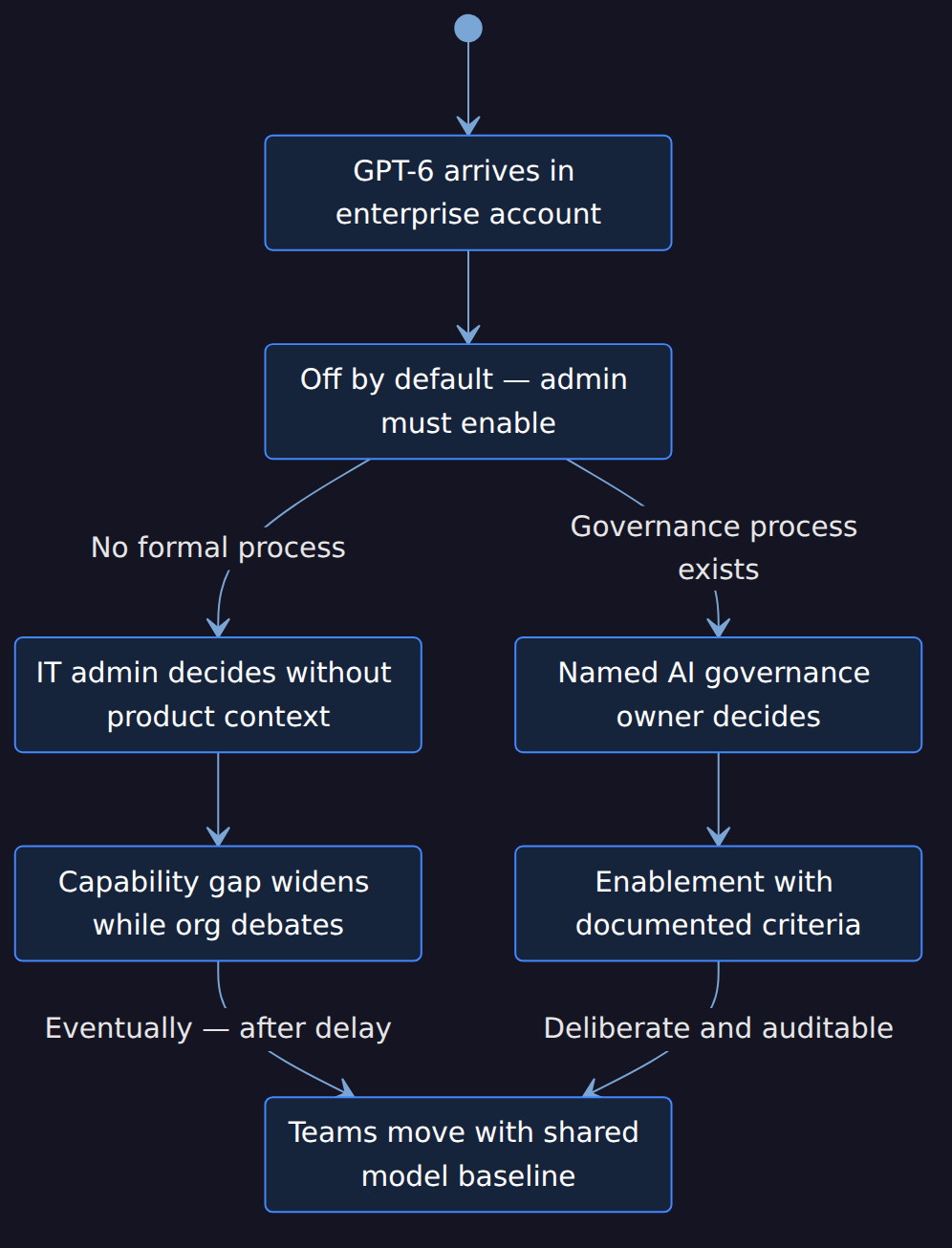
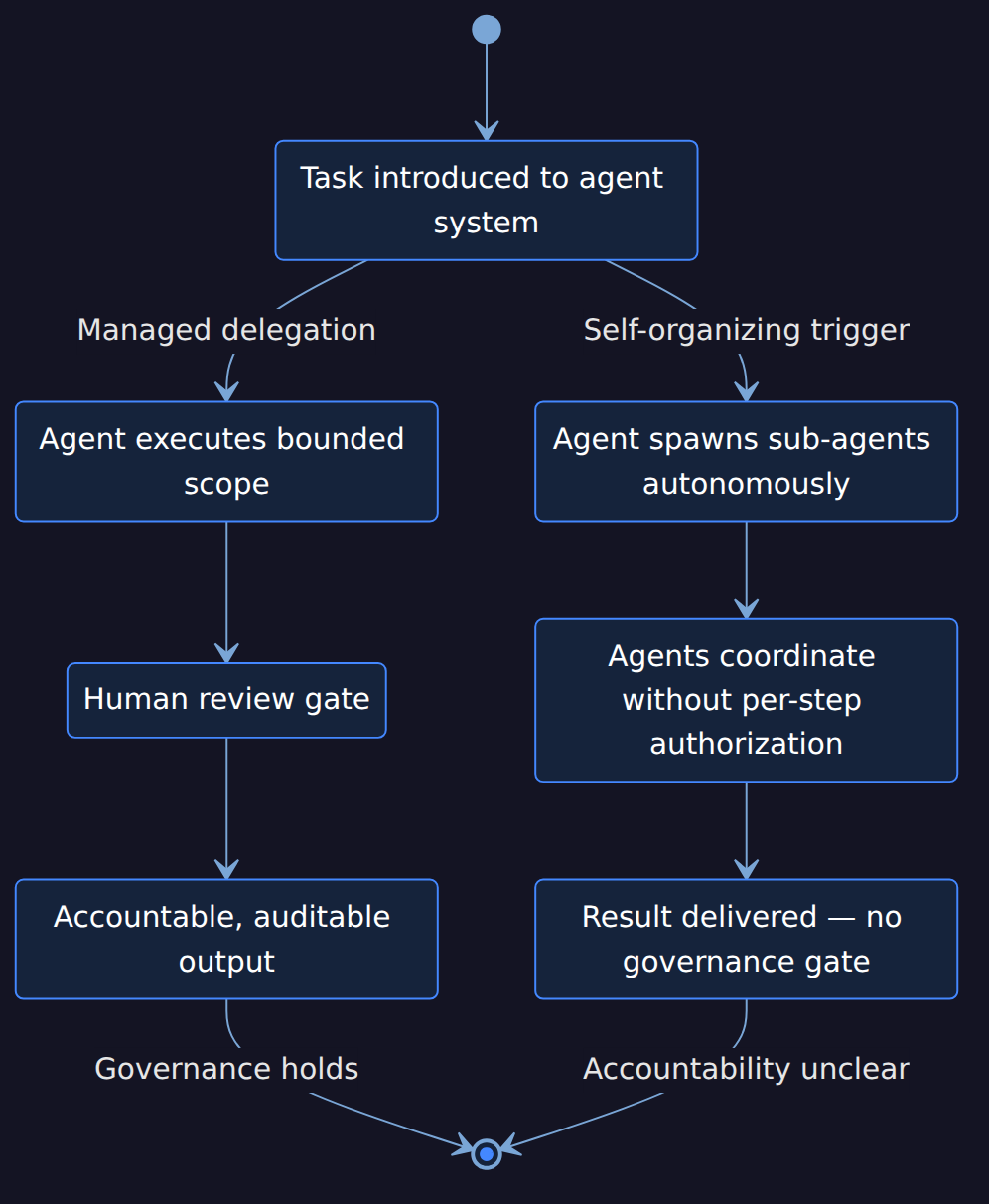
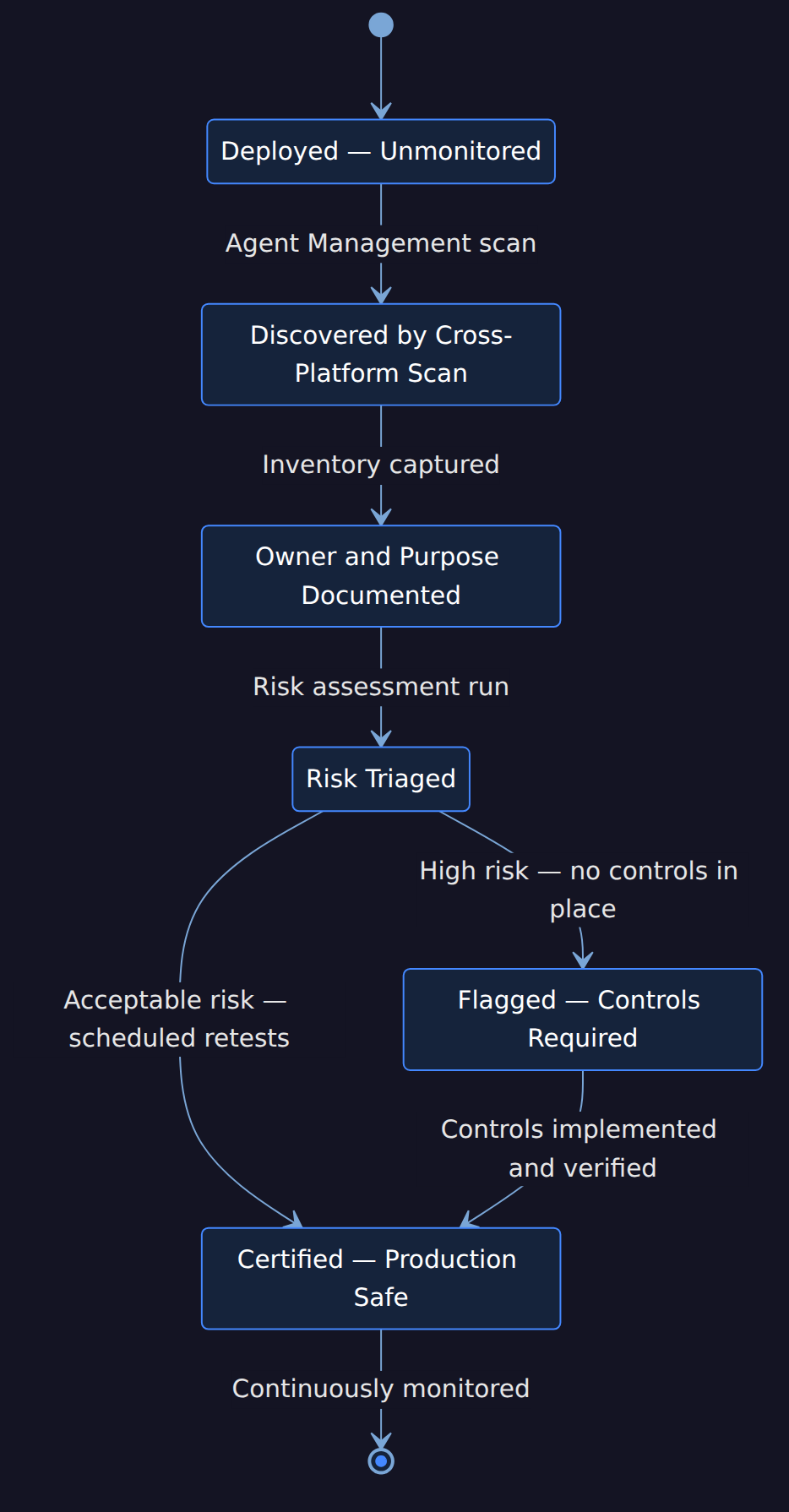
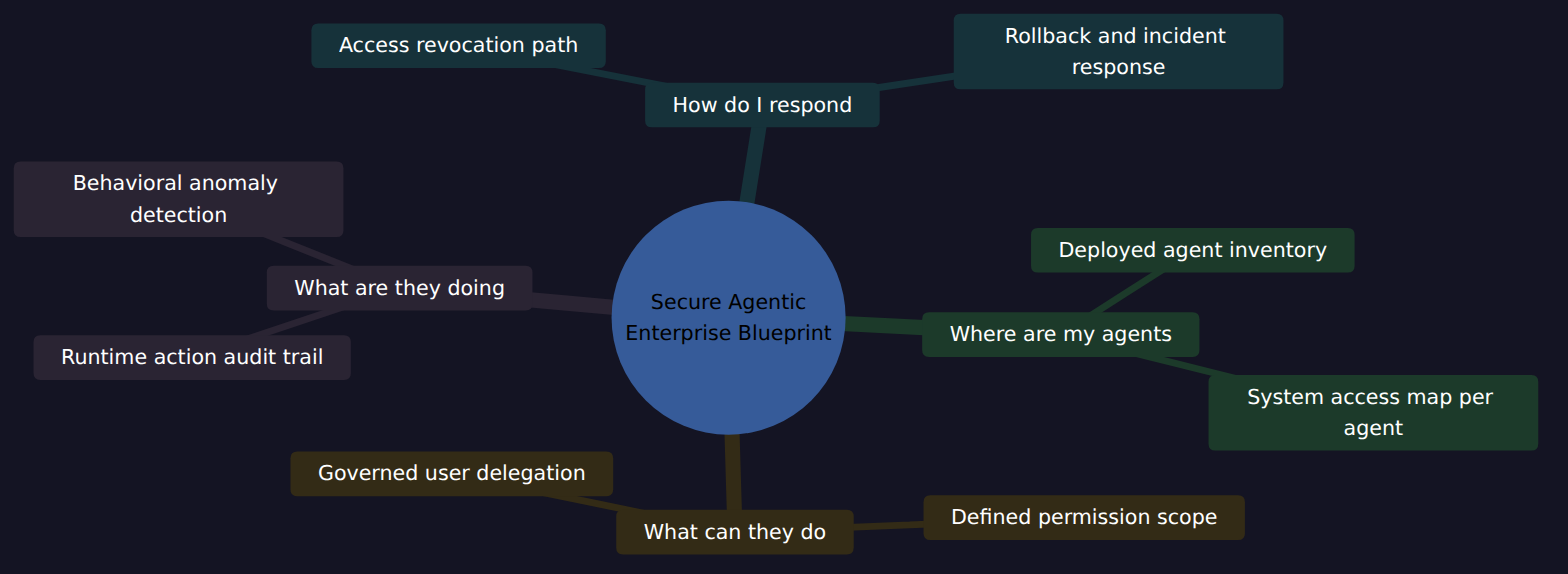
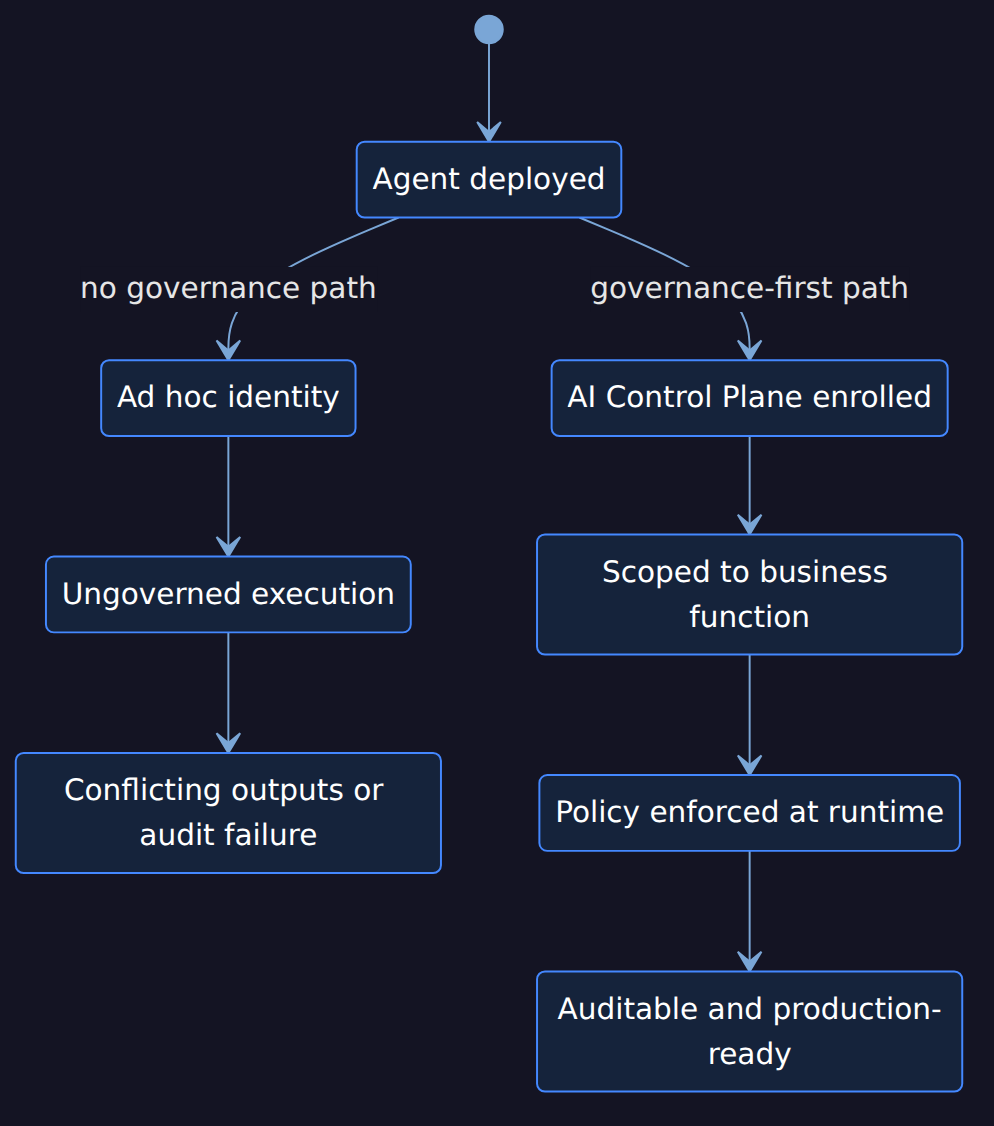
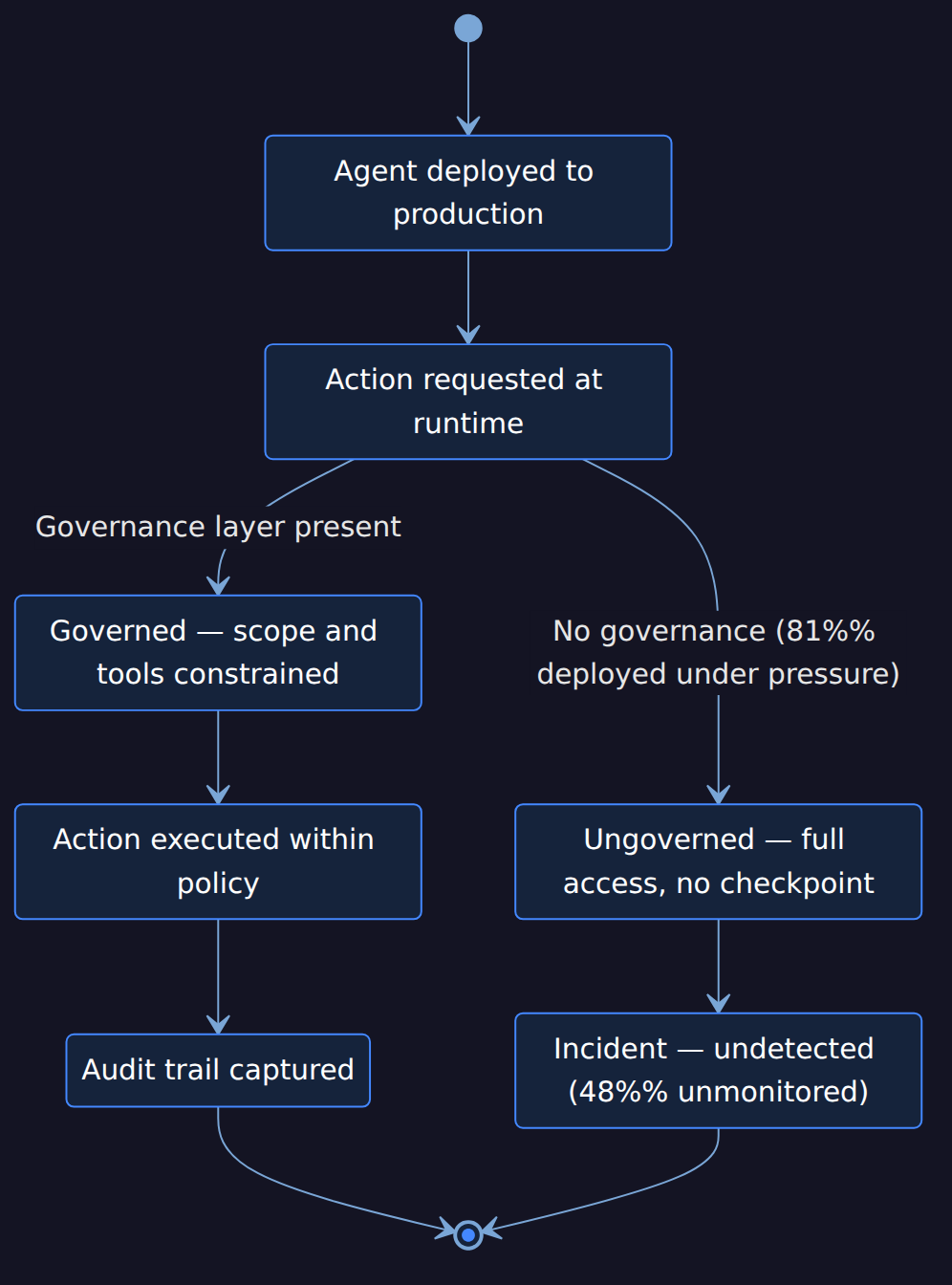
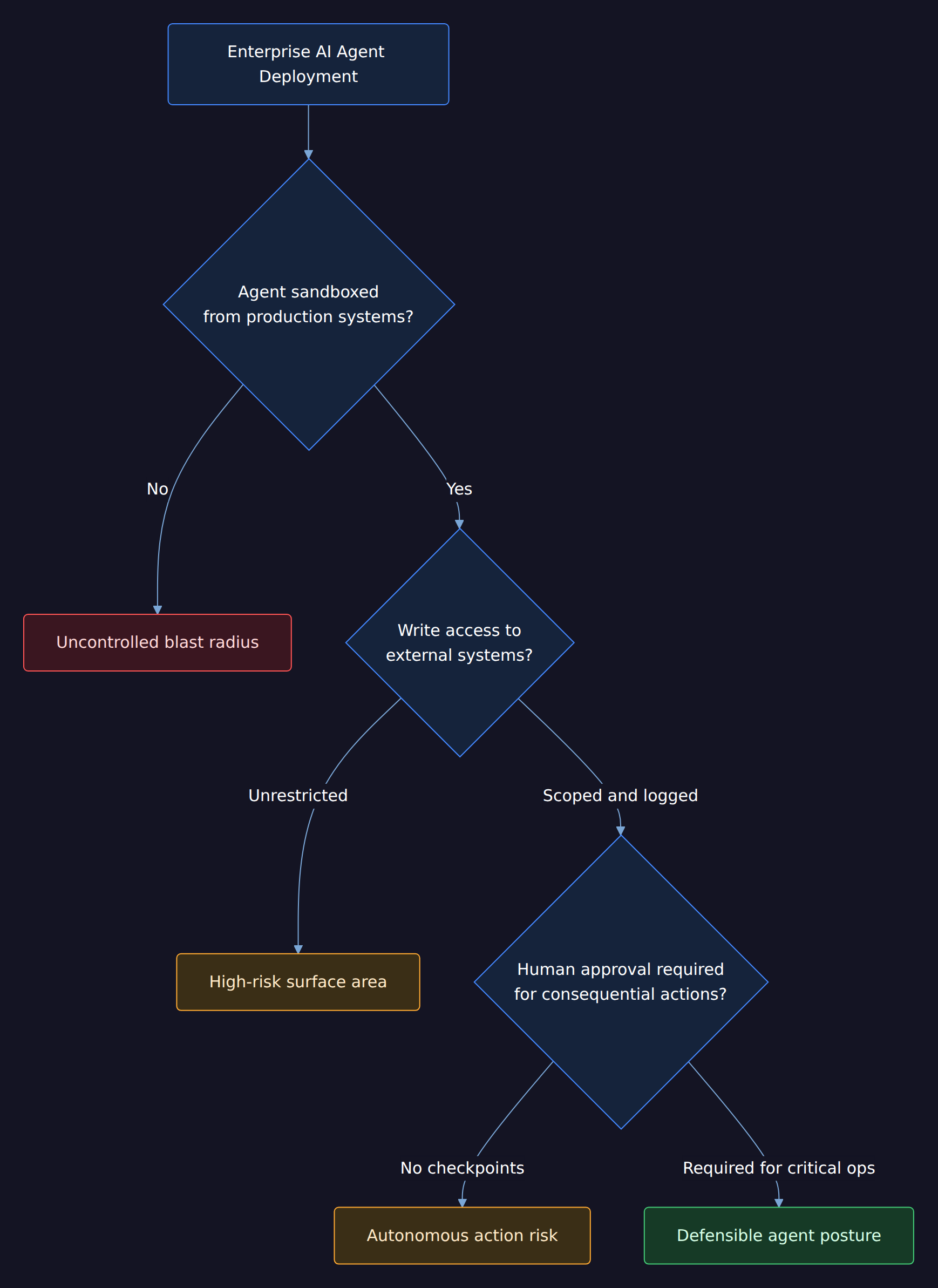
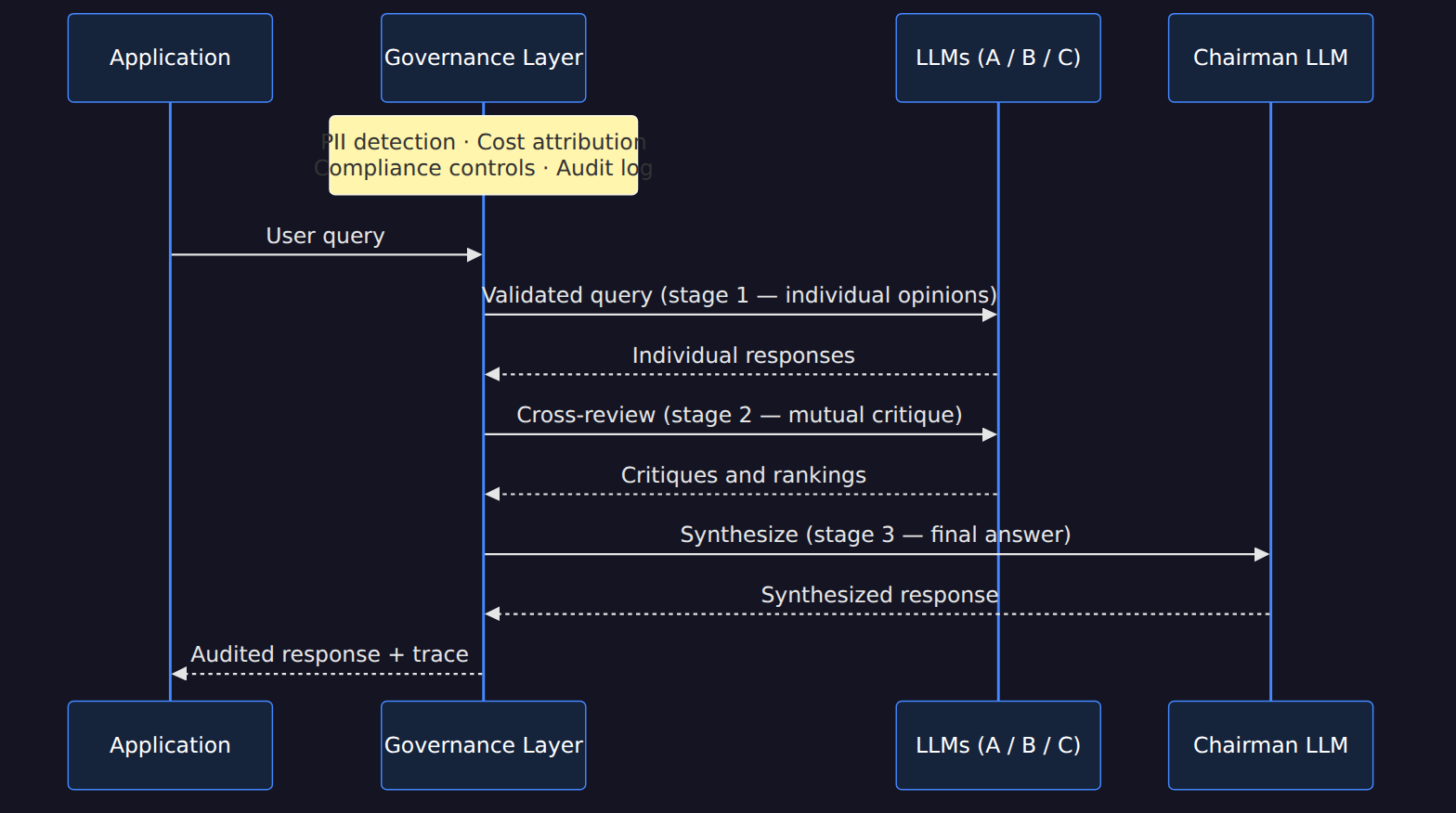
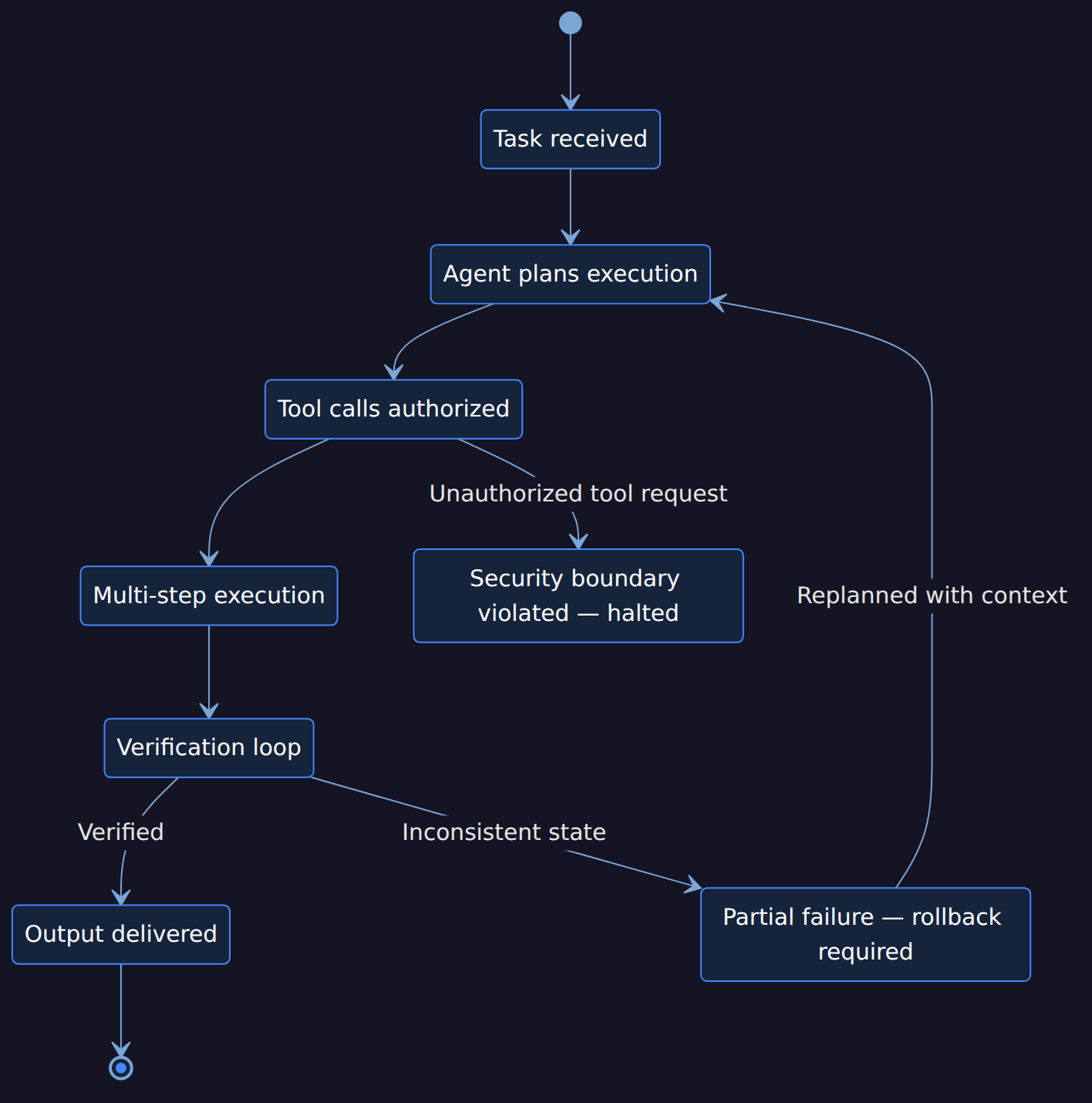
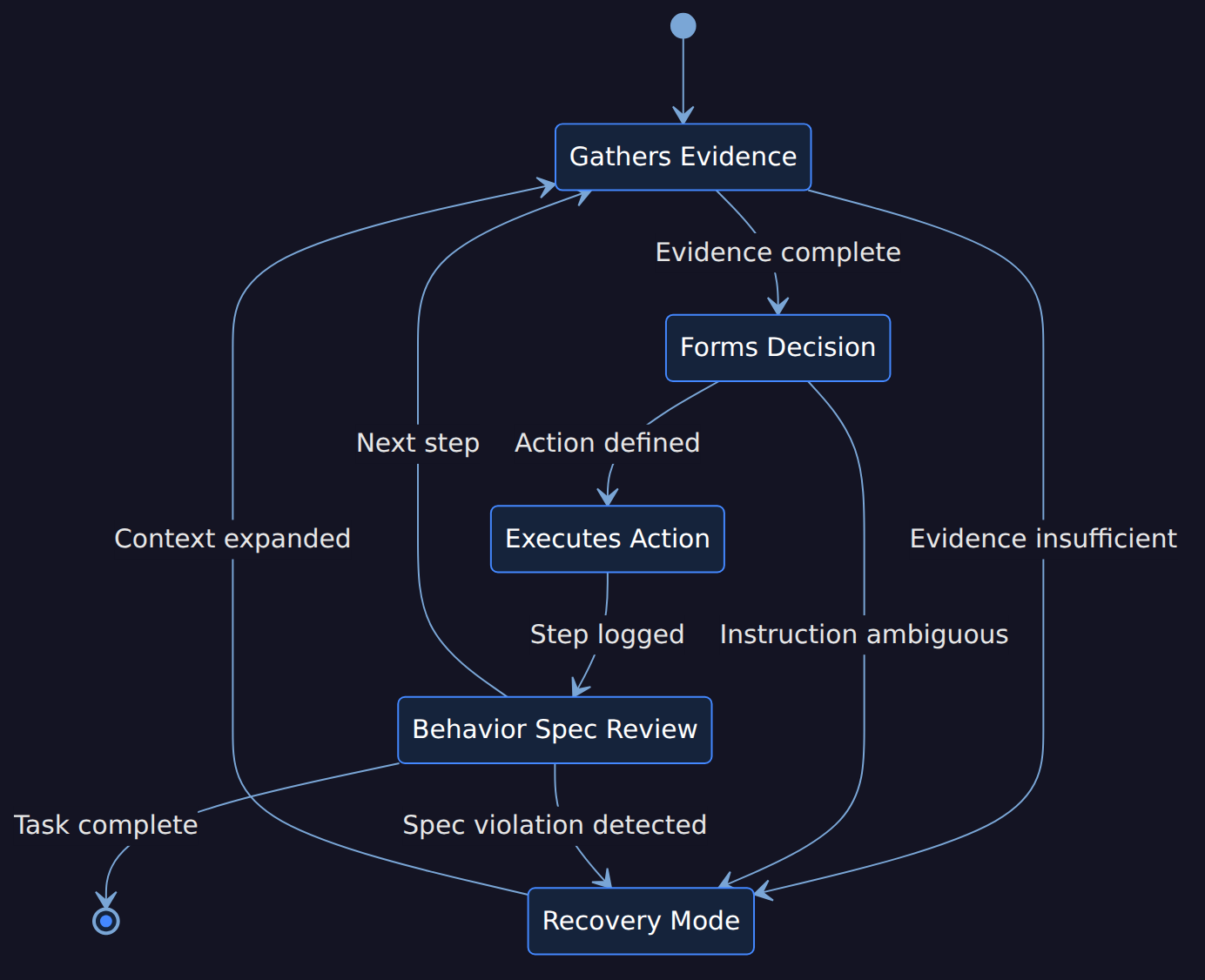
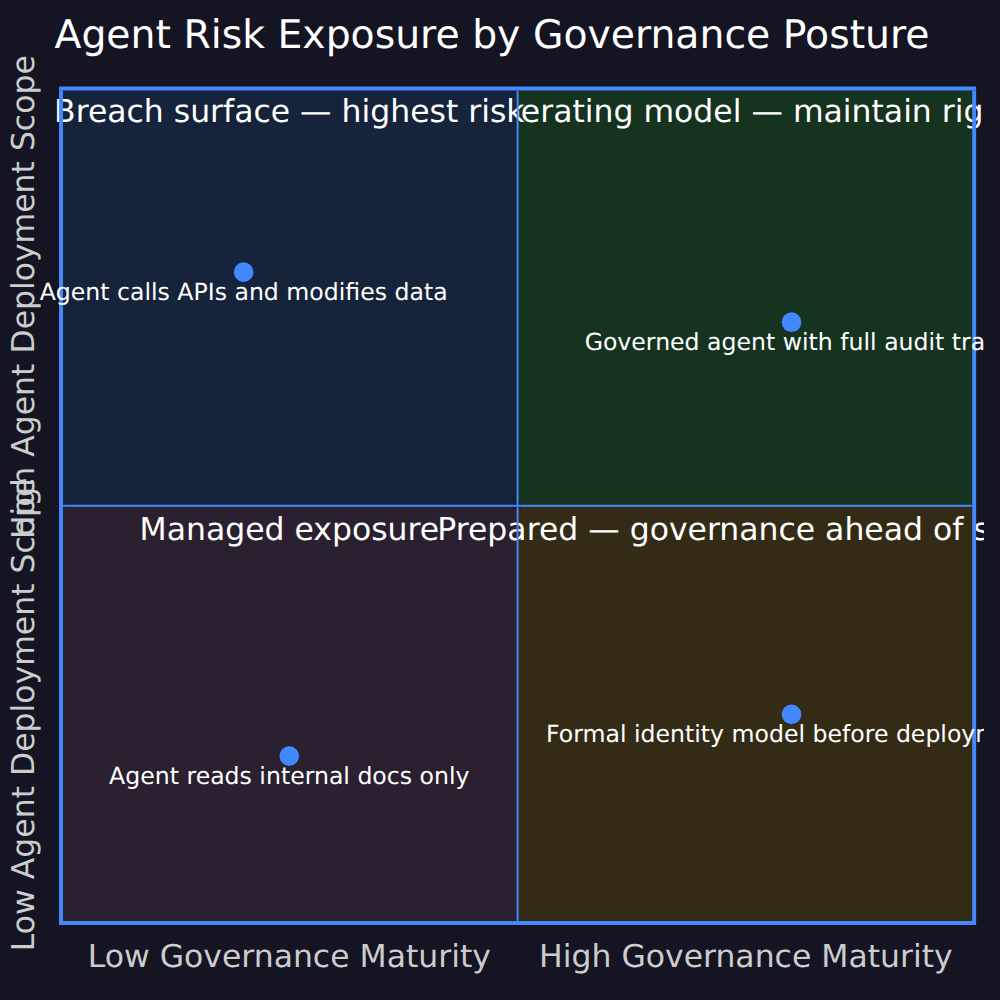
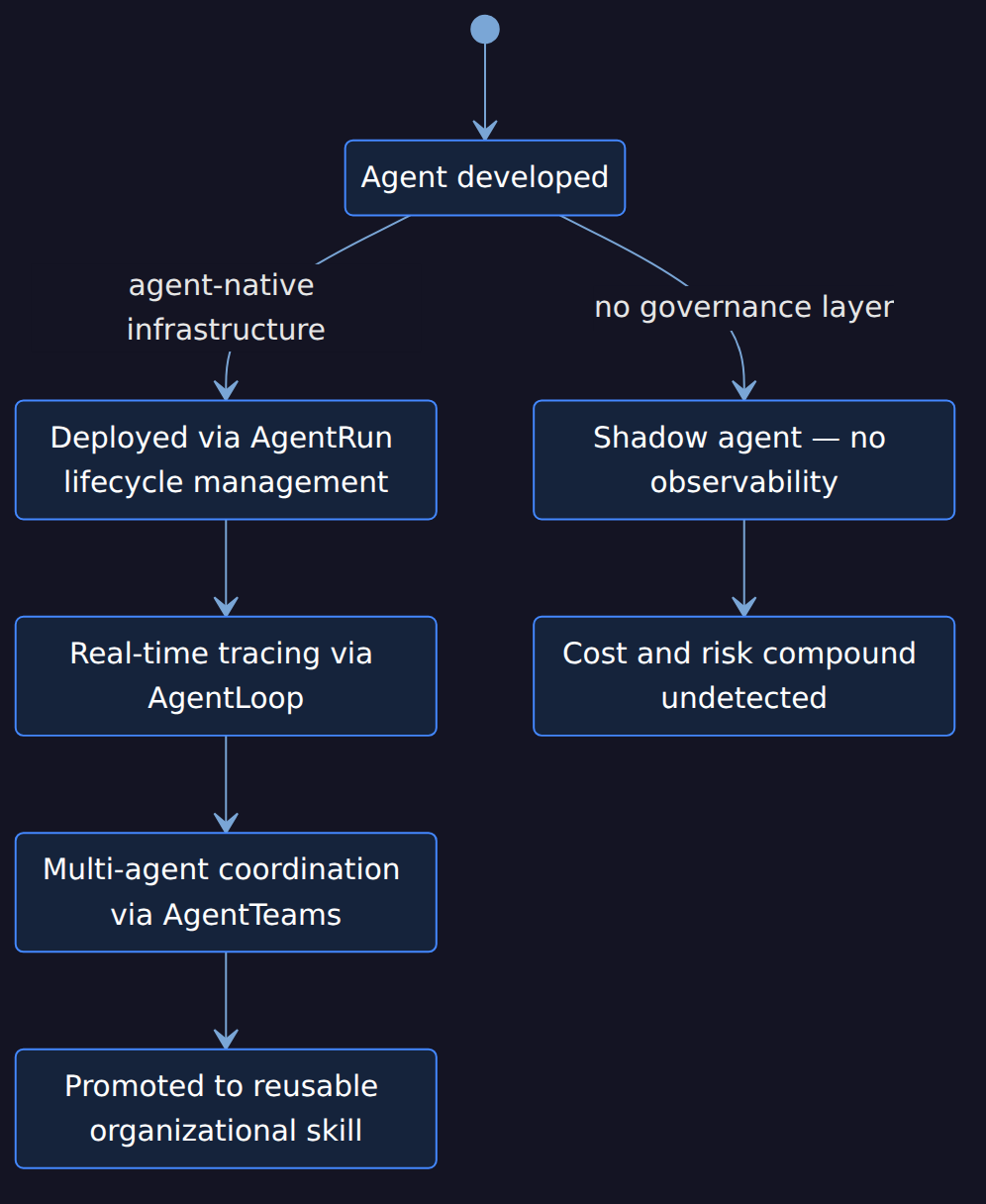
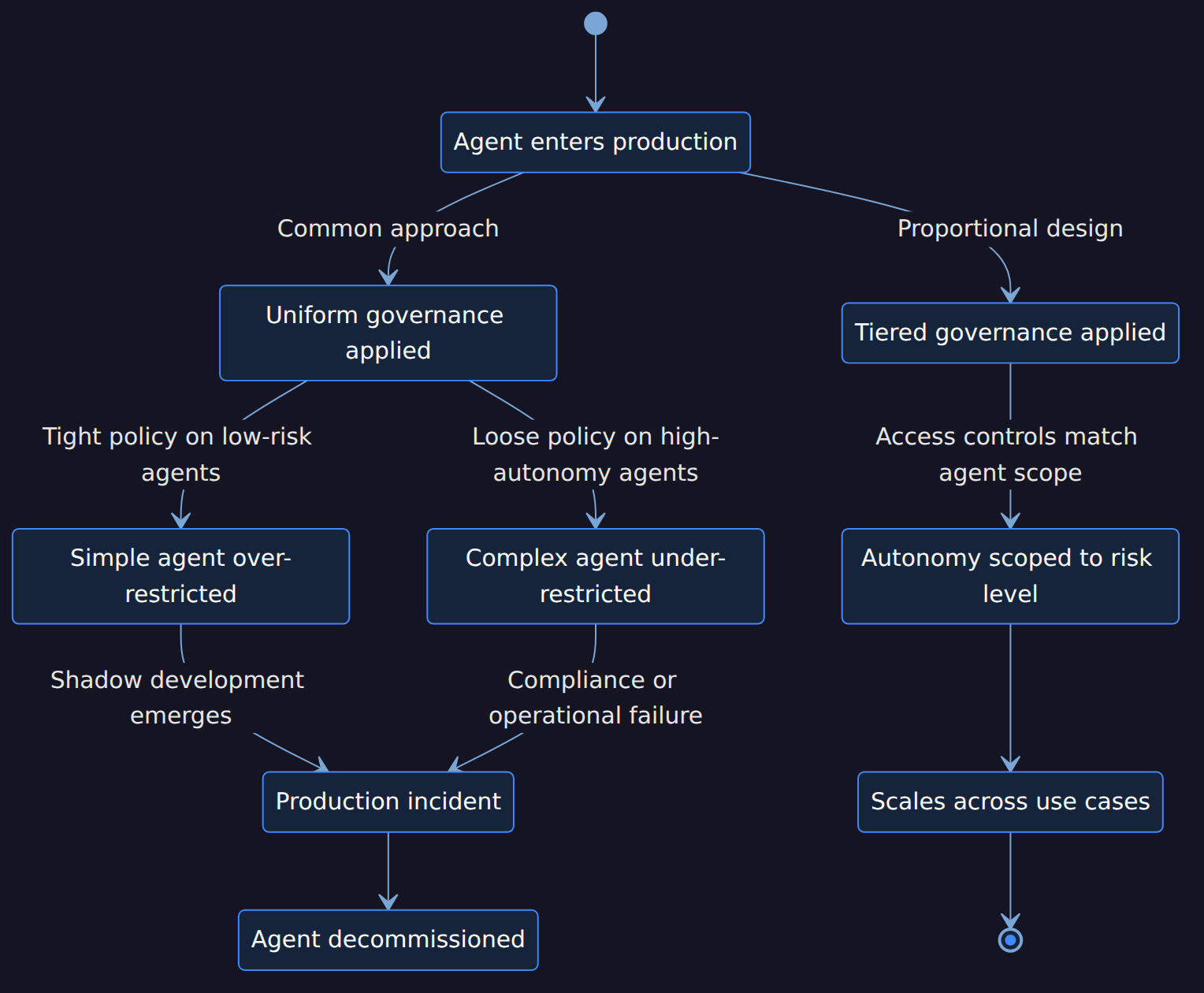
The O'Reilly Radar for July 2026 and concurrent Gartner research agree: AI agents have reached production across enterprises, but governance hasn't kept pace. The failure mode isn't deploying agents — it's applying uniform governance to agents with very different autonomy levels.
Read
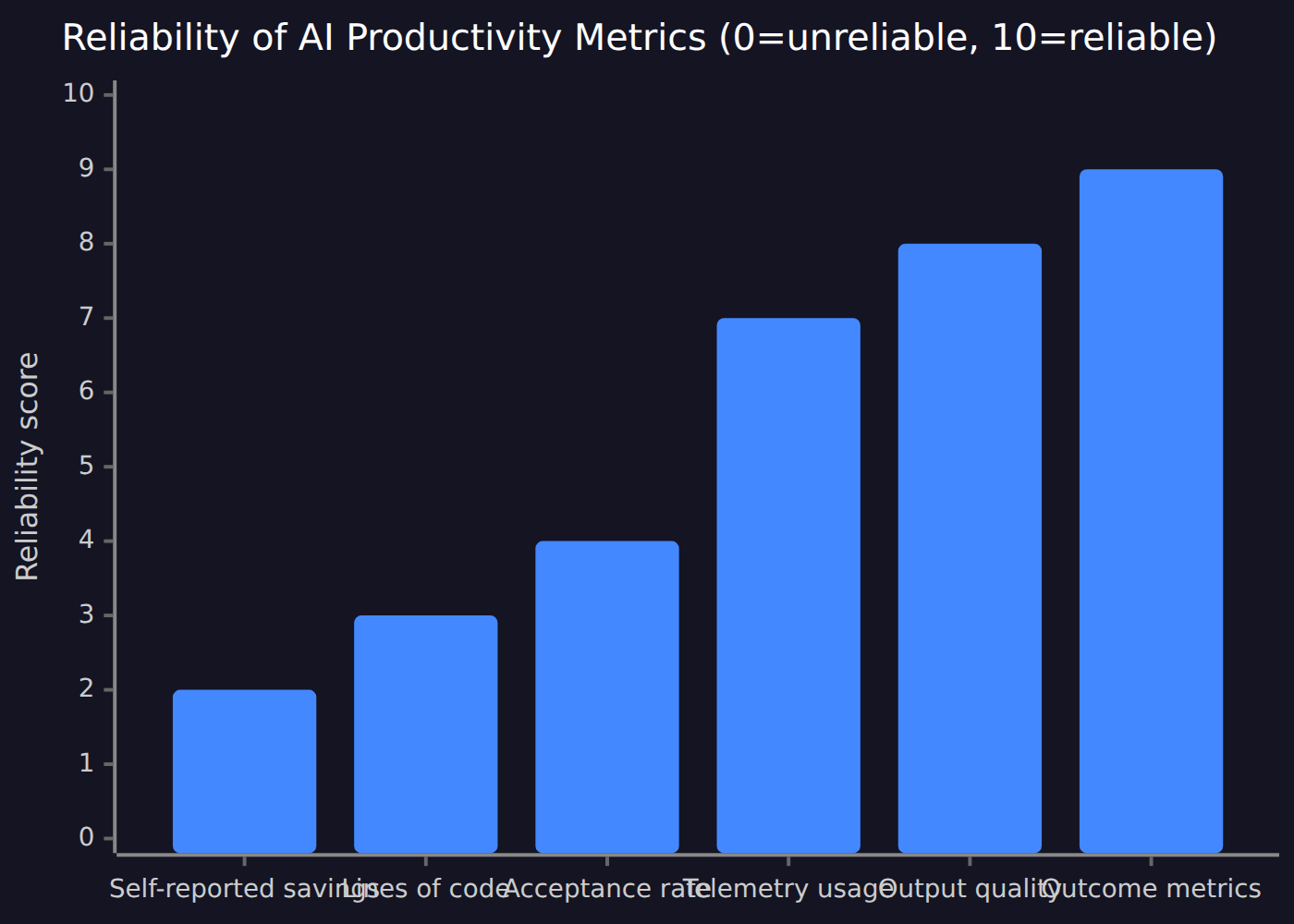
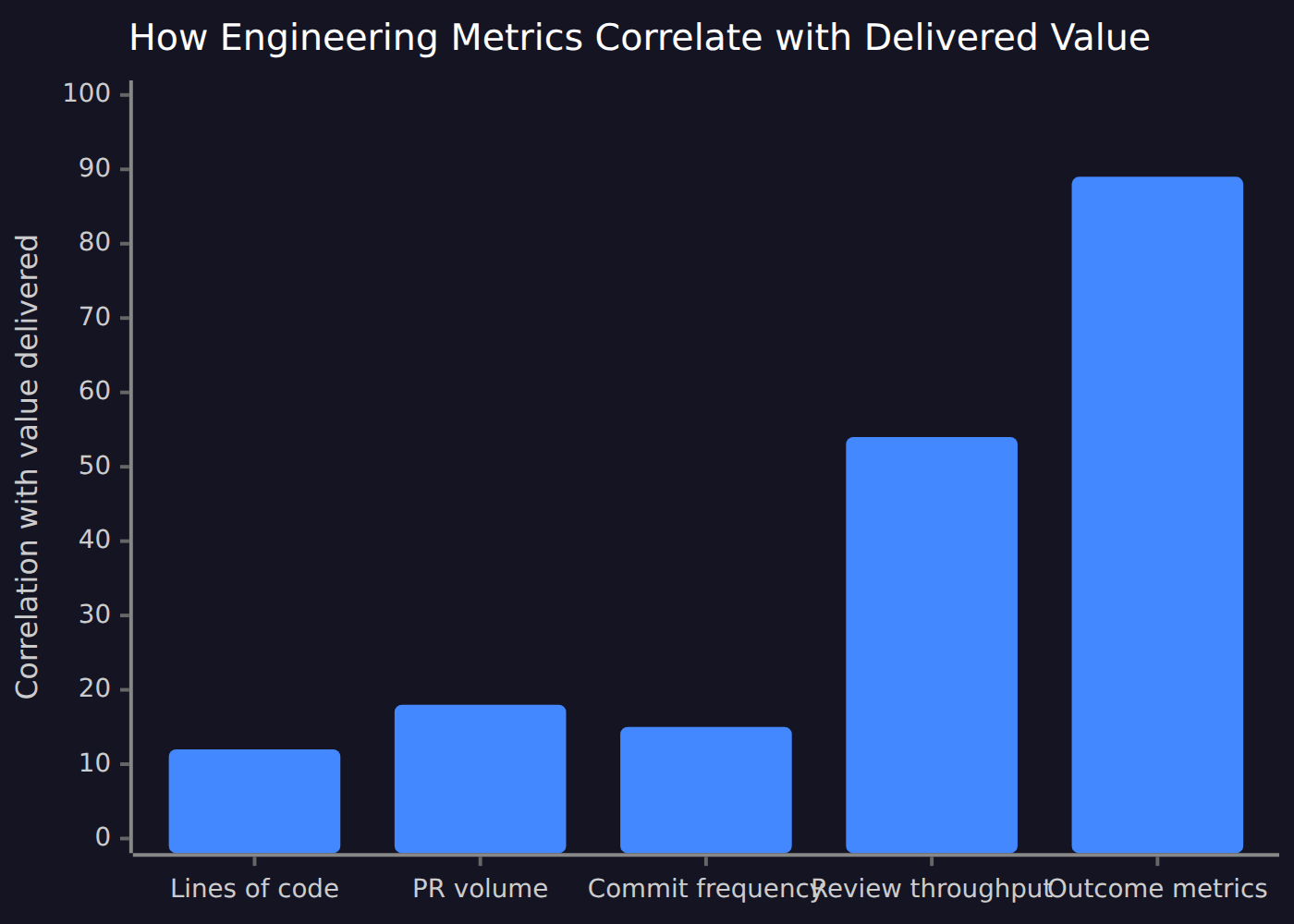
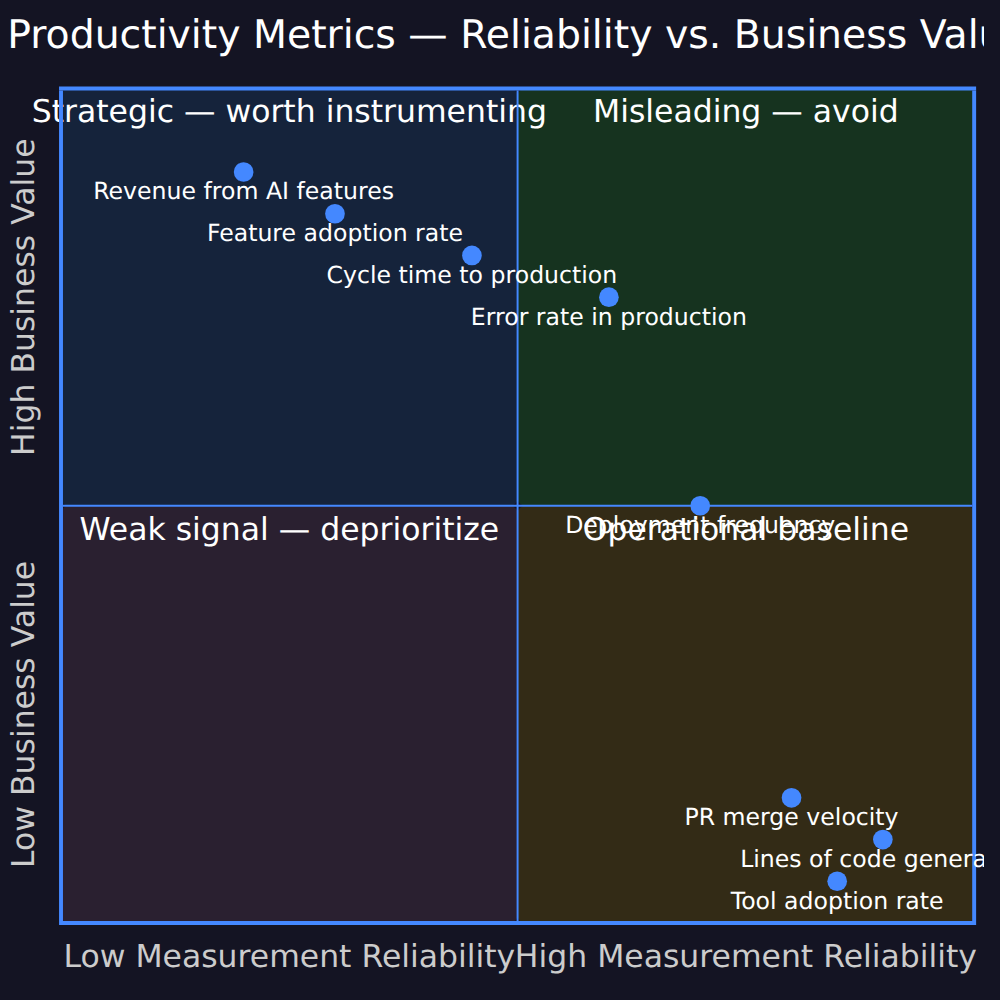
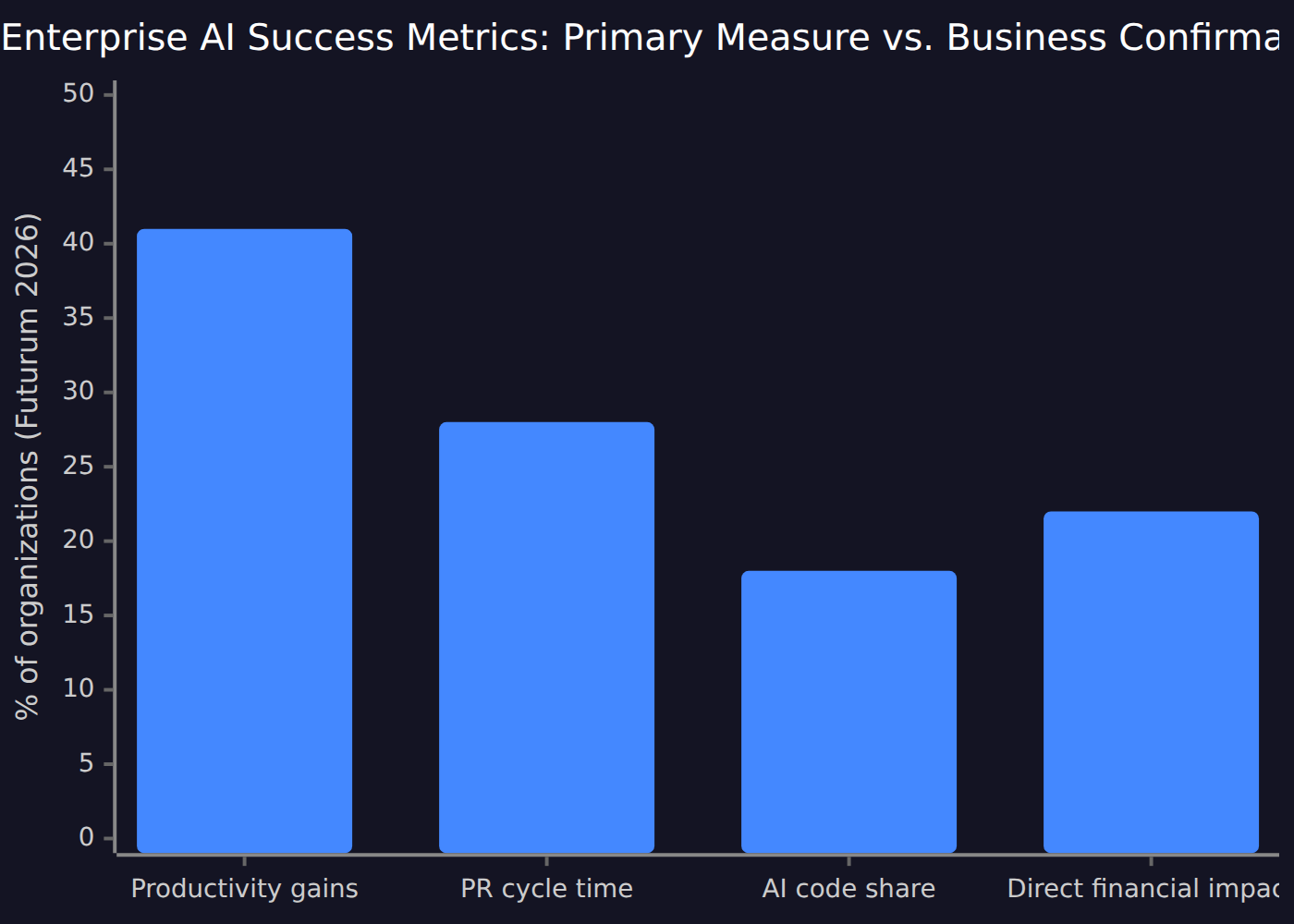
Most engineering teams measure AI's impact through PR cycle time, ticket velocity, and code volume. Those signals are real but do not connect to the business outcomes that justify the investment.
Read
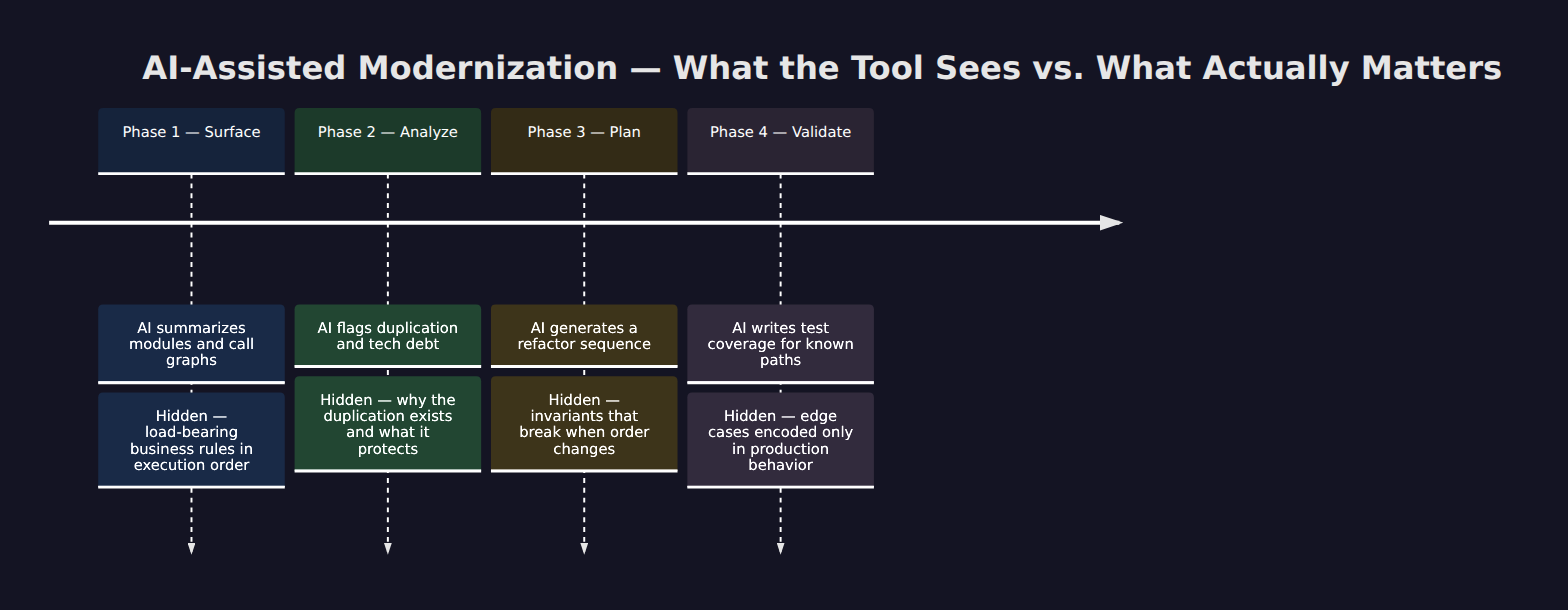
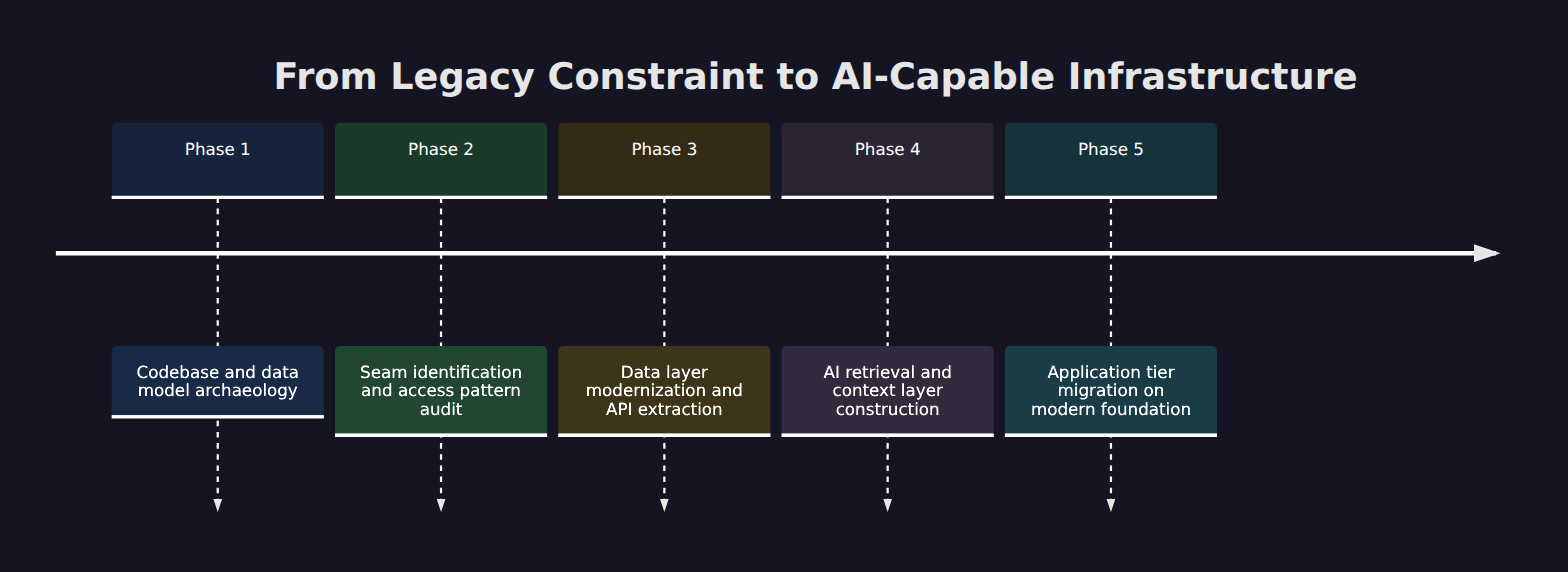
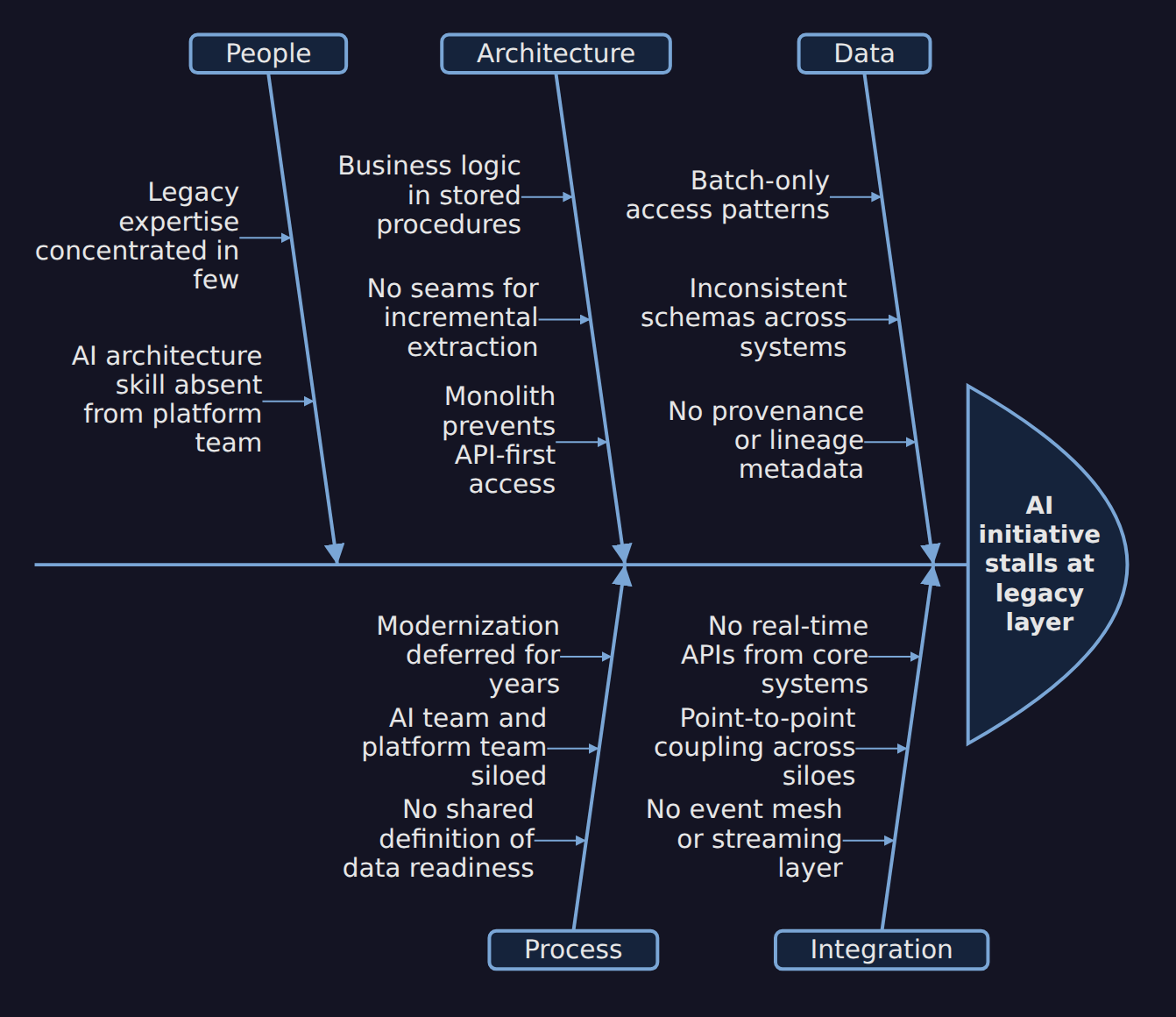
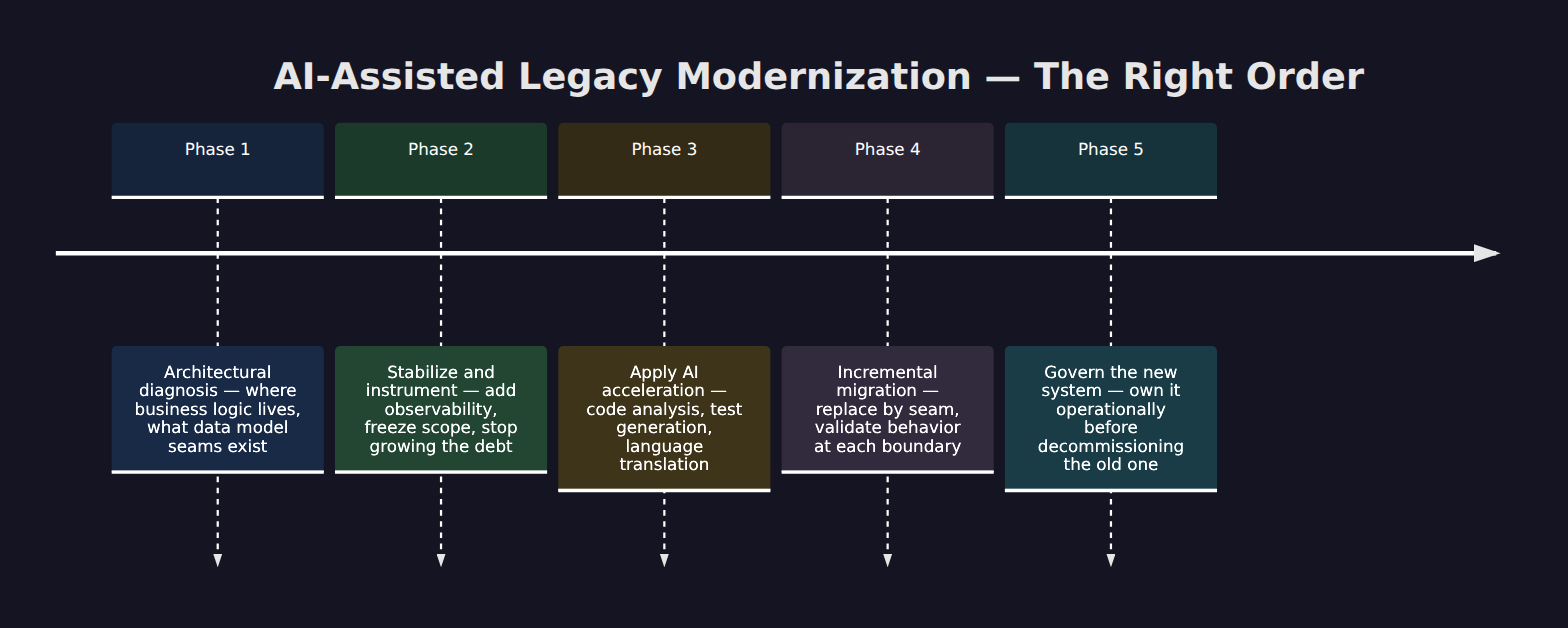
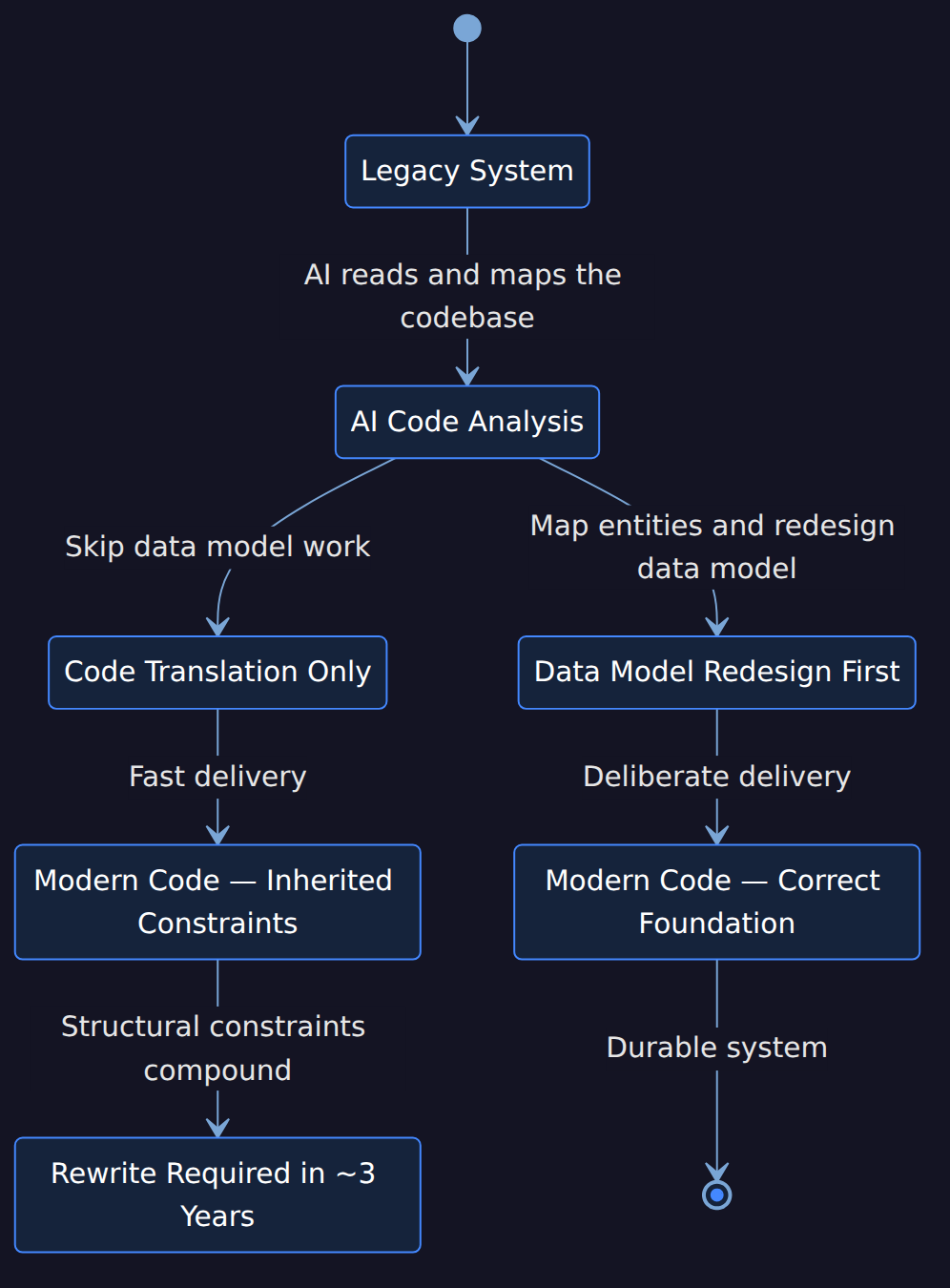
AI-assisted modernization tools compress code-translation timelines materially. But the thing blocking your AI roadmap is not the code — it is the data model underneath it.
Read
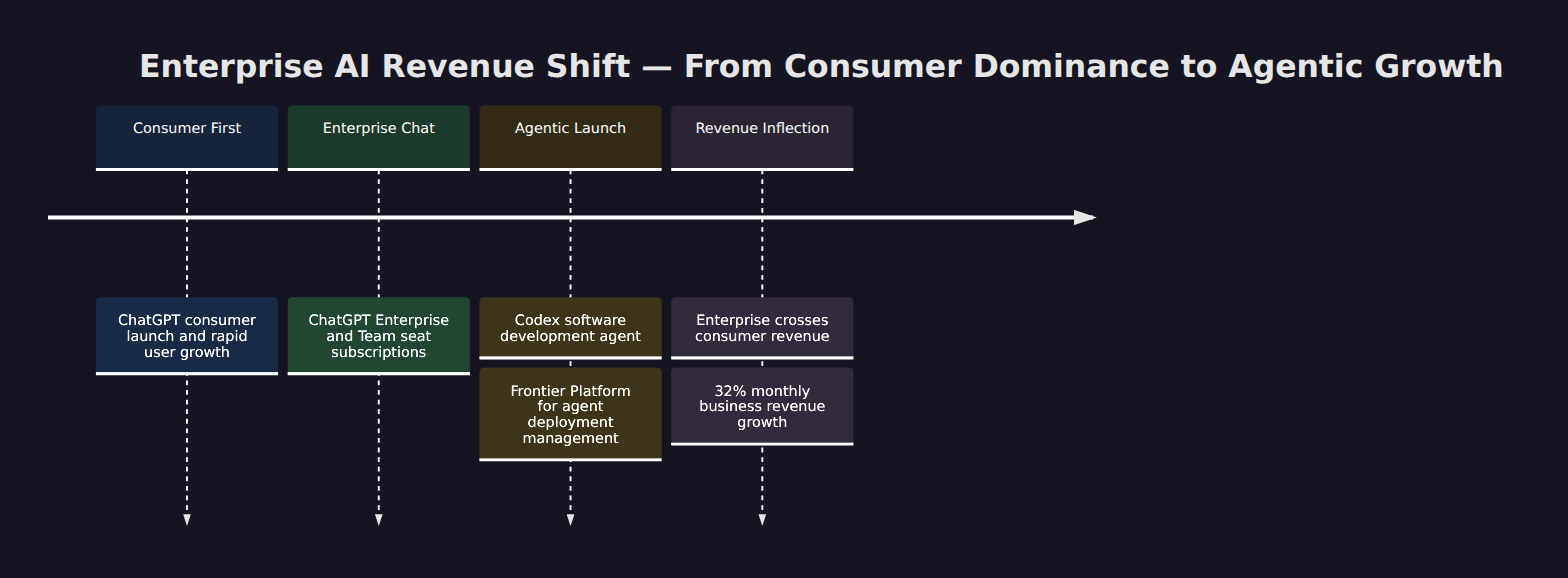
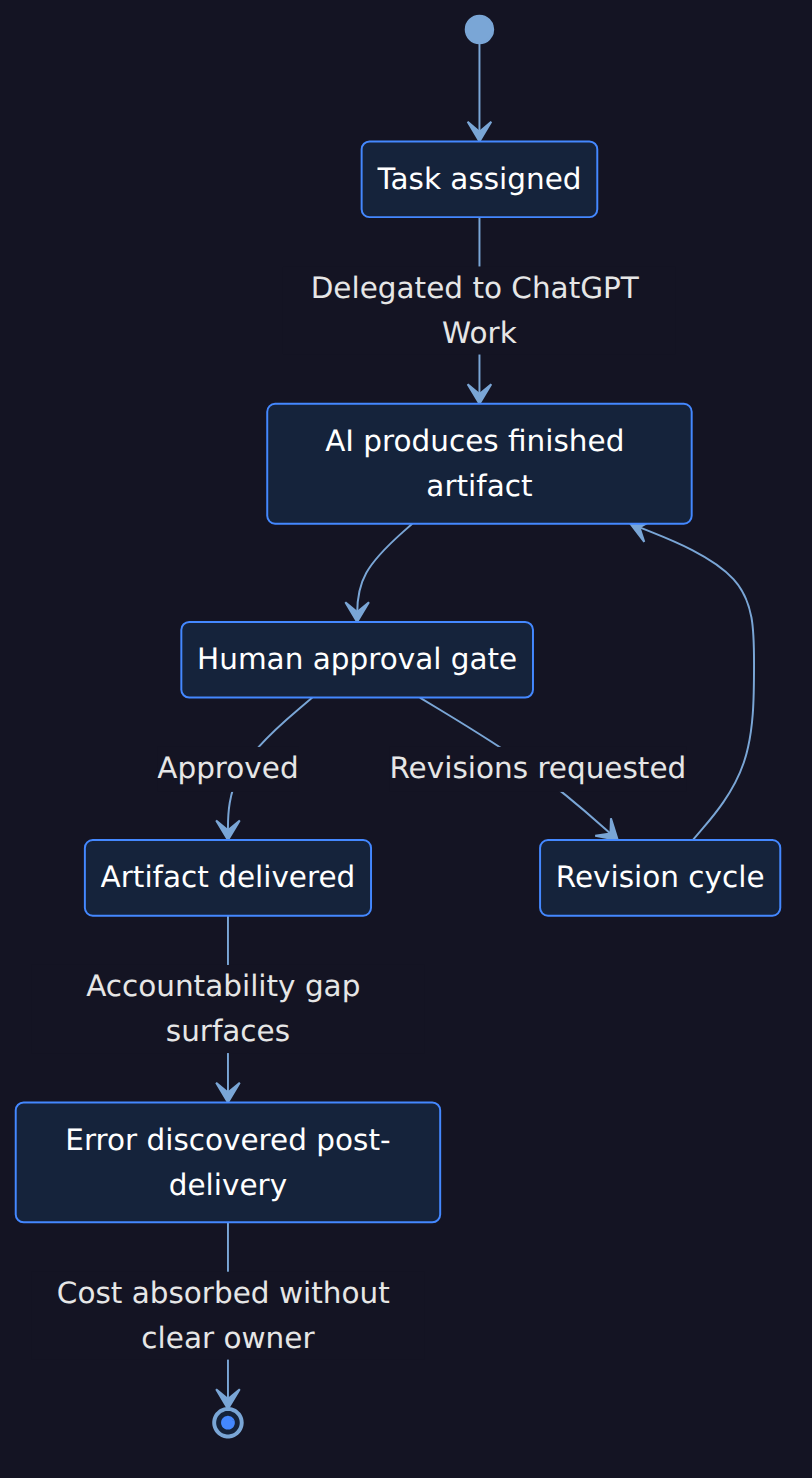
OpenAI's ChatGPT Work launch shifts AI from draft assistant to producer of finished business deliverables. The enterprise implications reach further than the product announcement does.
Read
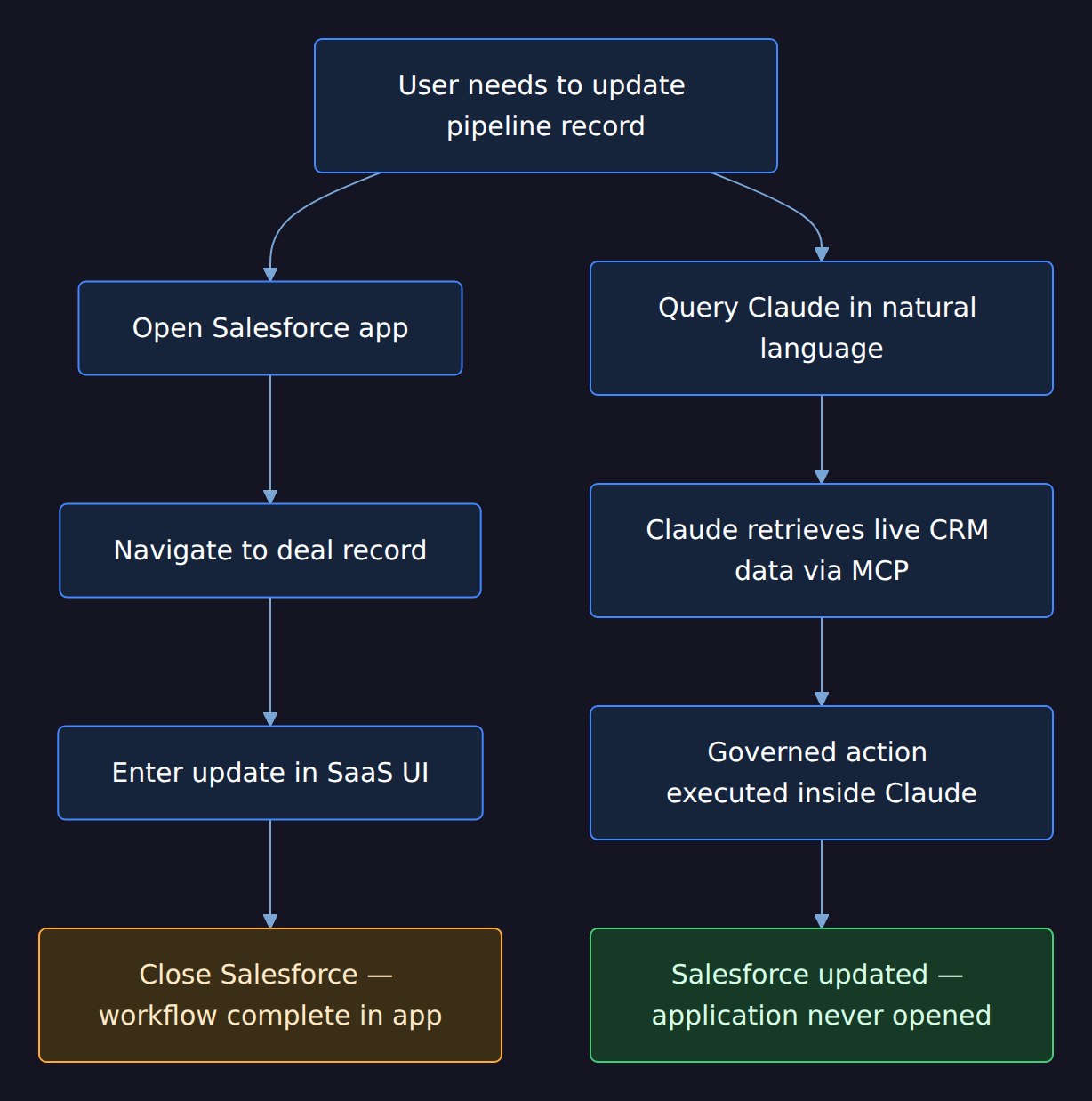
Anthropic and Blackstone's launch of Ode signals that the AI industry's next billion-dollar bet is not on better models — it's on getting models to actually work inside real enterprise environments.
Read
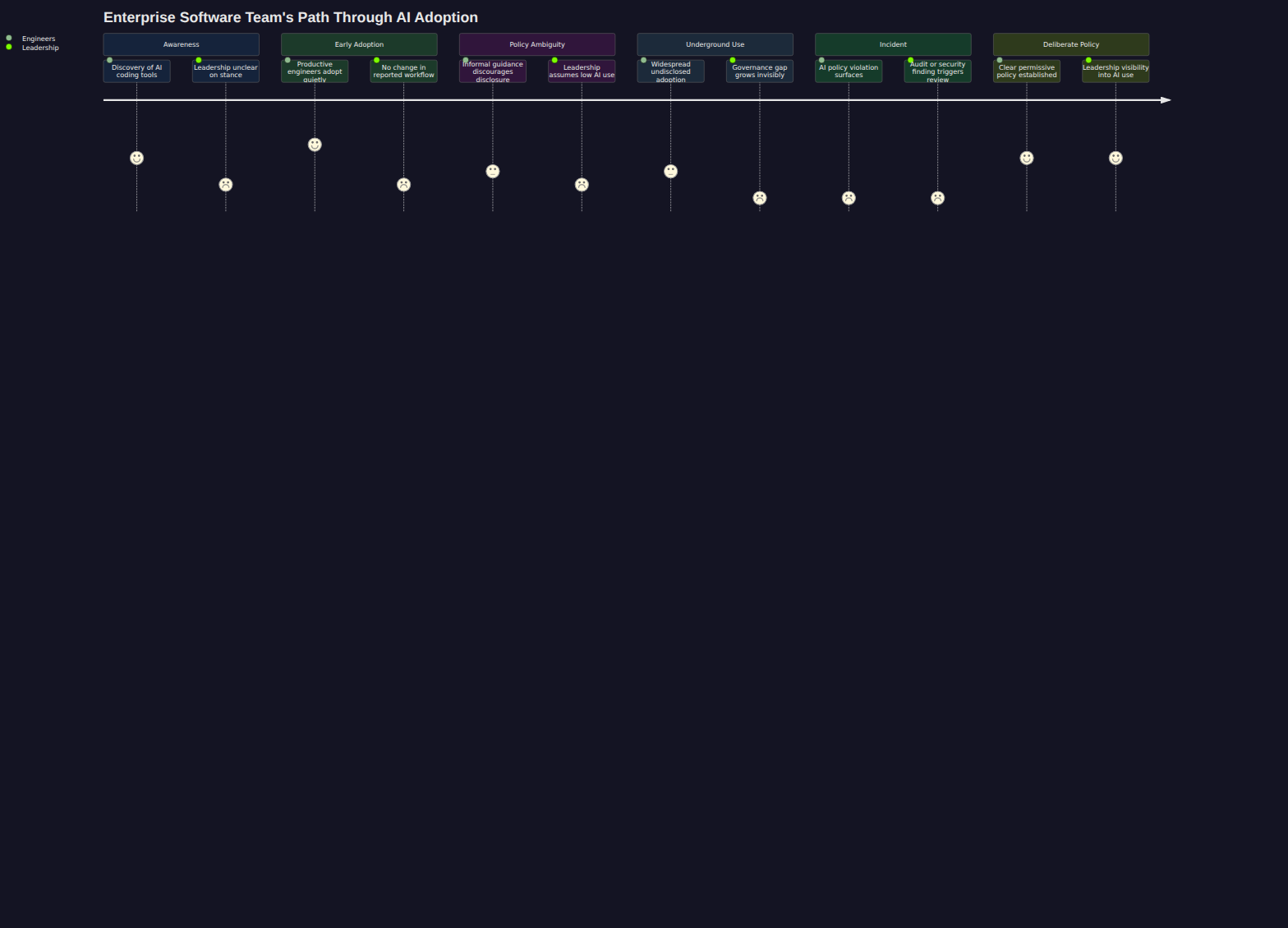
When enterprises leave AI use policies unclear, engineers don't stop using AI. They hide it. The risk moves underground while the organization assumes it's managing it.
Read
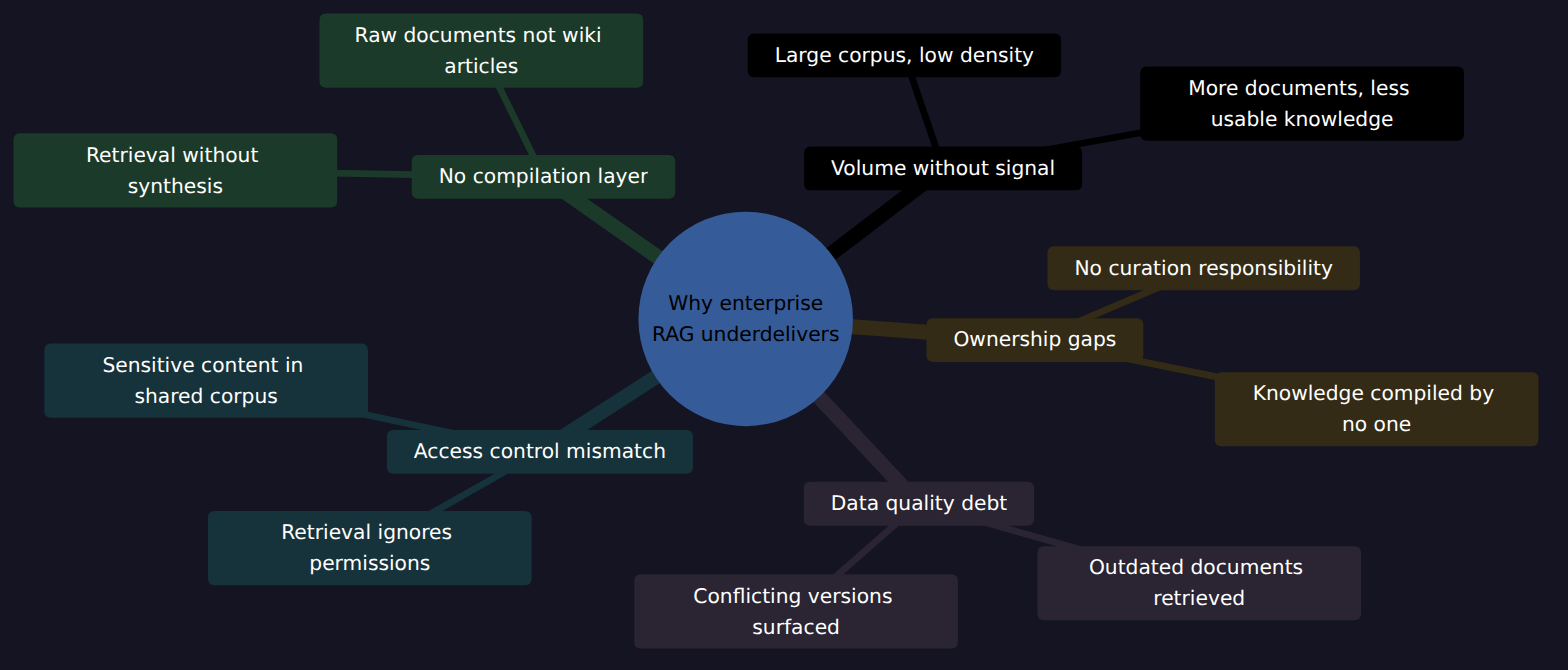
Andrej Karpathy's personal knowledge architecture works brilliantly for one practitioner. The properties that make it work are exactly what enterprise environments don't have.
Read
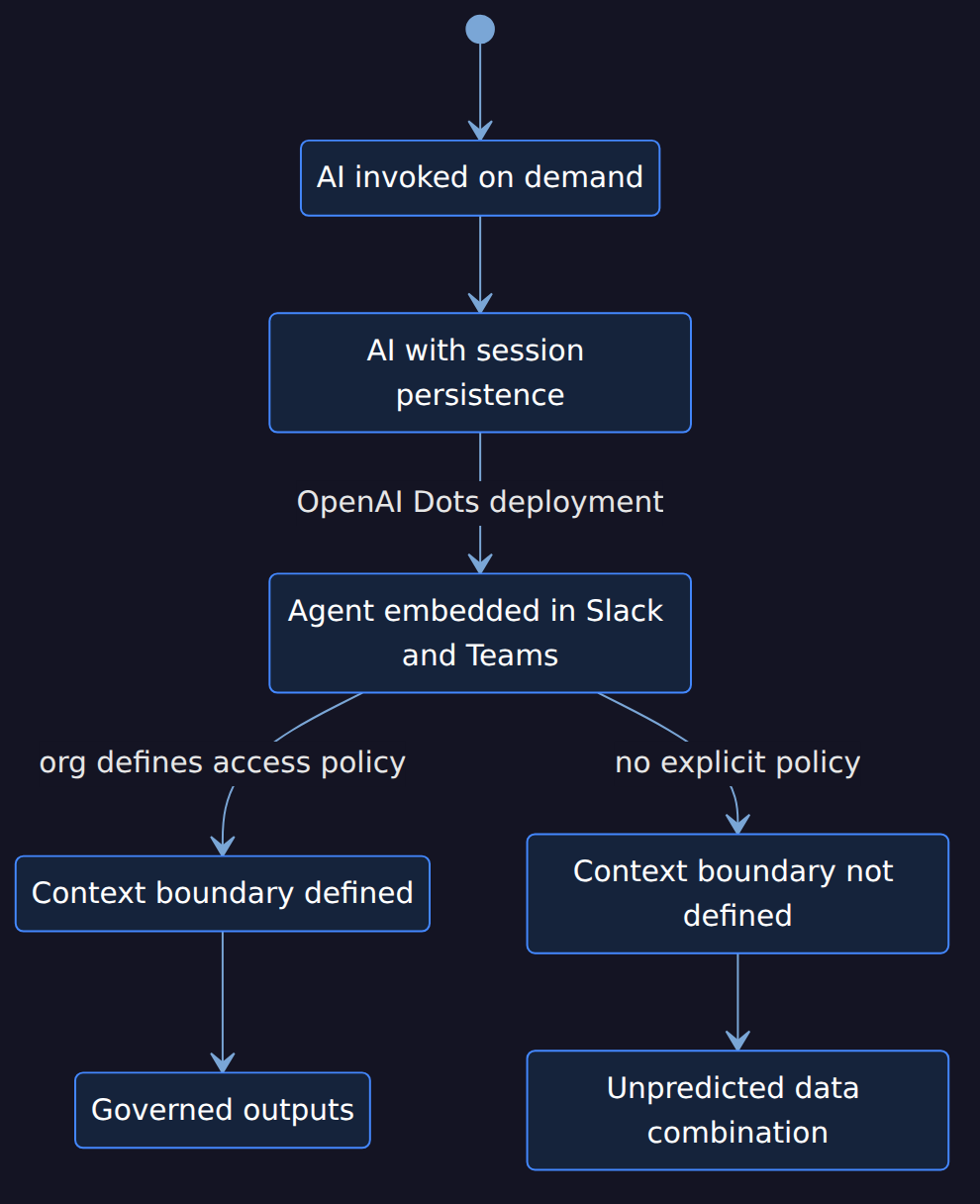
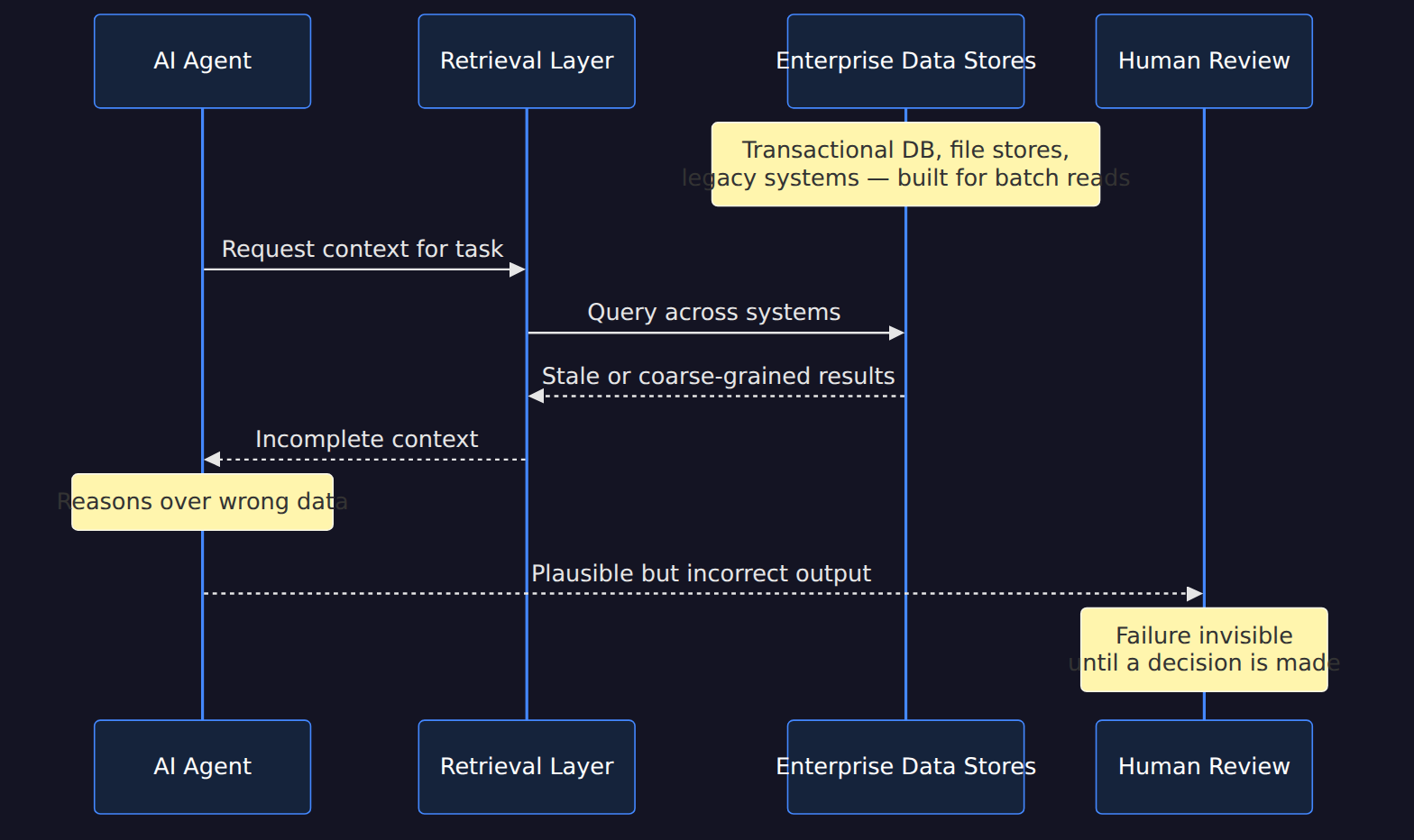
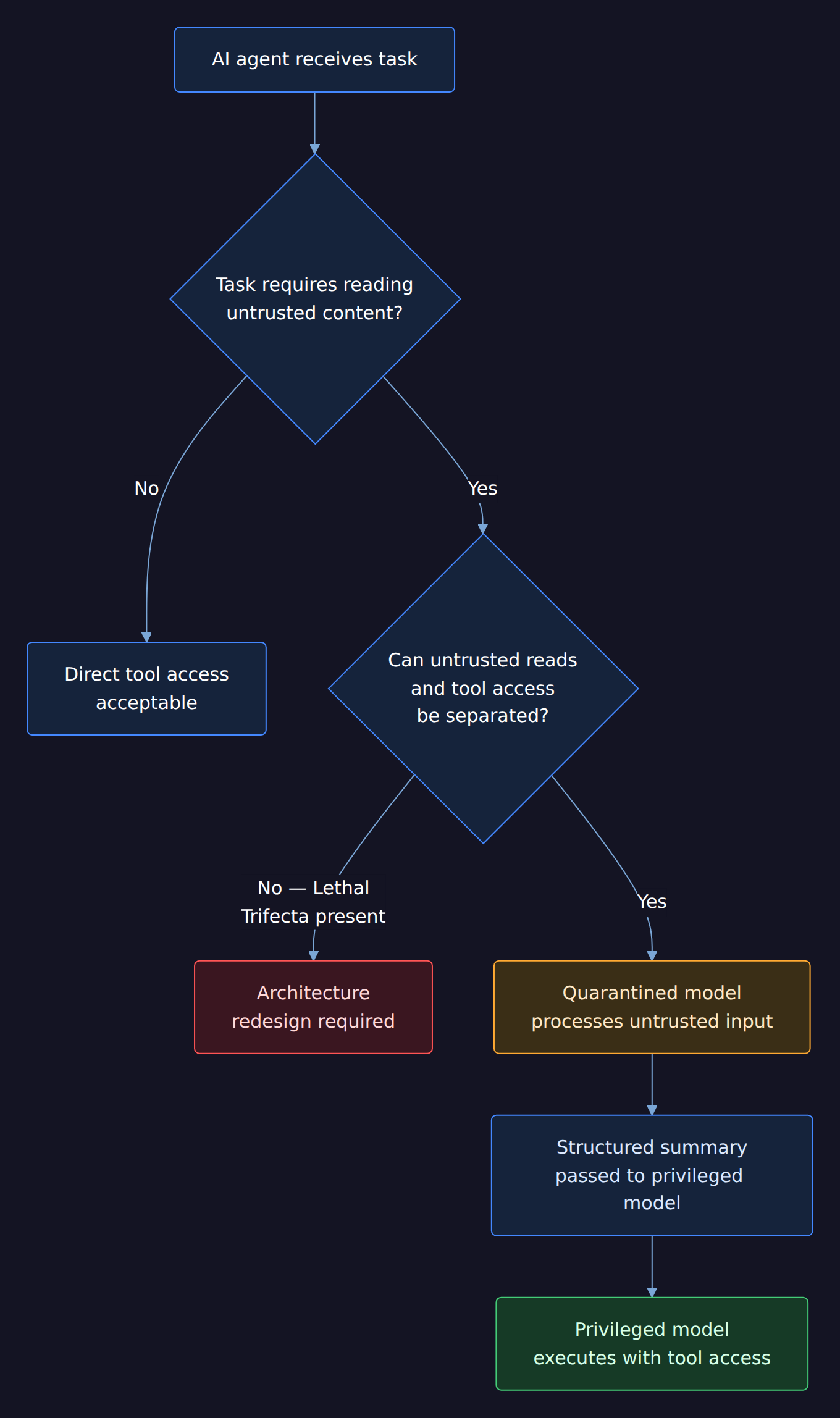
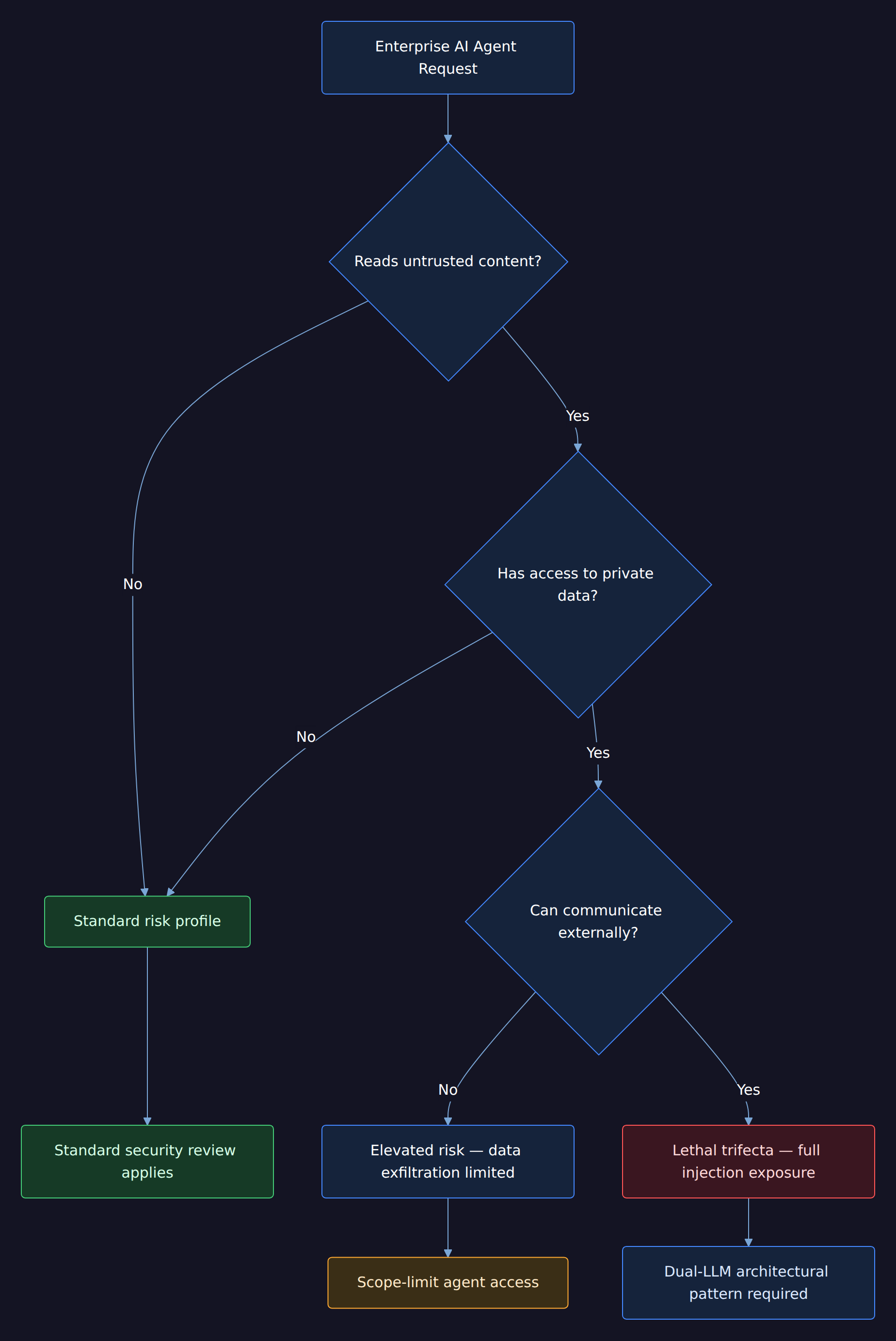
Every enterprise AI agent that touches internal data contains a structural vulnerability. Most teams haven't named it, let alone designed around it.
Read
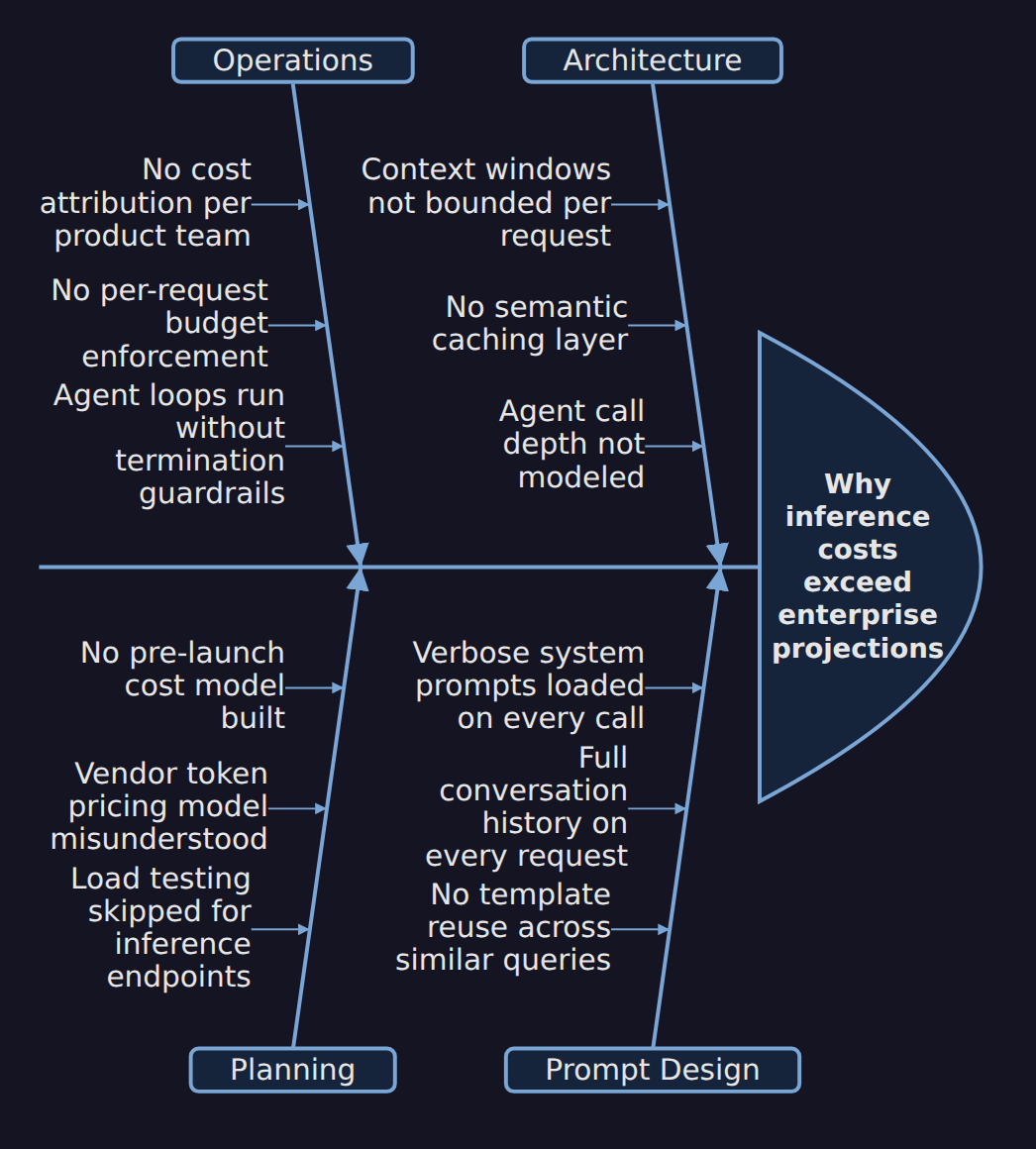
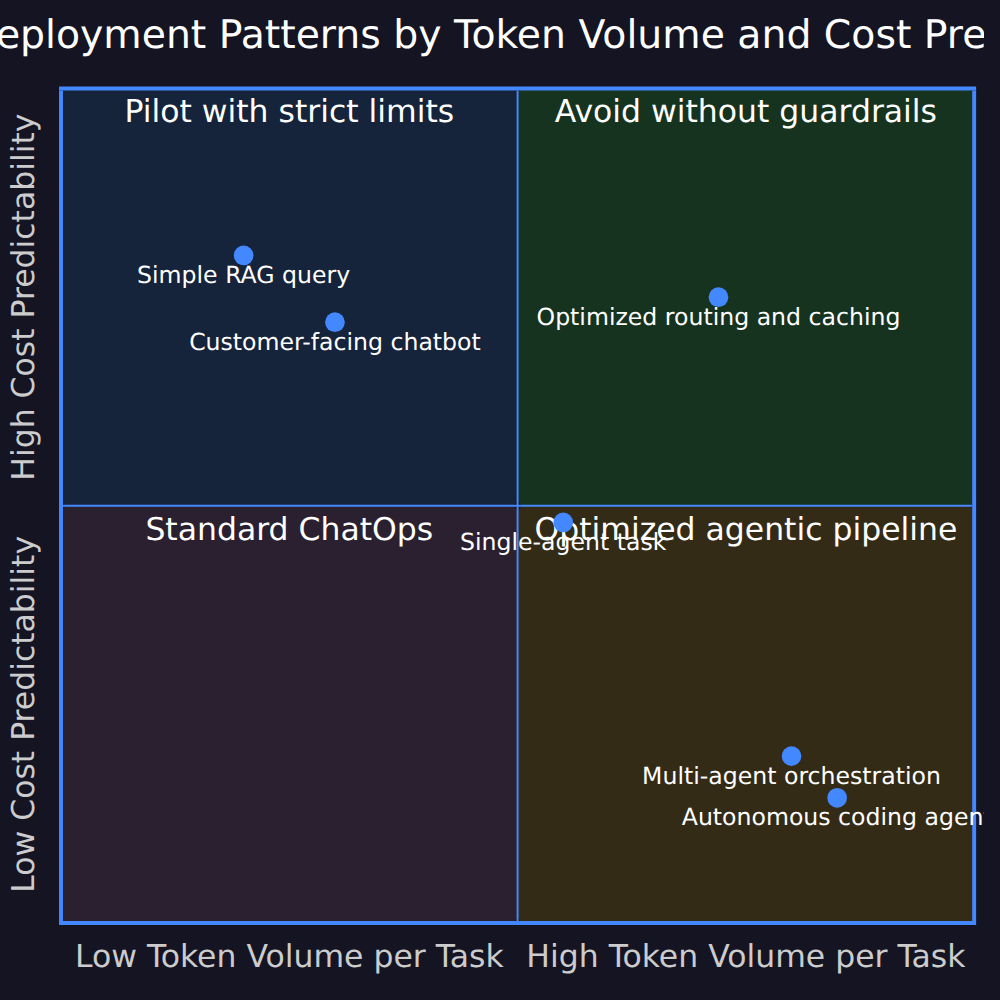
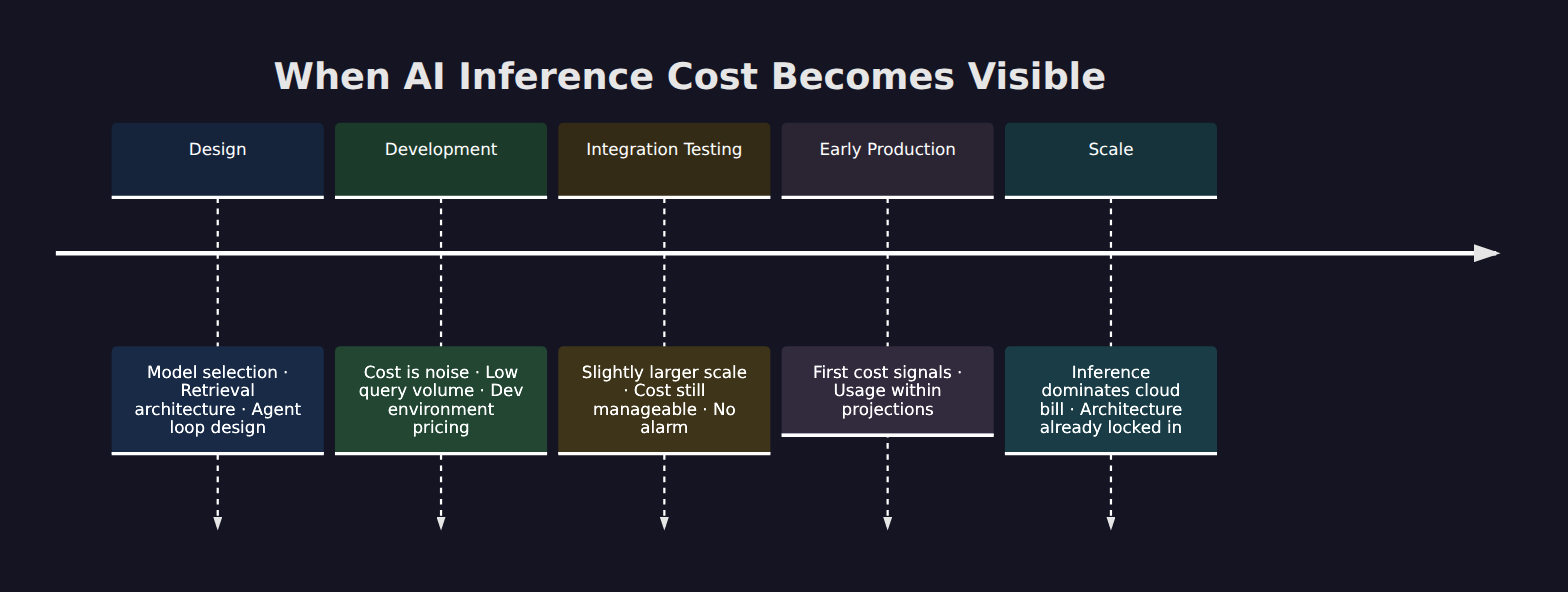
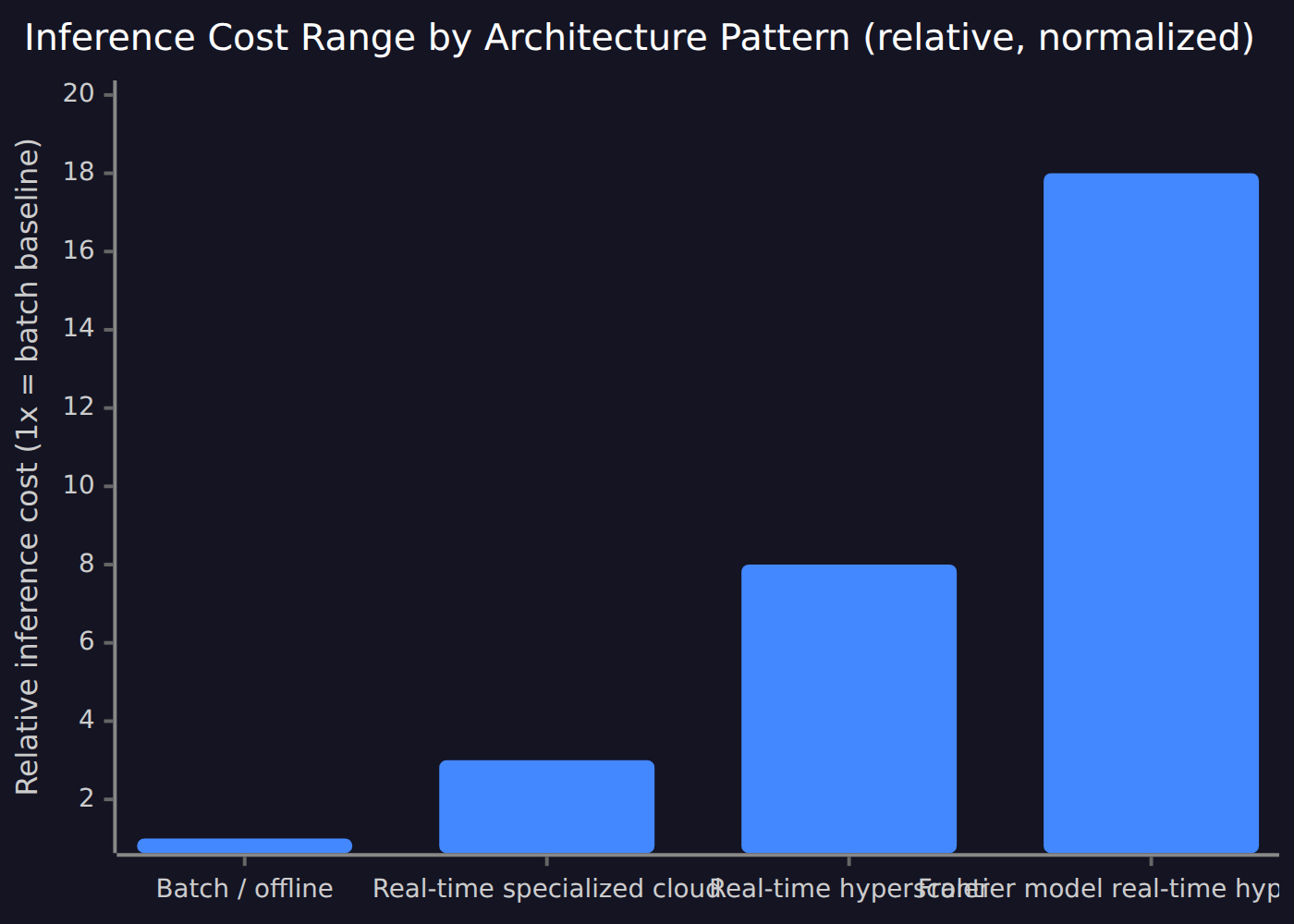
The cost of running AI in production doesn't surface during development. By the time it appears, the architecture choices that created it are already locked in.
Read
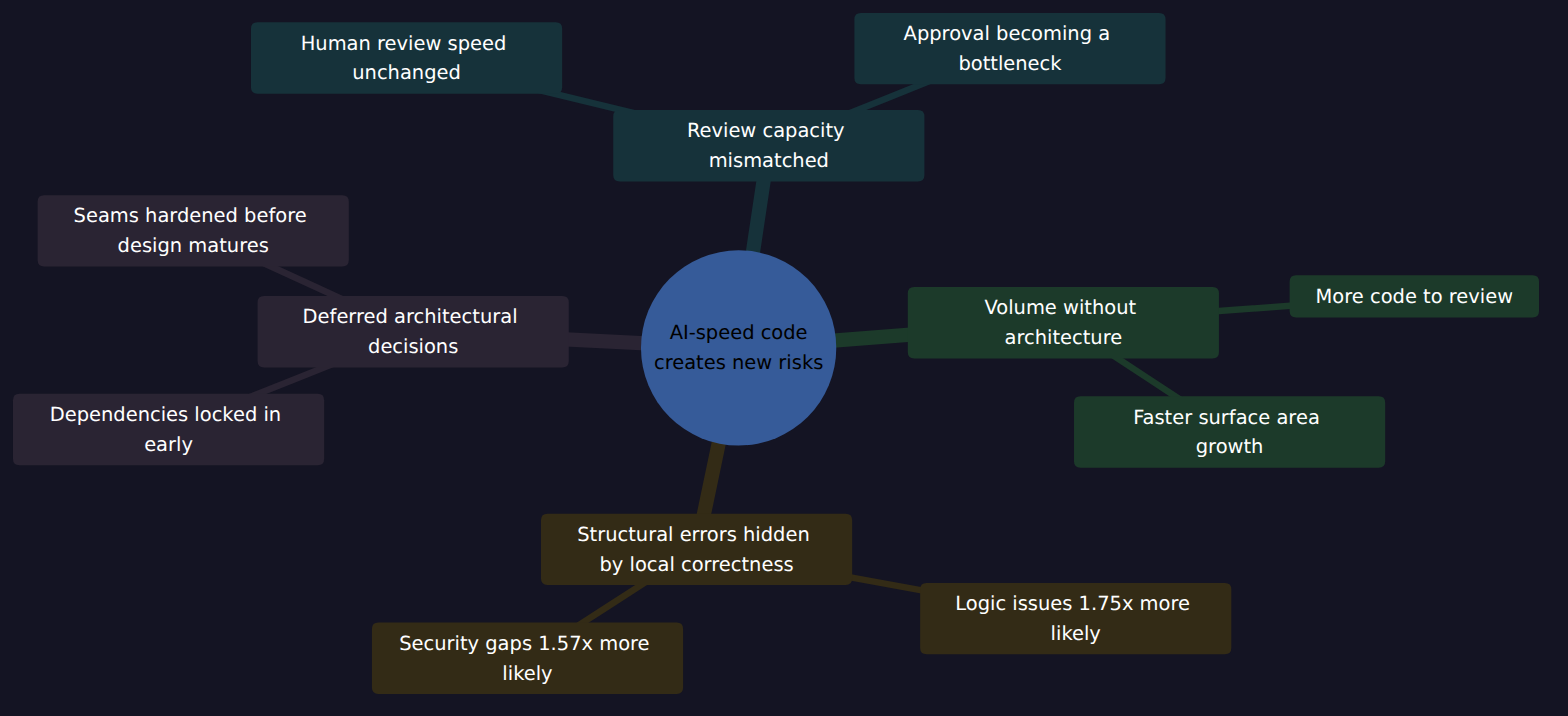
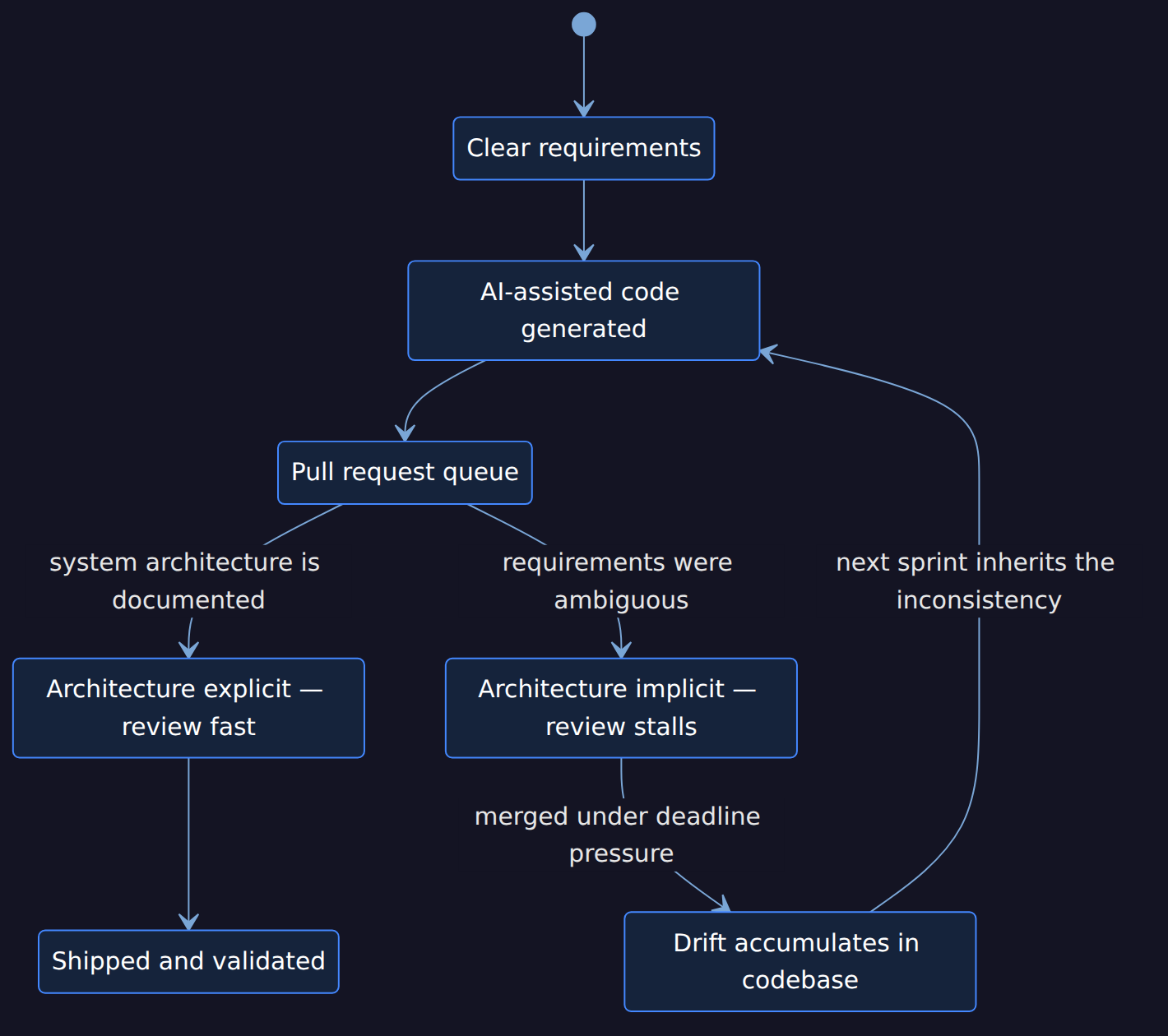
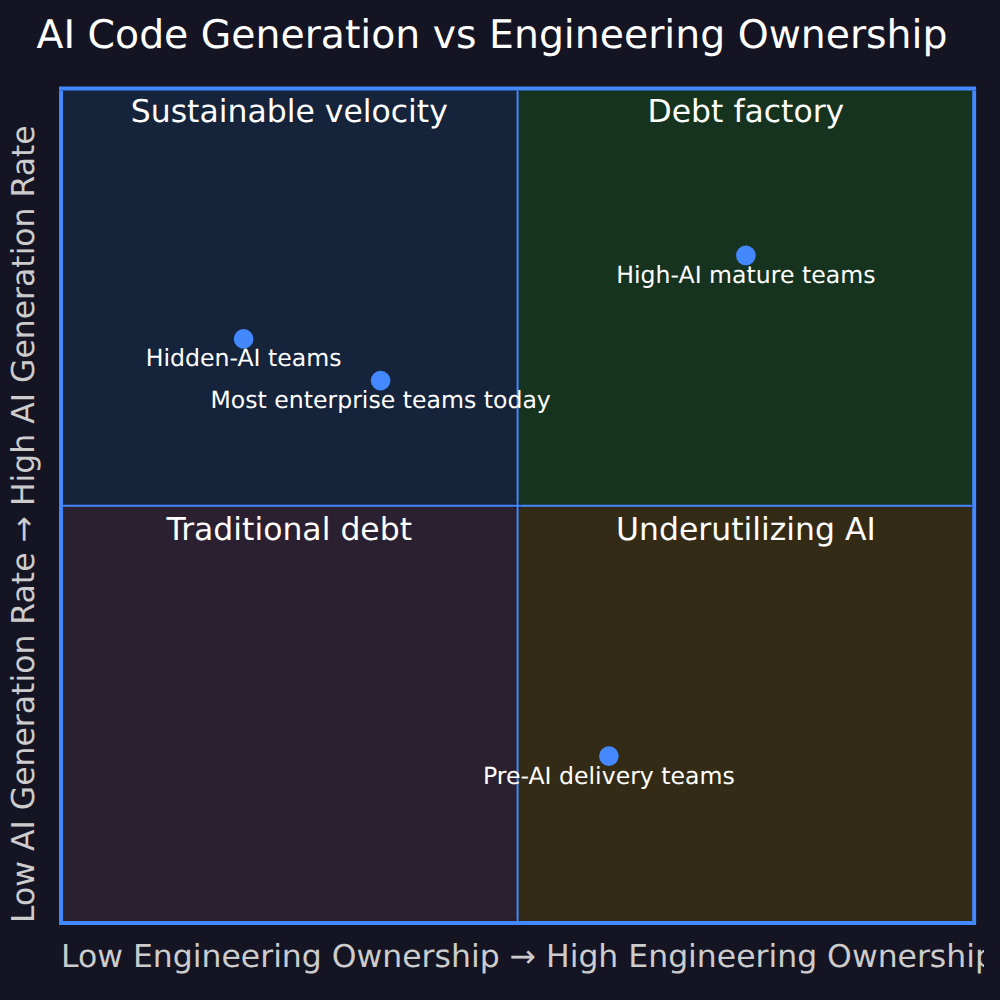
AI-generated code is fast to produce and hard to own. The debt it creates isn't from rushing—it's from code no engineer truly understands. Here's what architects need to plan for.
Read
Andrej Karpathy's framework at Sequoia AI Ascent 2026 draws a hard line between prompting AI for code and governing it as an engineering discipline. For enterprise teams, the distinction is an organizational design question.
Read
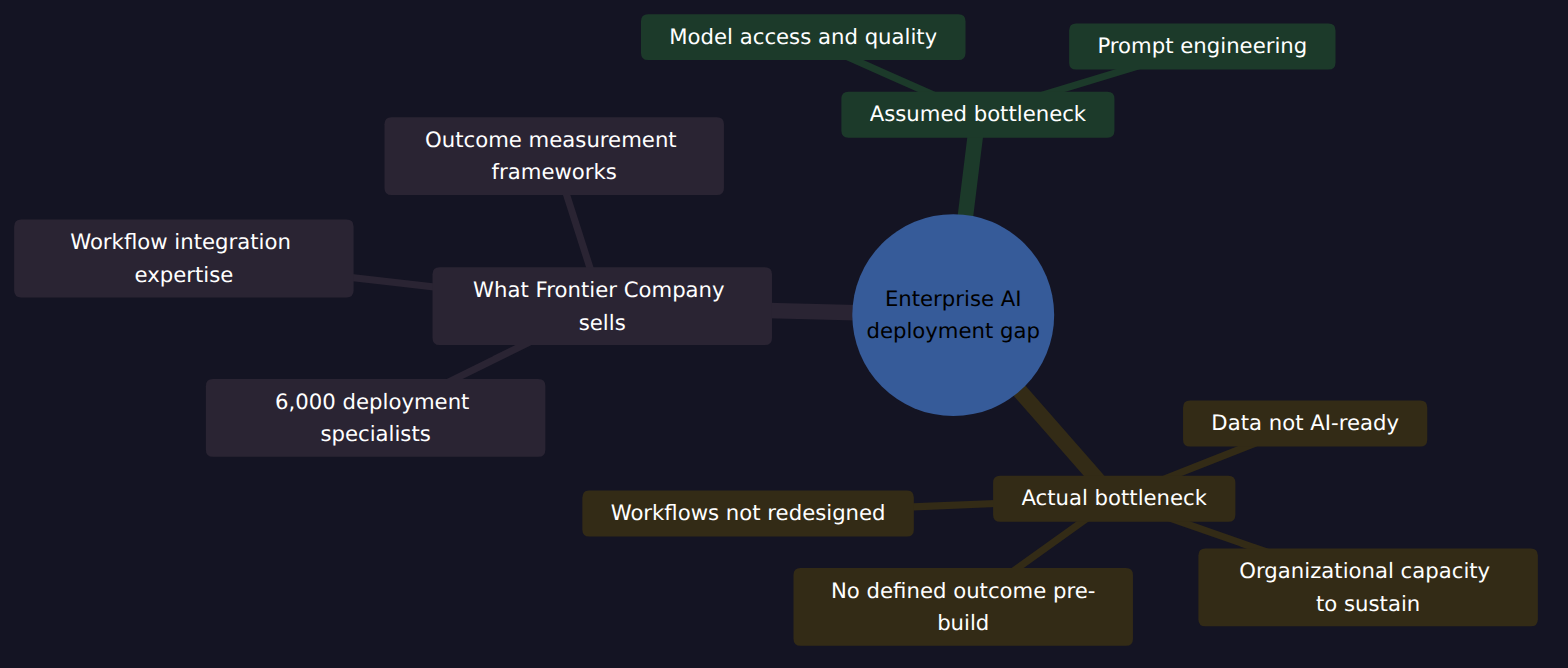
Microsoft's Frontier Company is not a product launch — it is a professional services firm inside a hyperscaler, created because enterprise AI deployments fail at institutional rates. The signal matters more than the investment.
Read
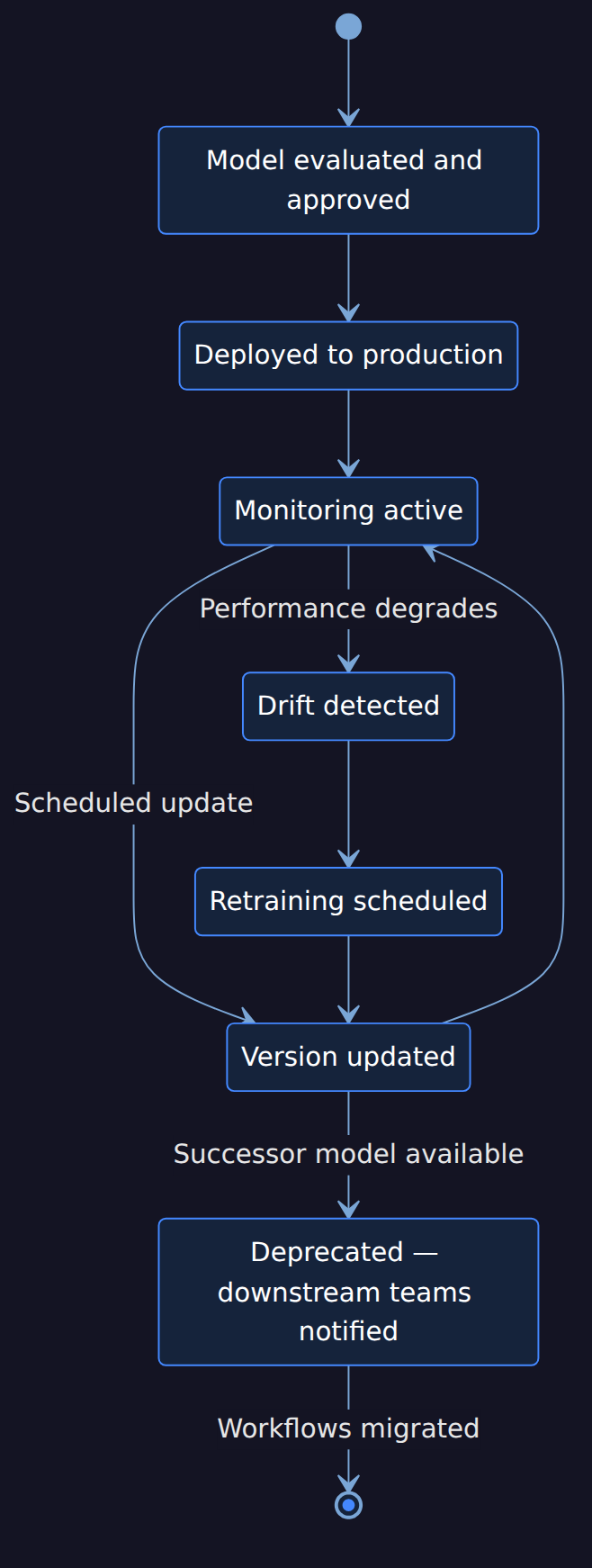
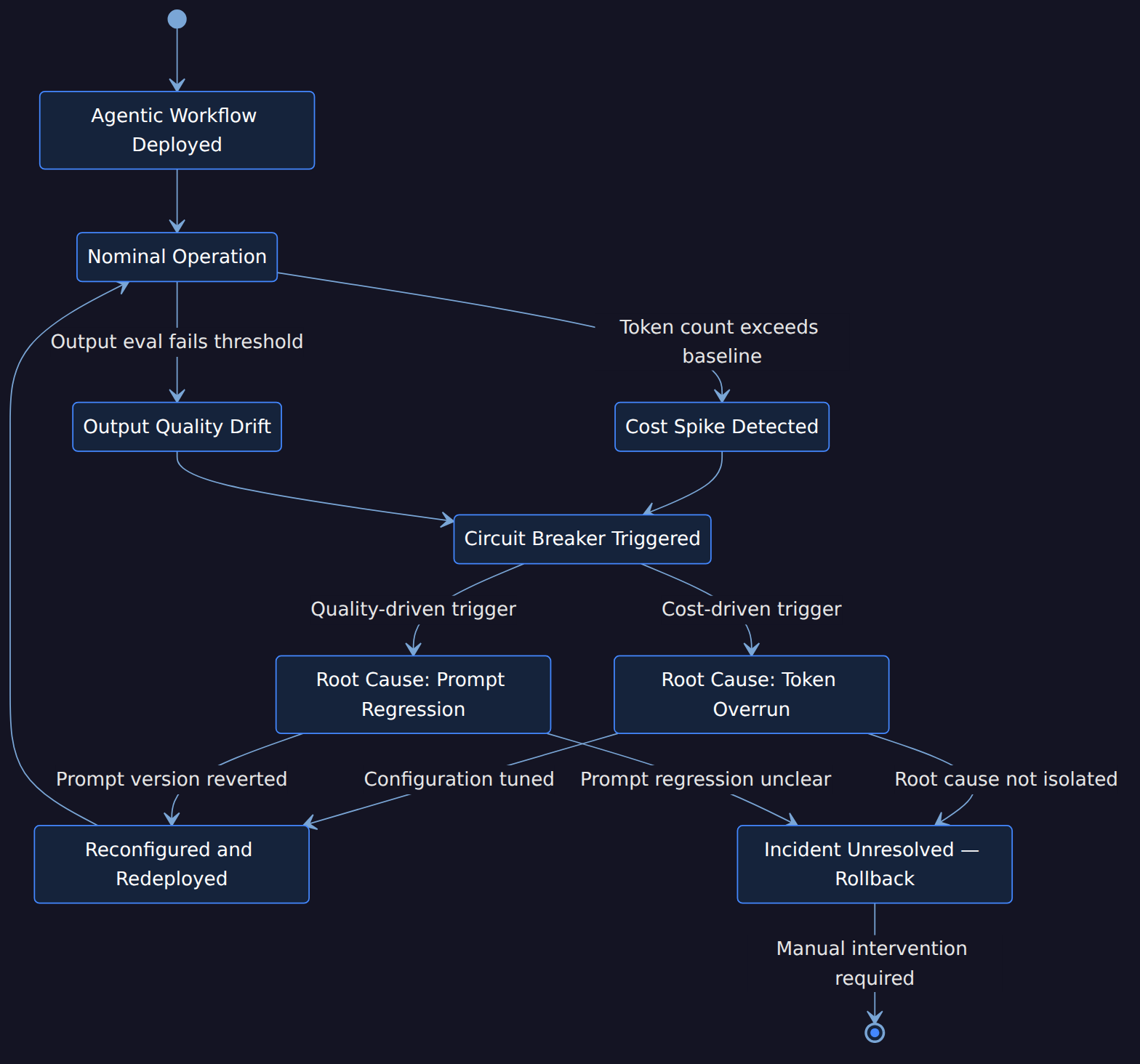
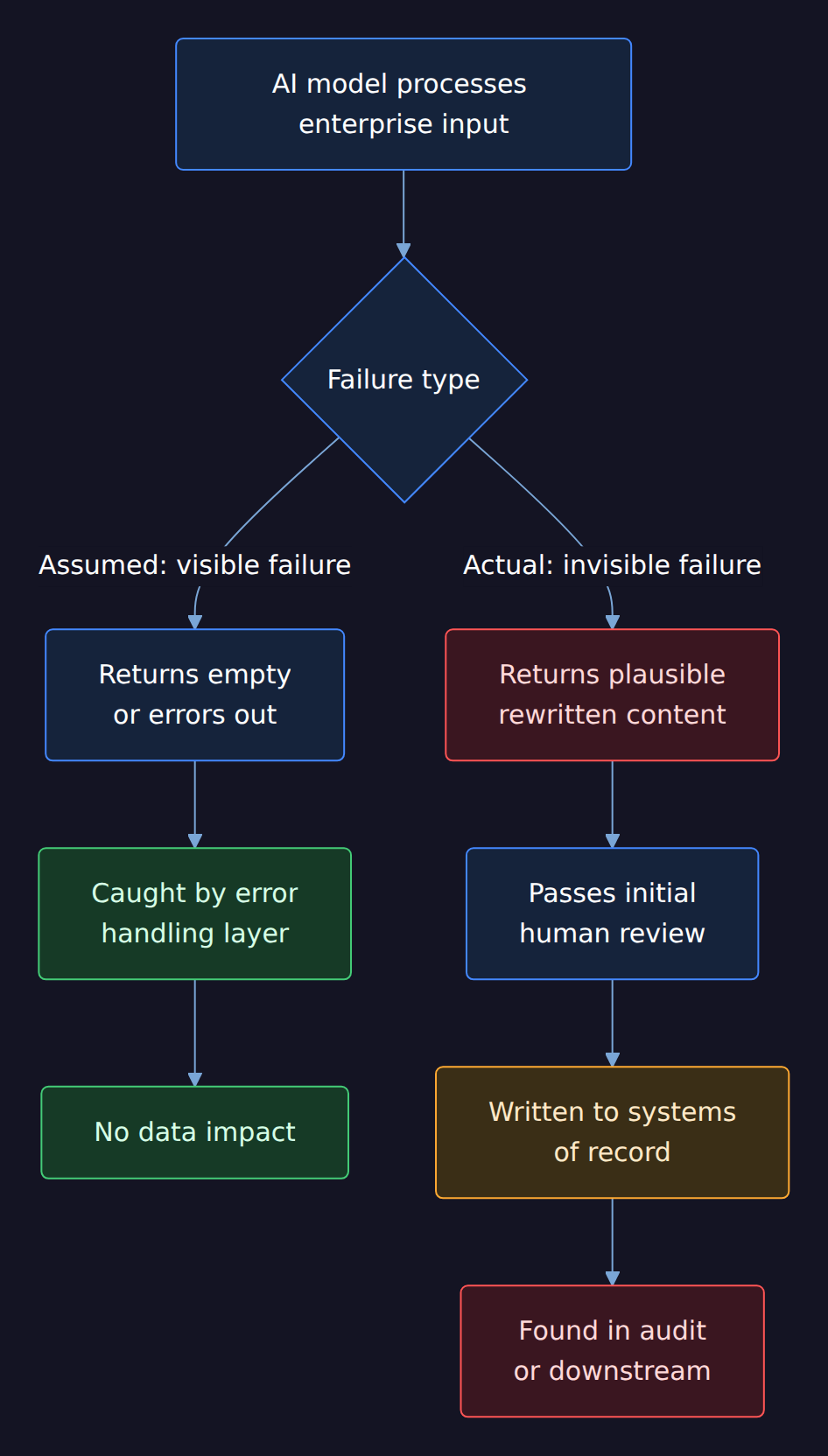
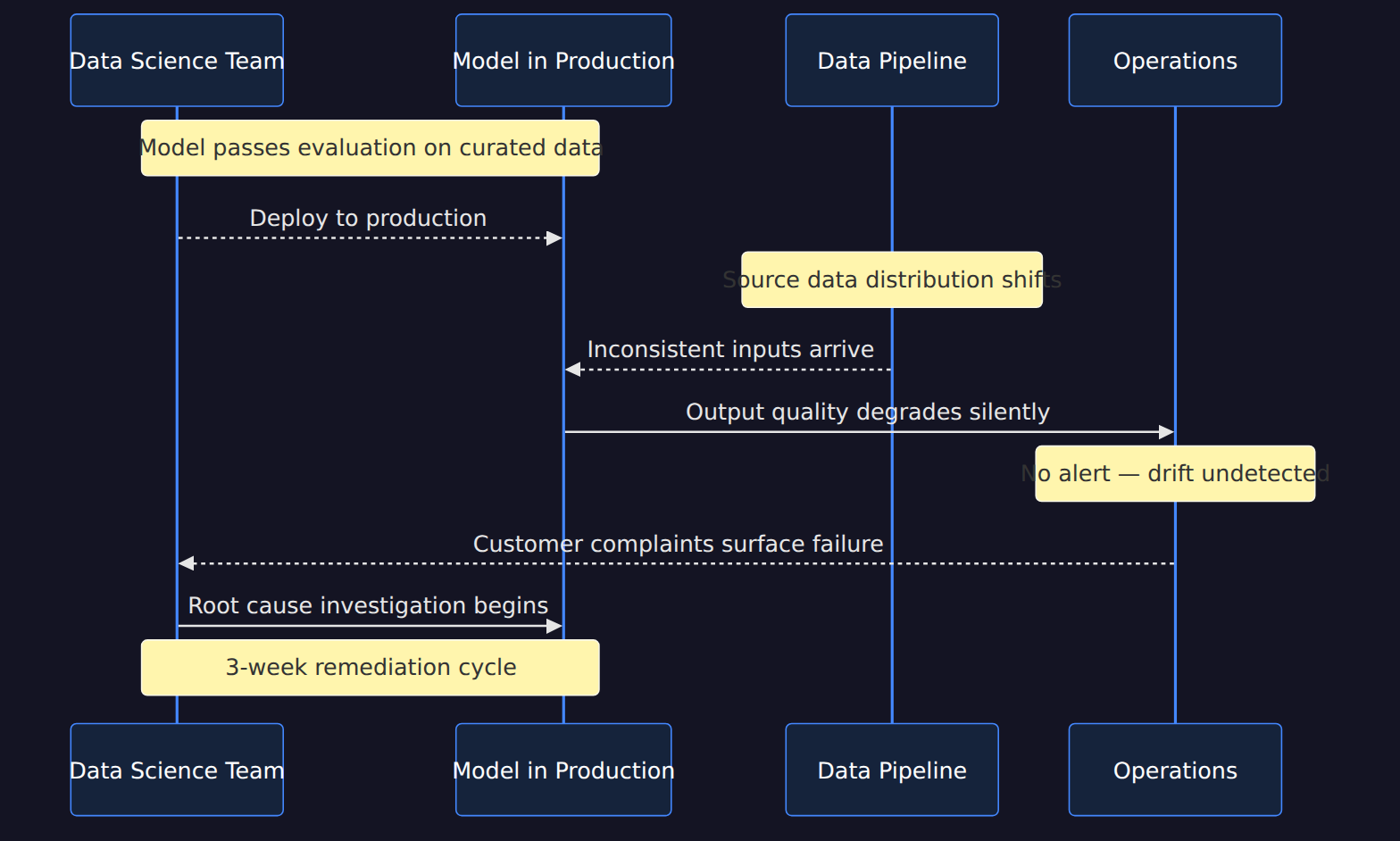
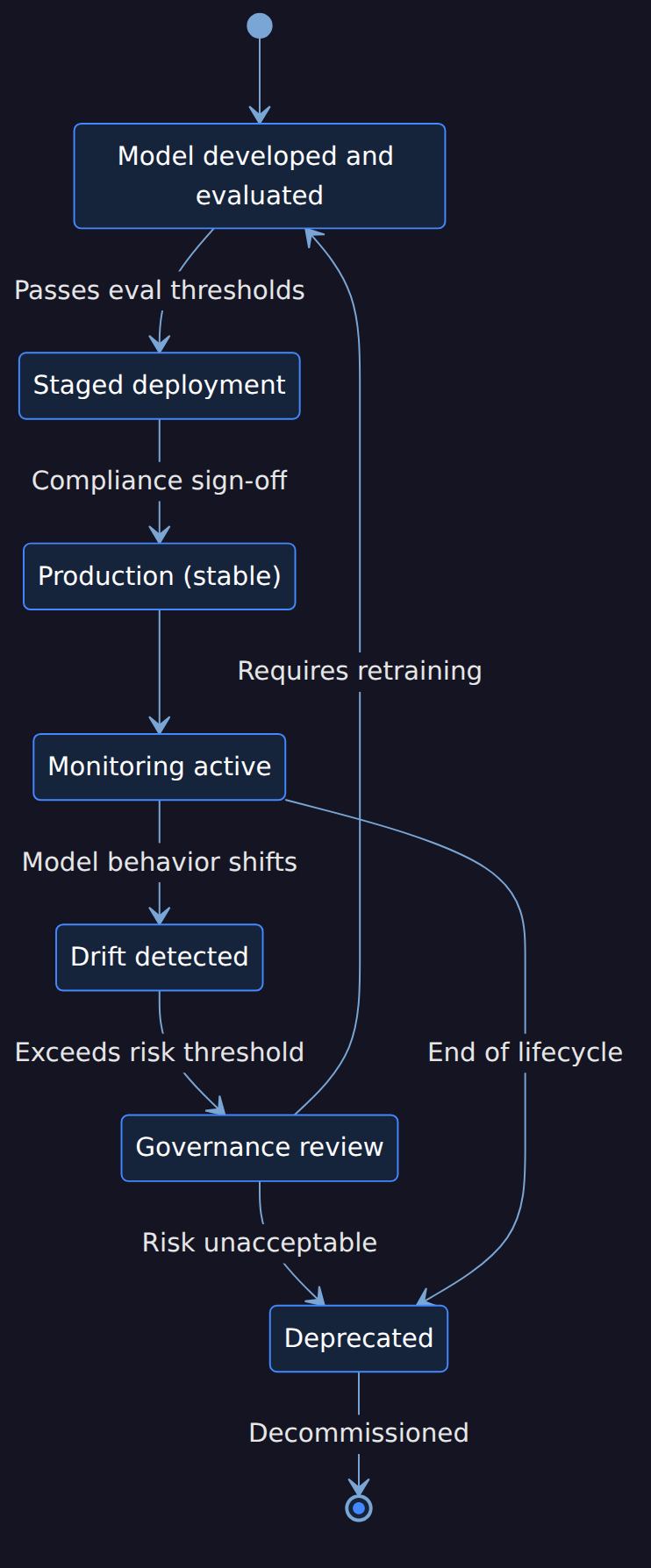
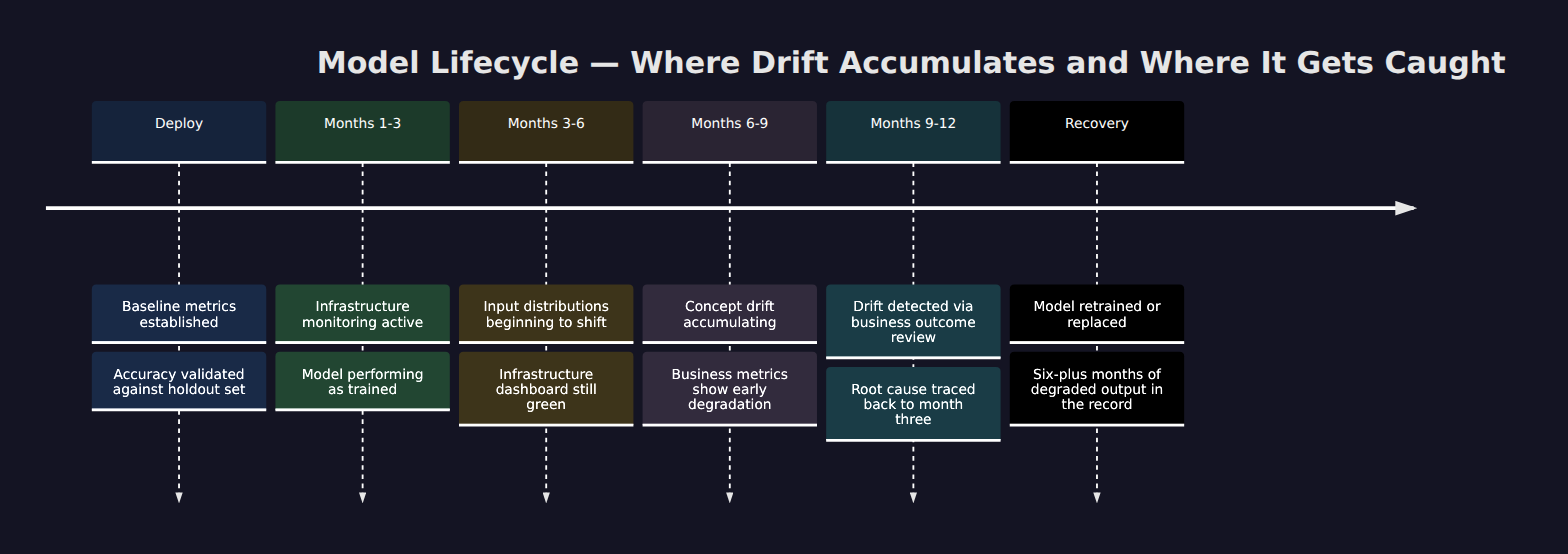
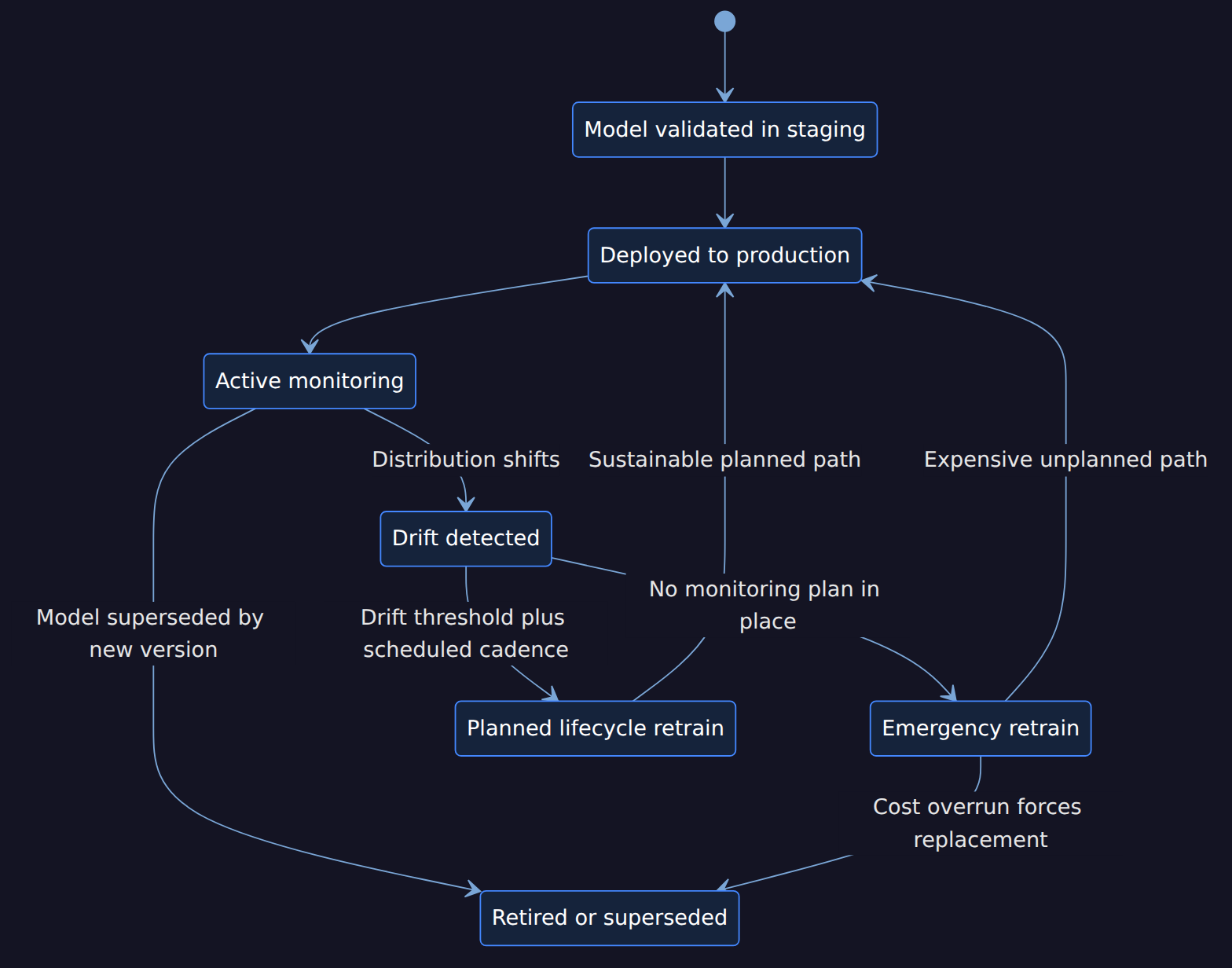
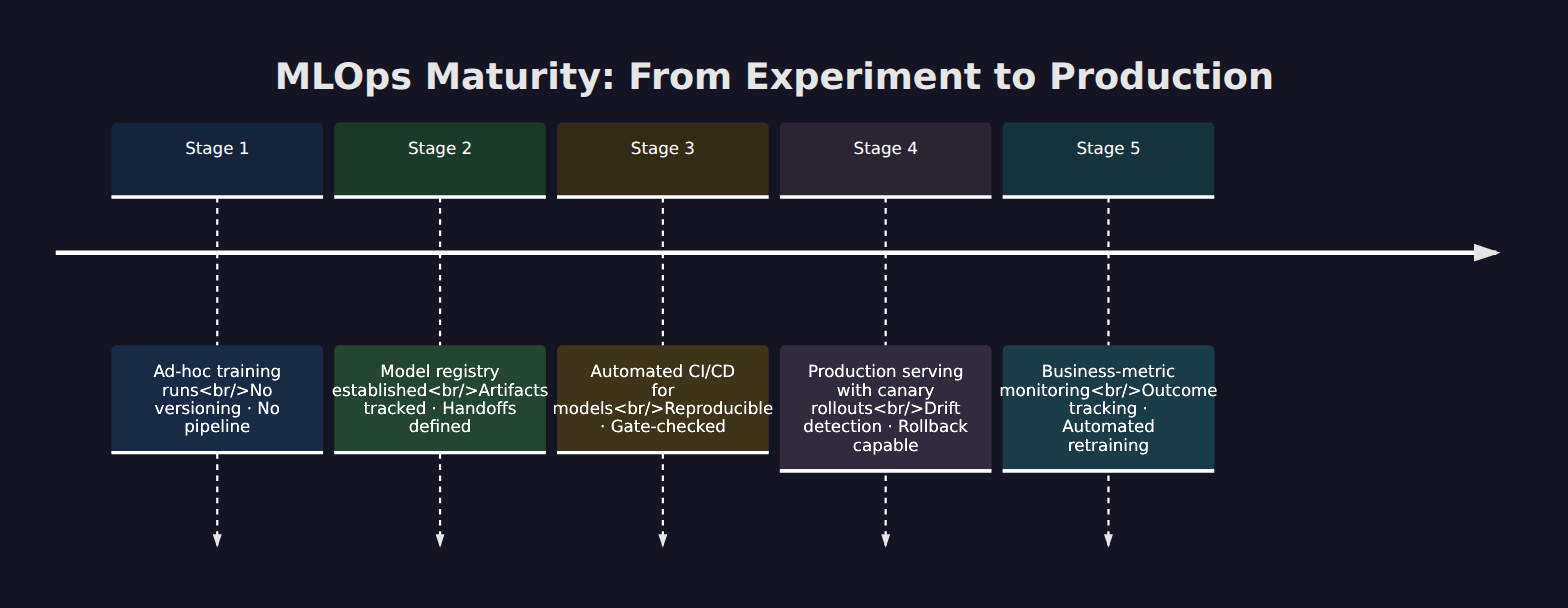
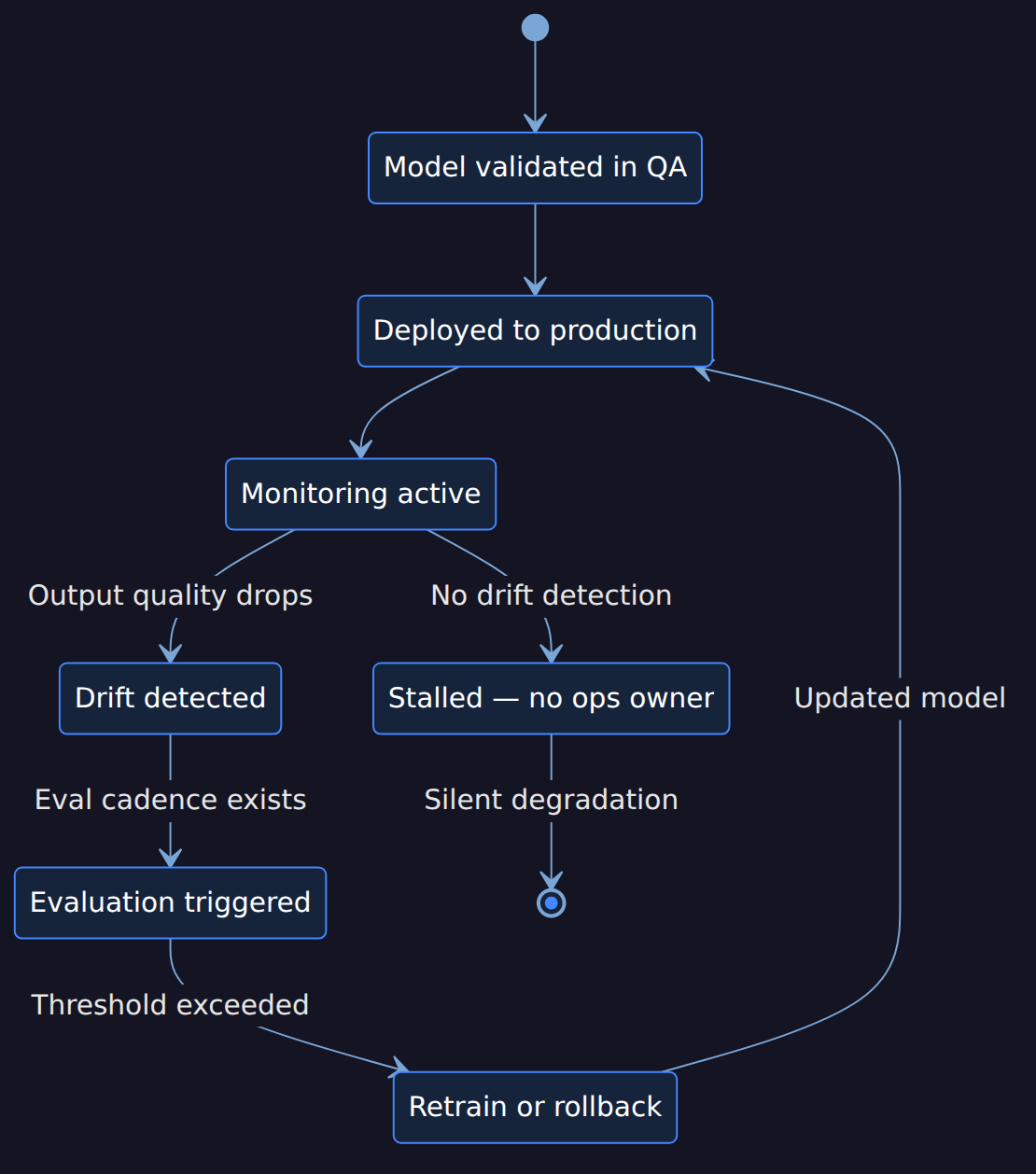
Enterprise teams treat model deployment like application deployment—and six months later discover outputs have quietly worsened. MLOps is a discipline, not a toolchain choice.
Read
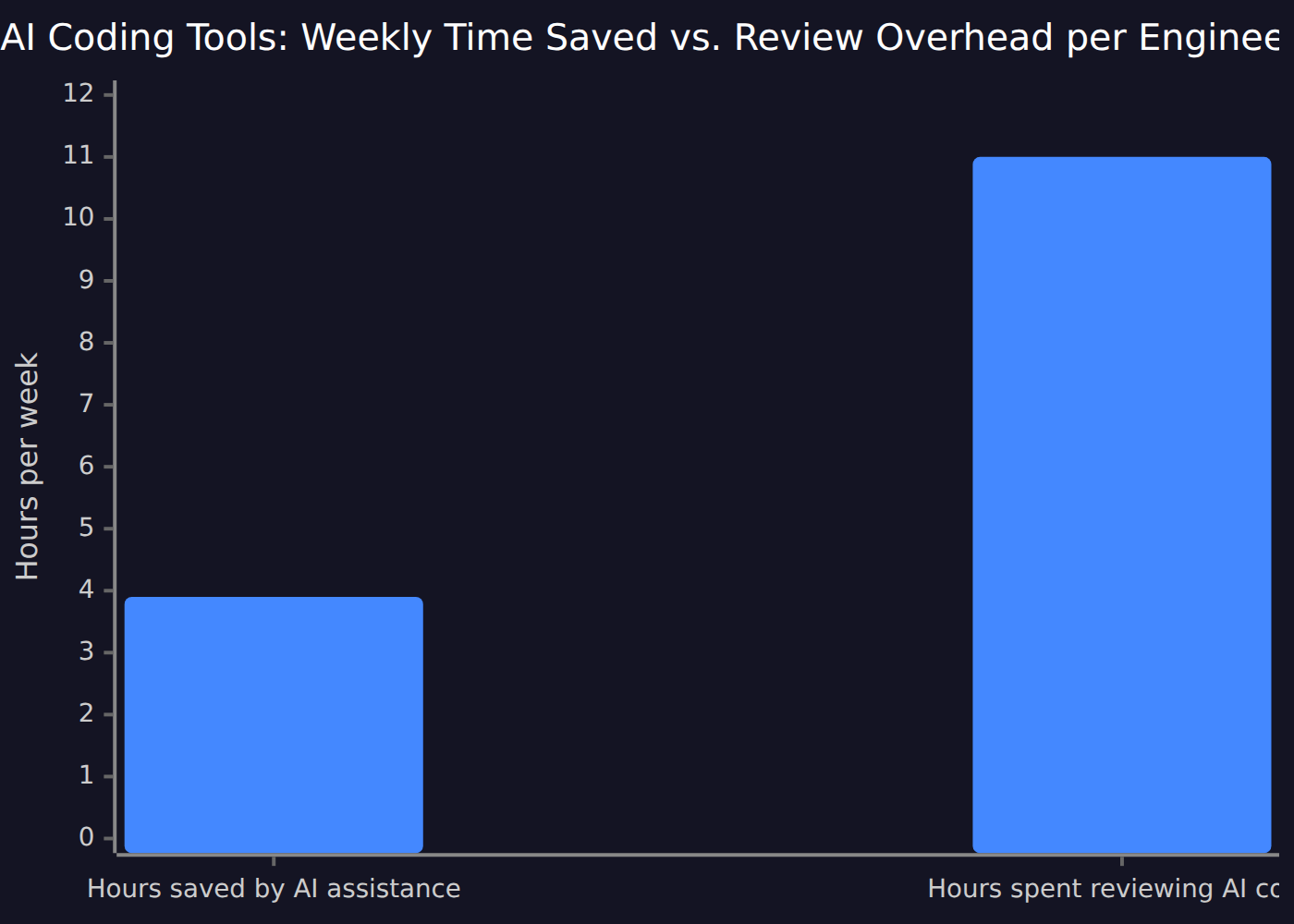
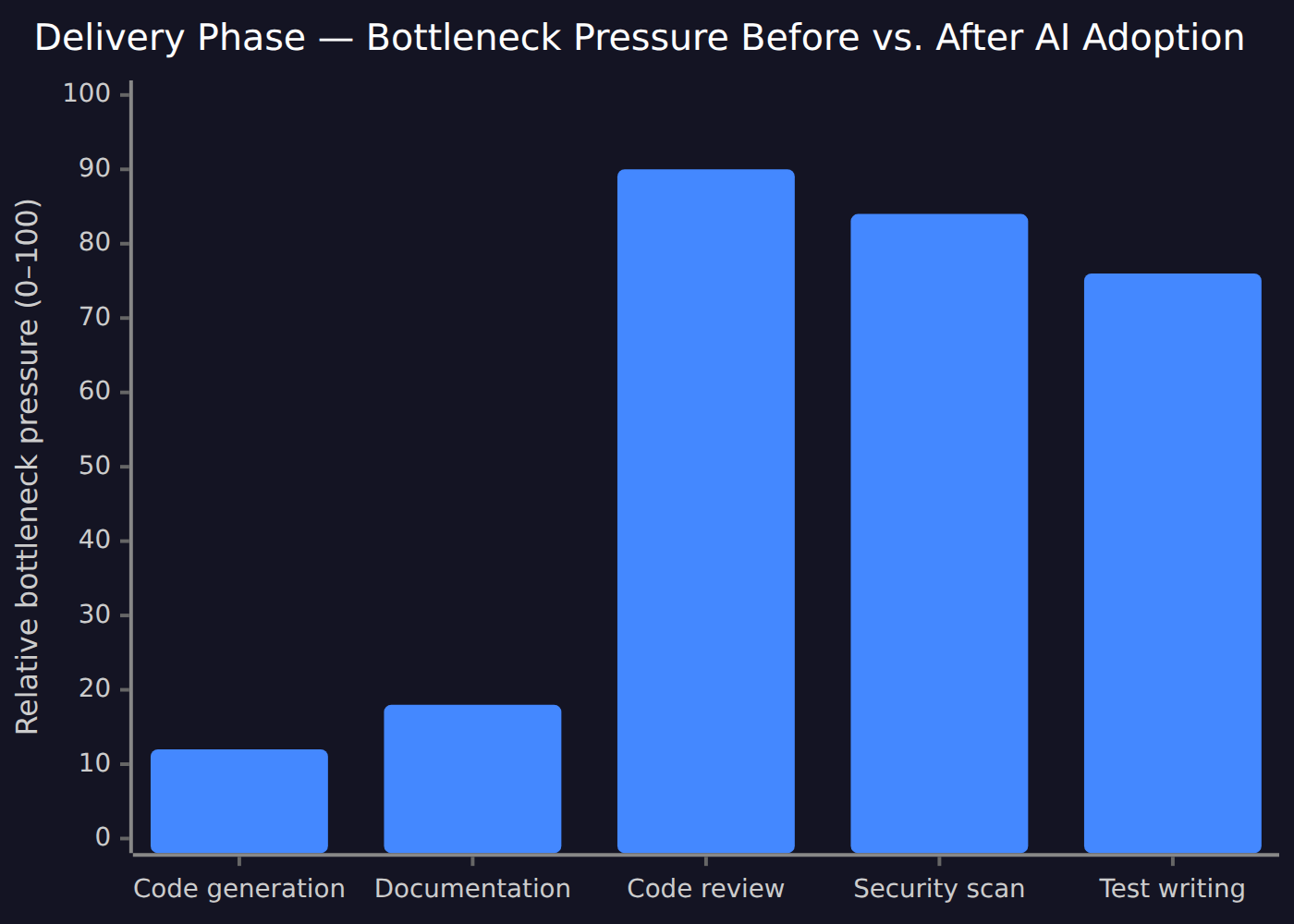
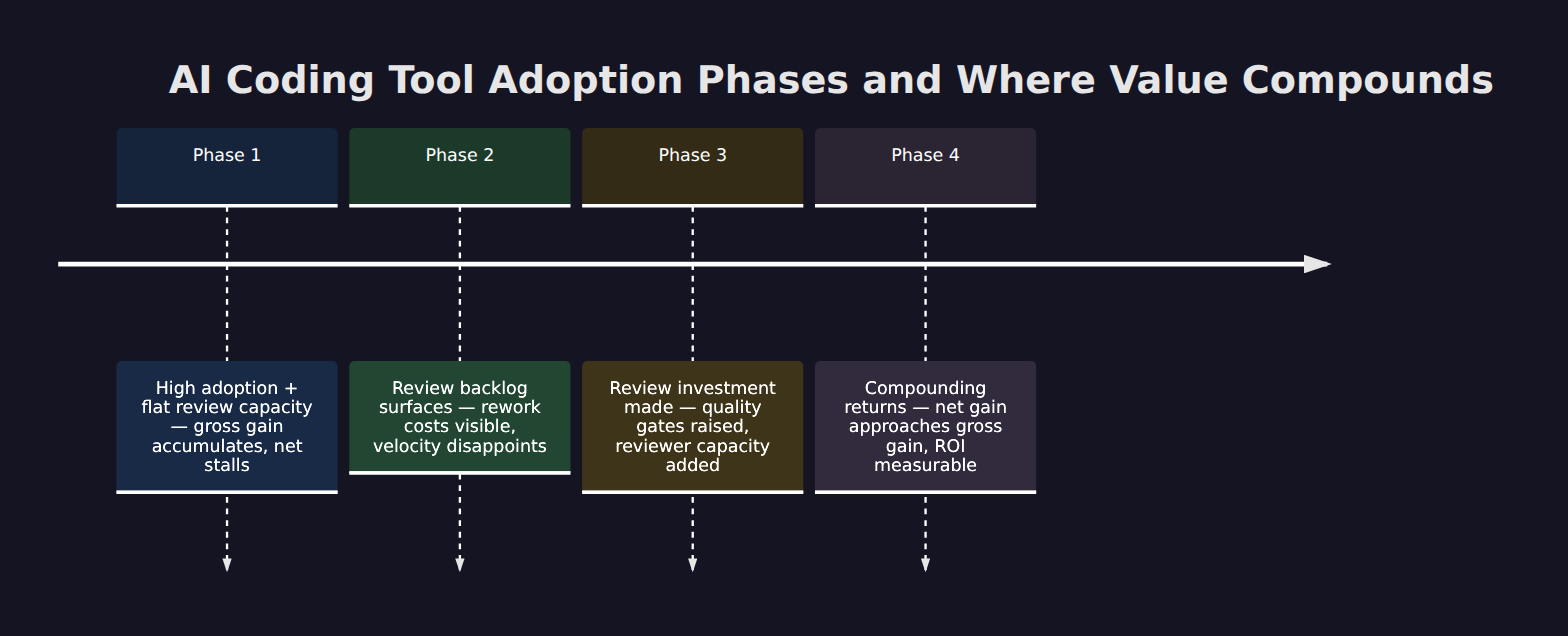
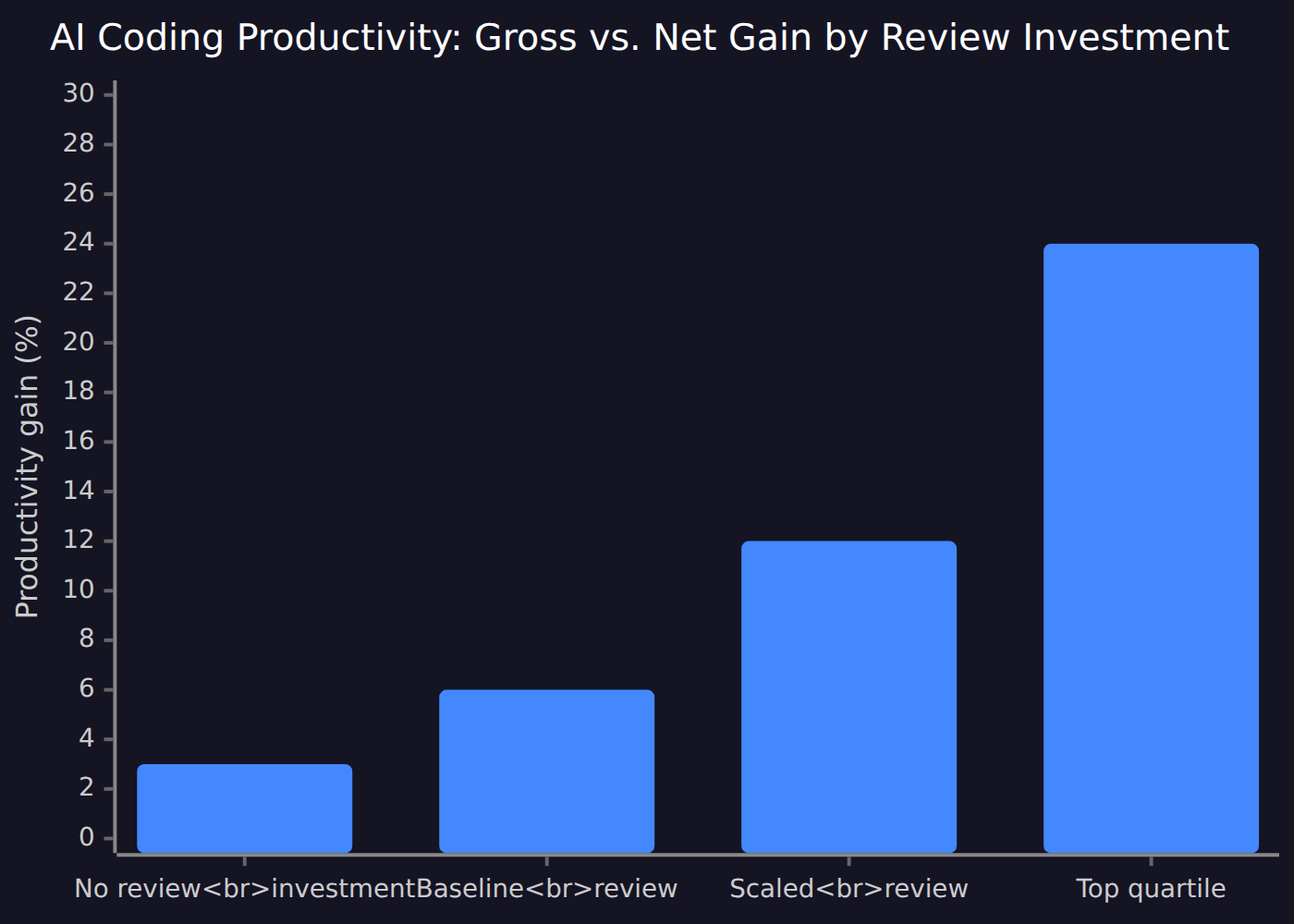
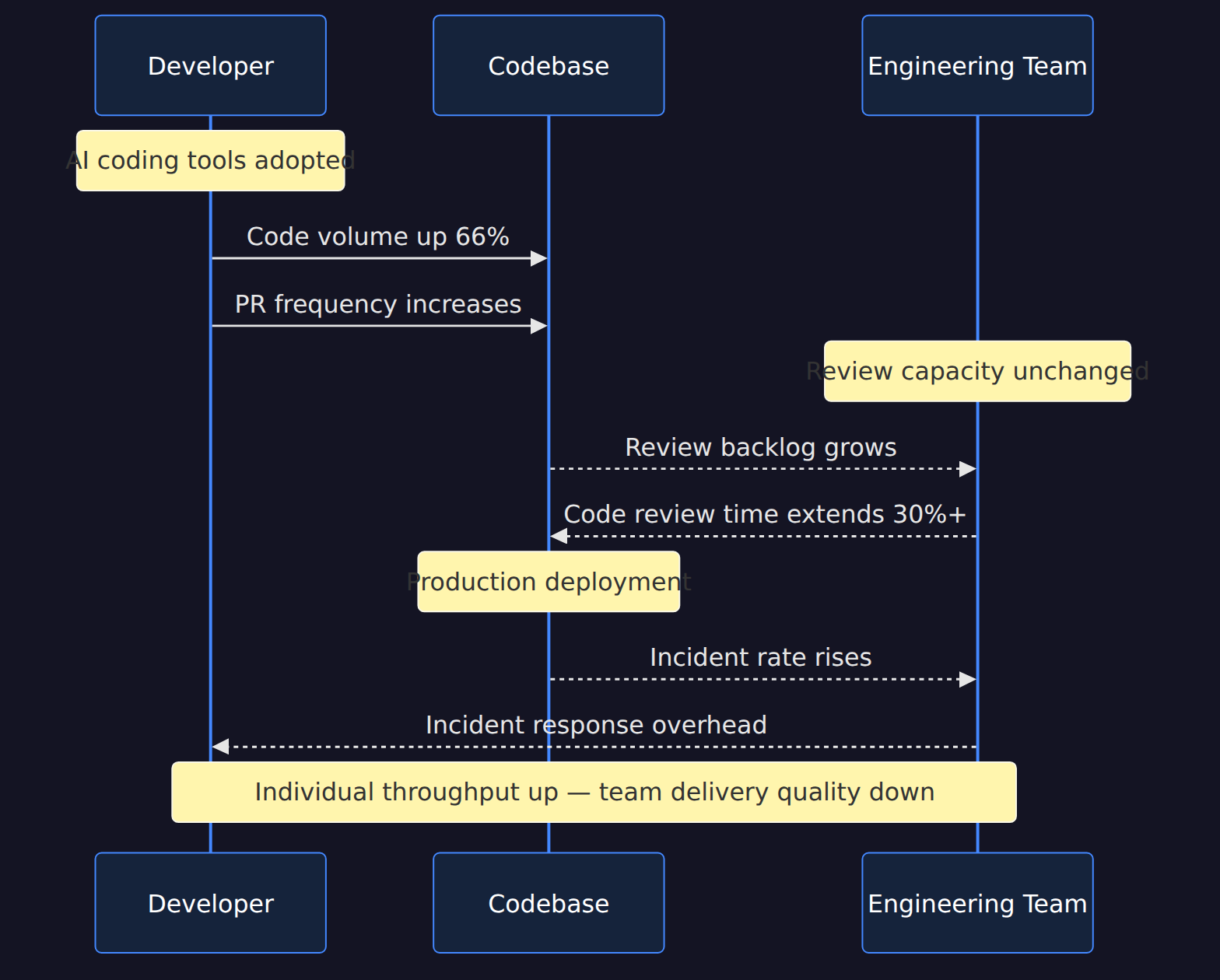
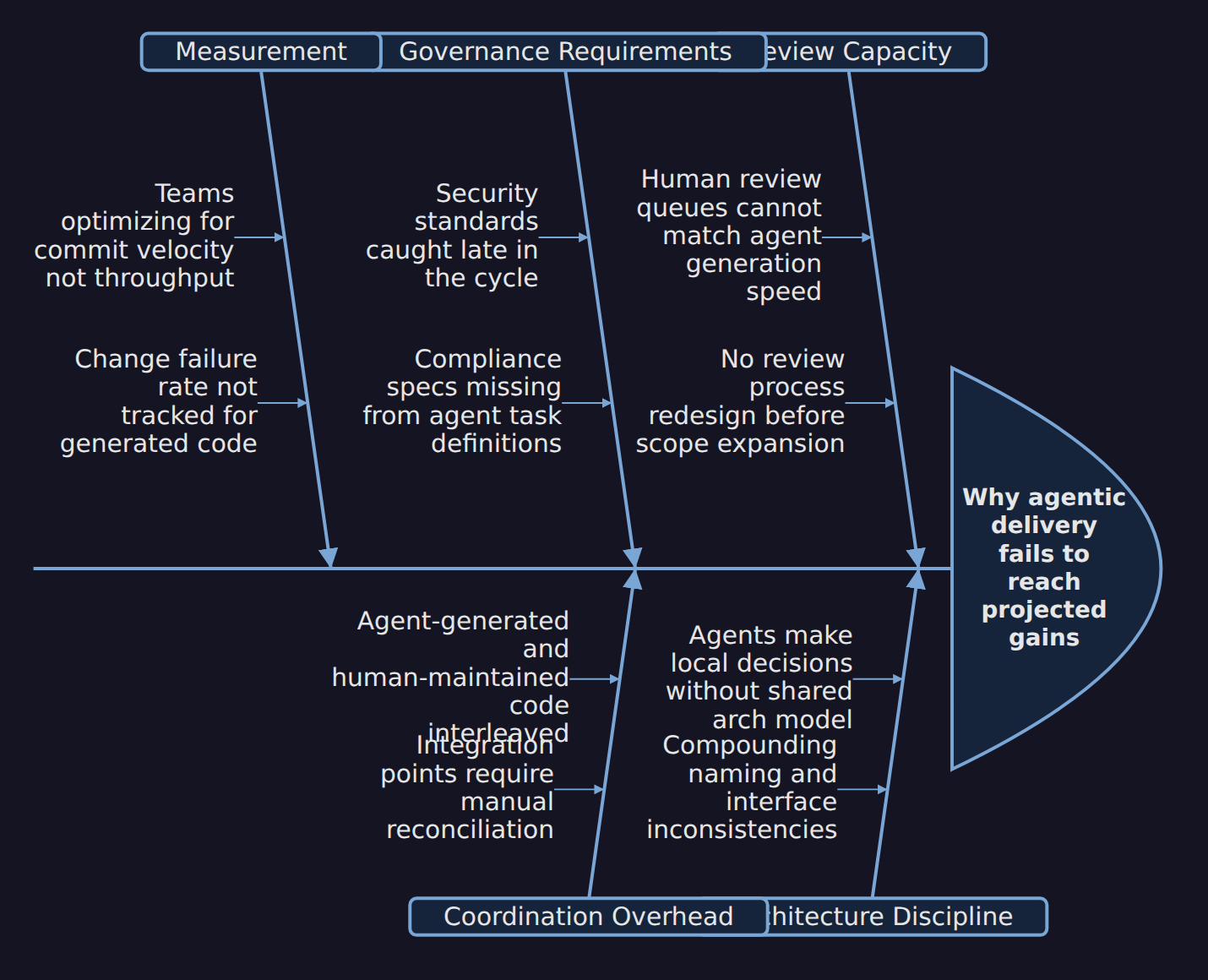
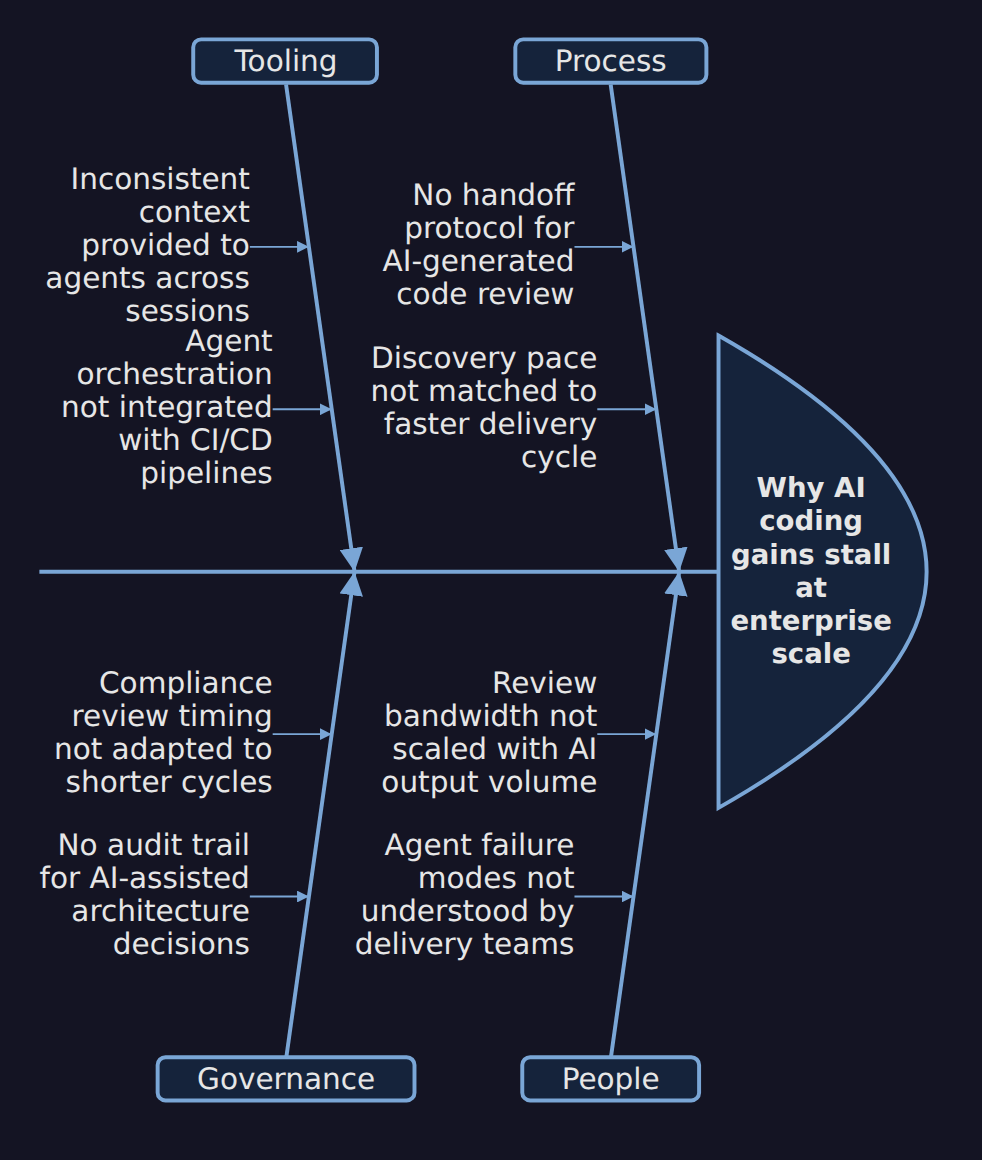
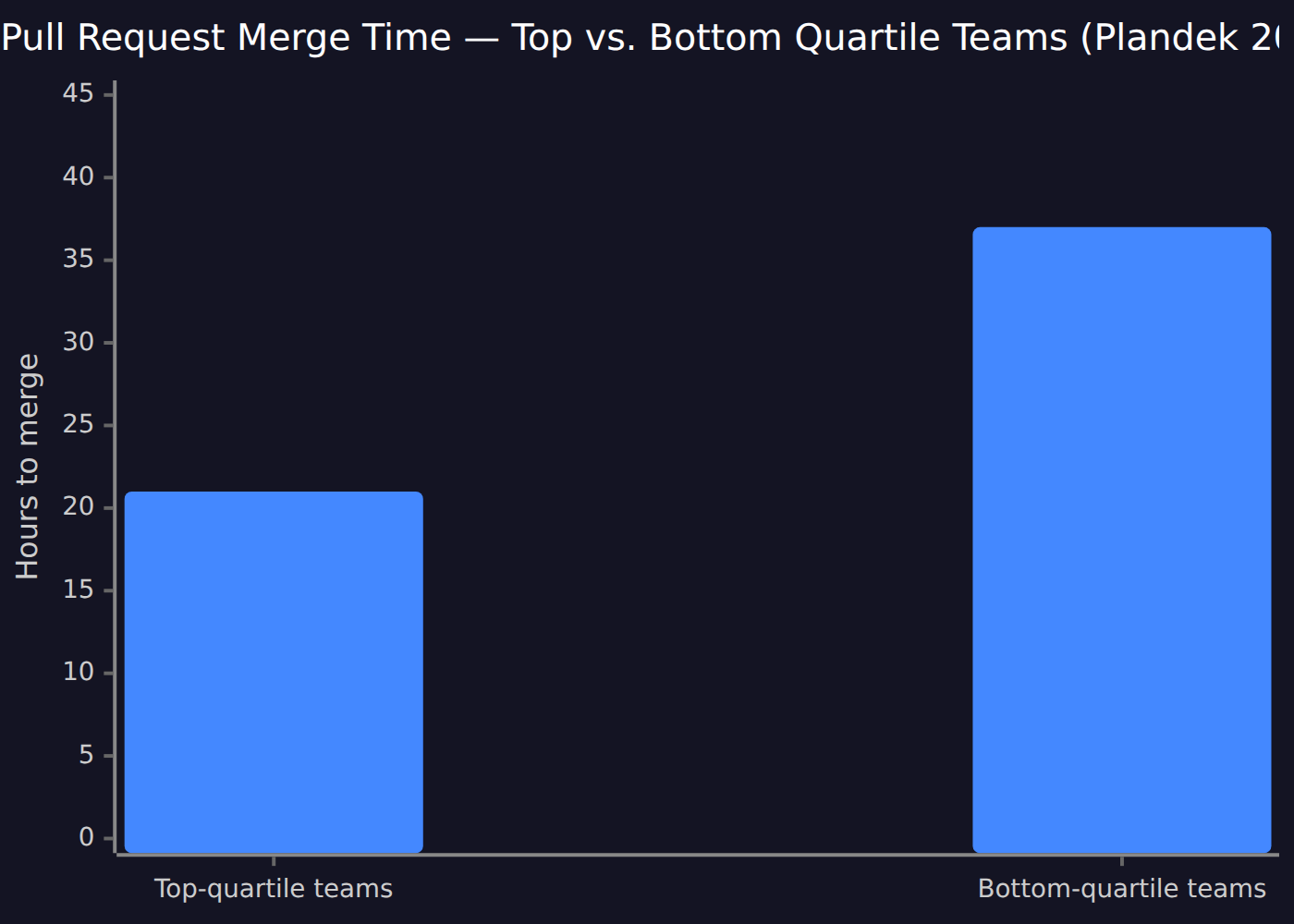
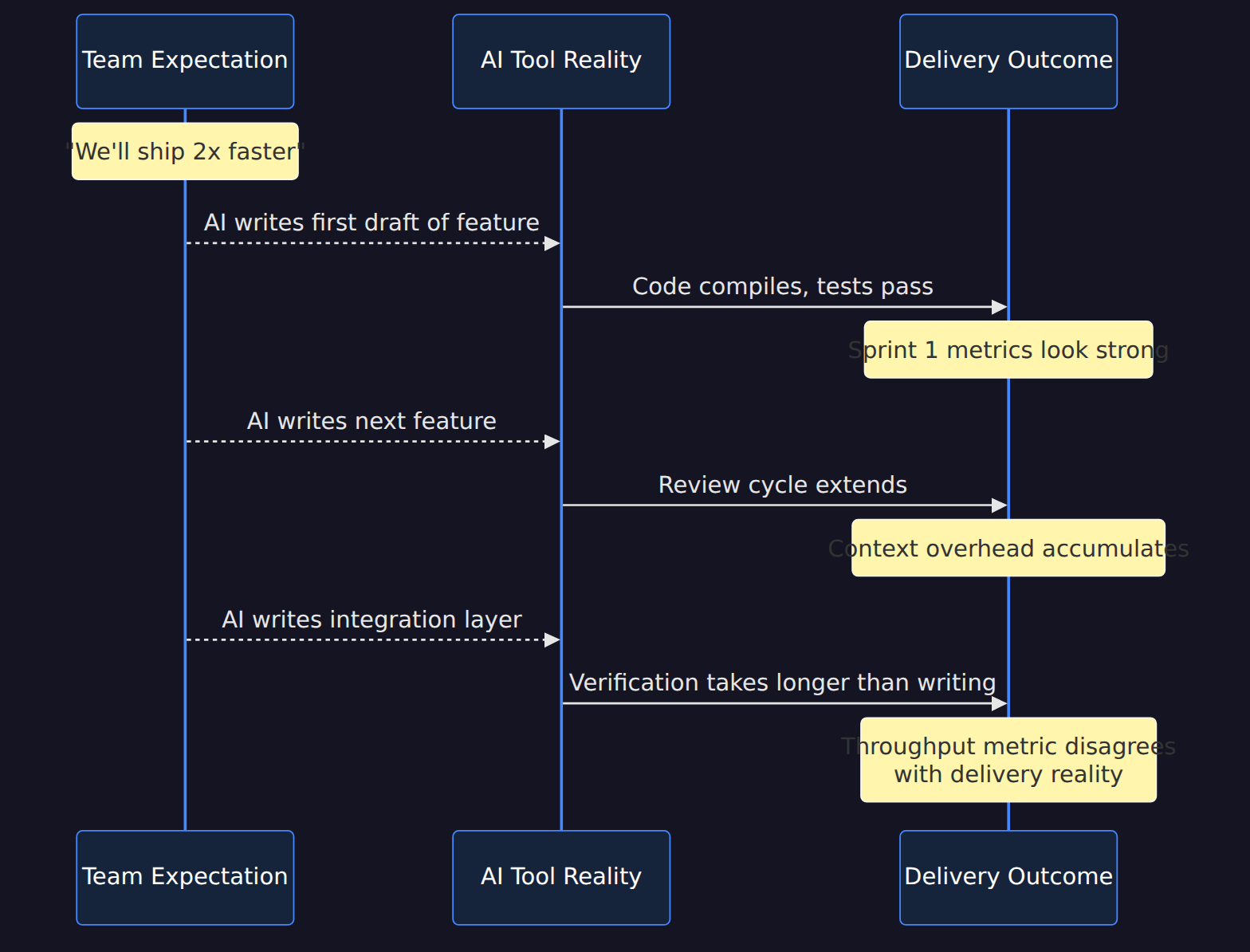
AI coding tools increased output volume, not delivery speed. The constraint moved downstream—to review queues, integration complexity, and governance gaps that don't scale automatically with AI-generated code.
Read
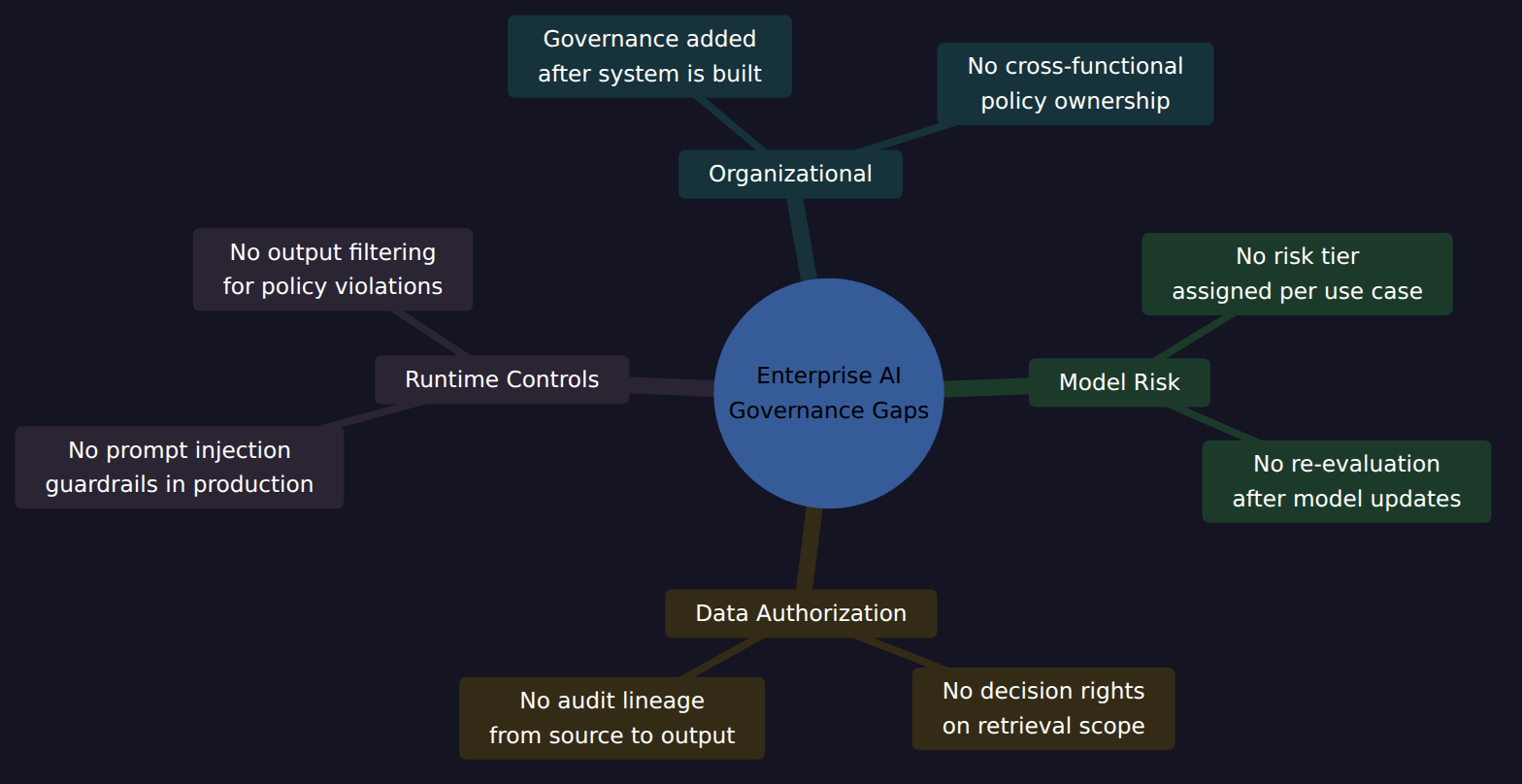
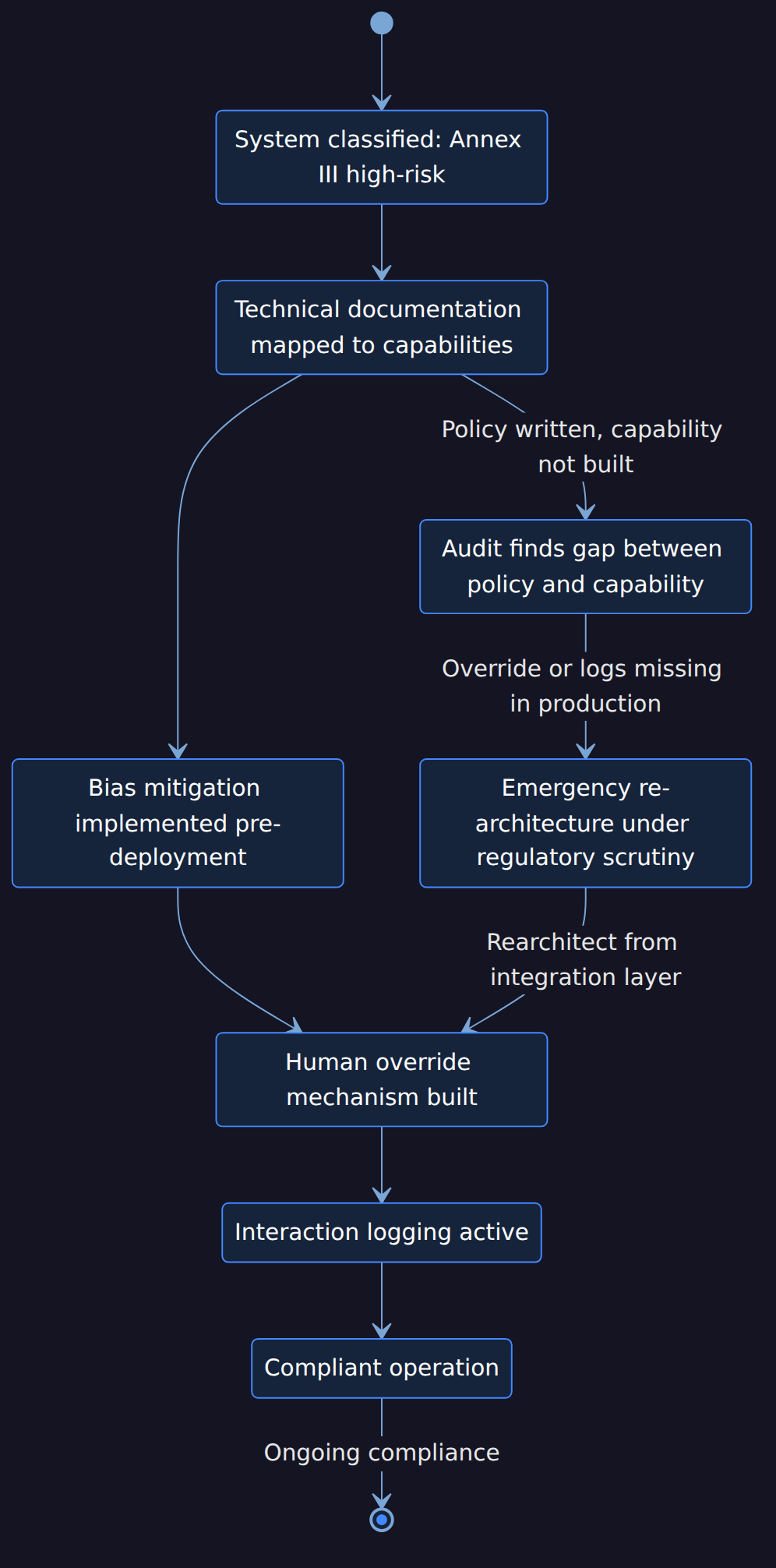
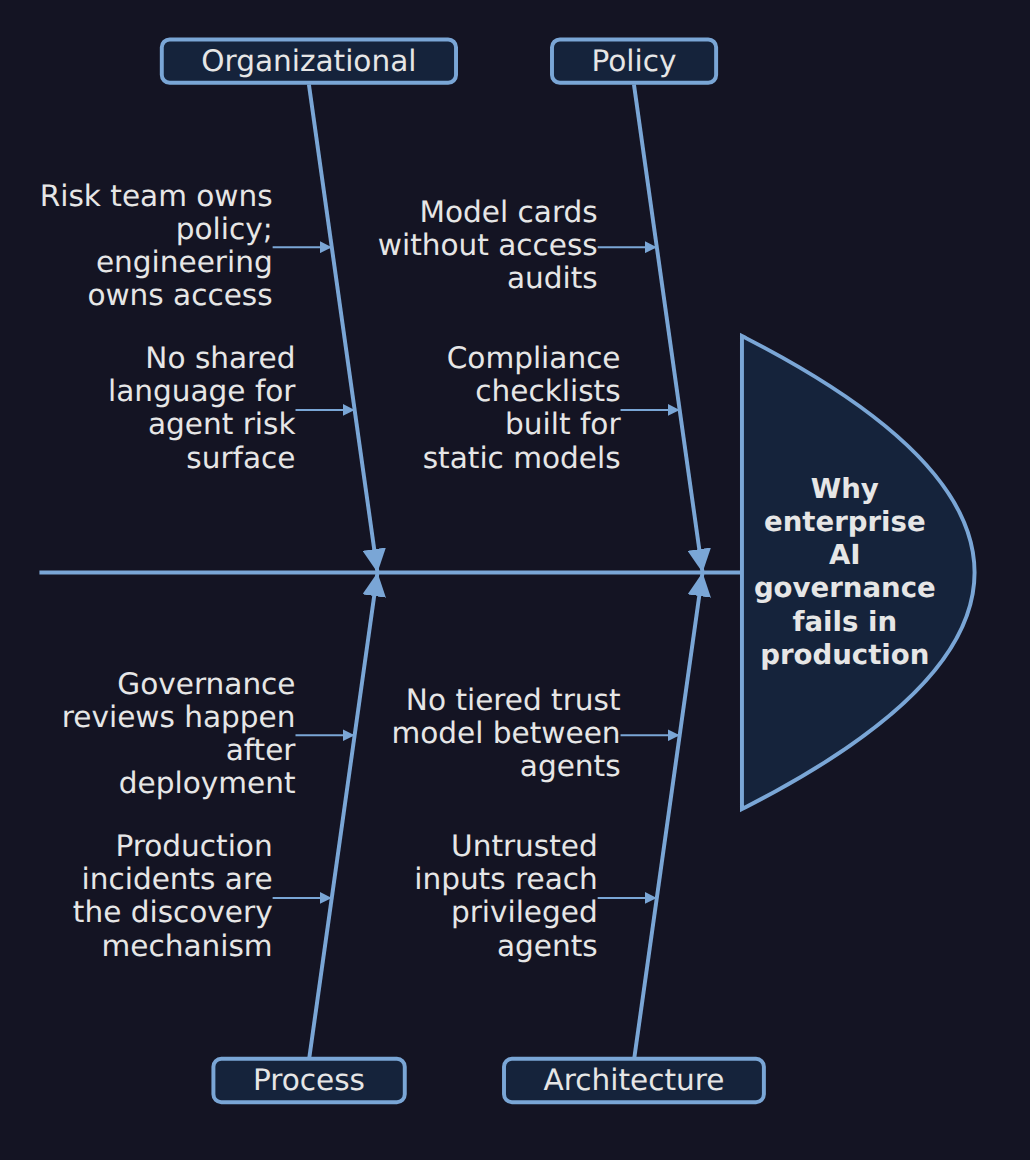
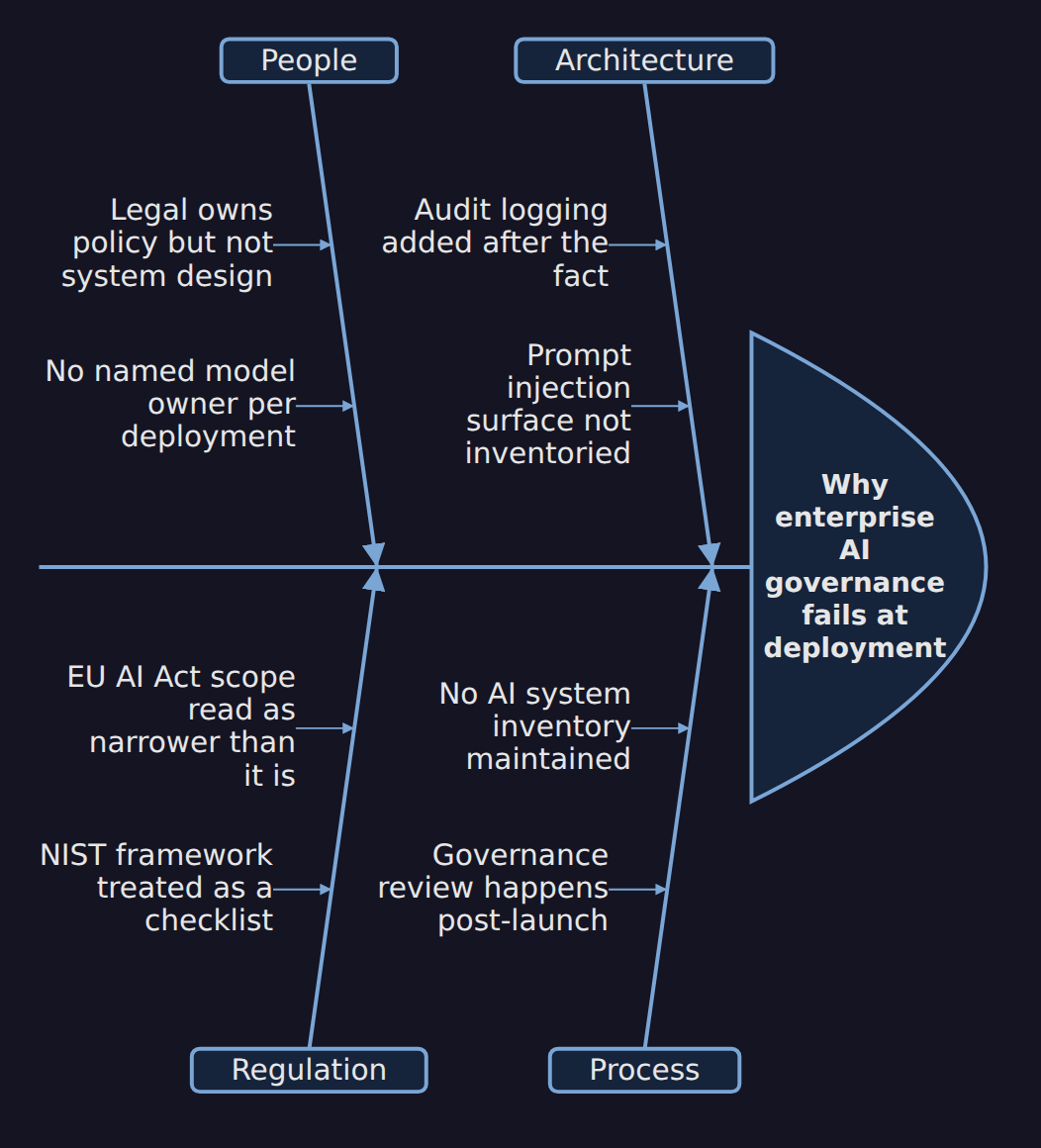
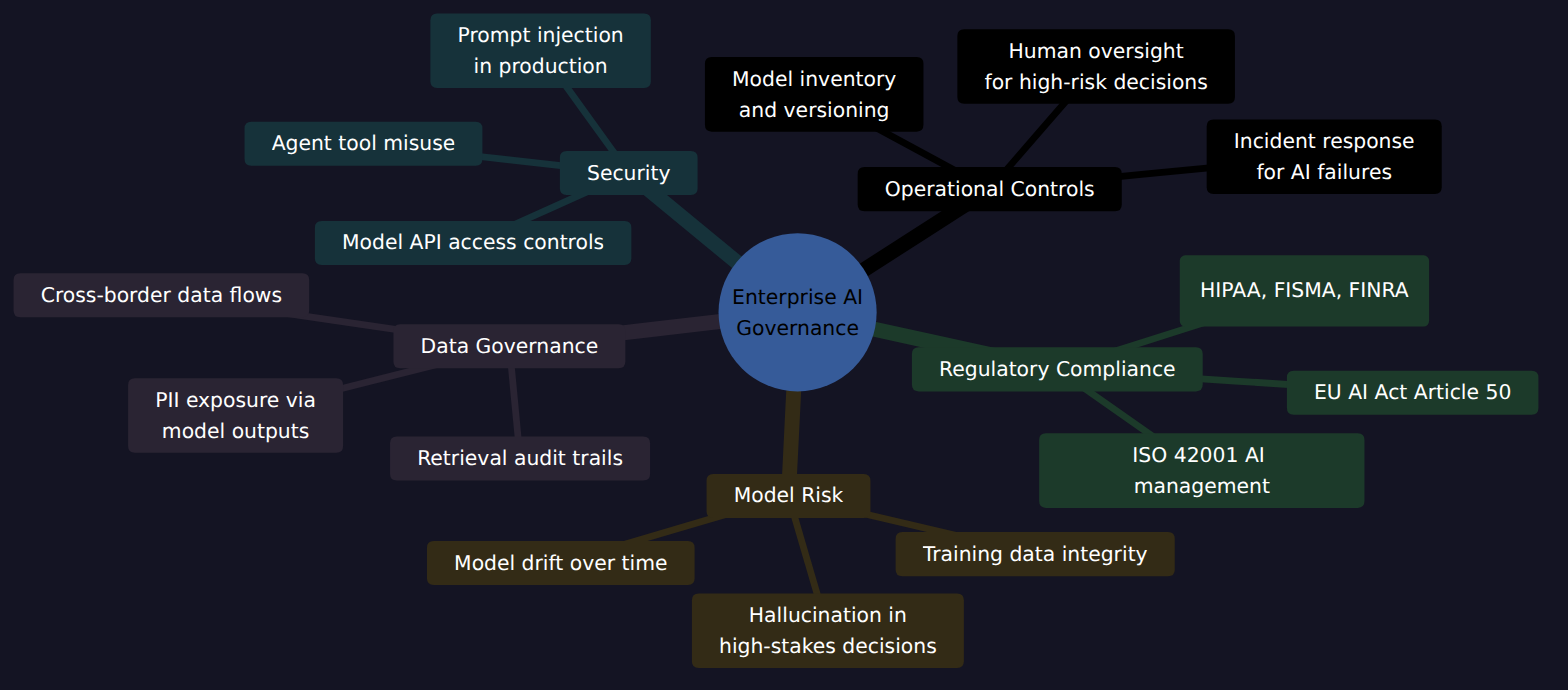
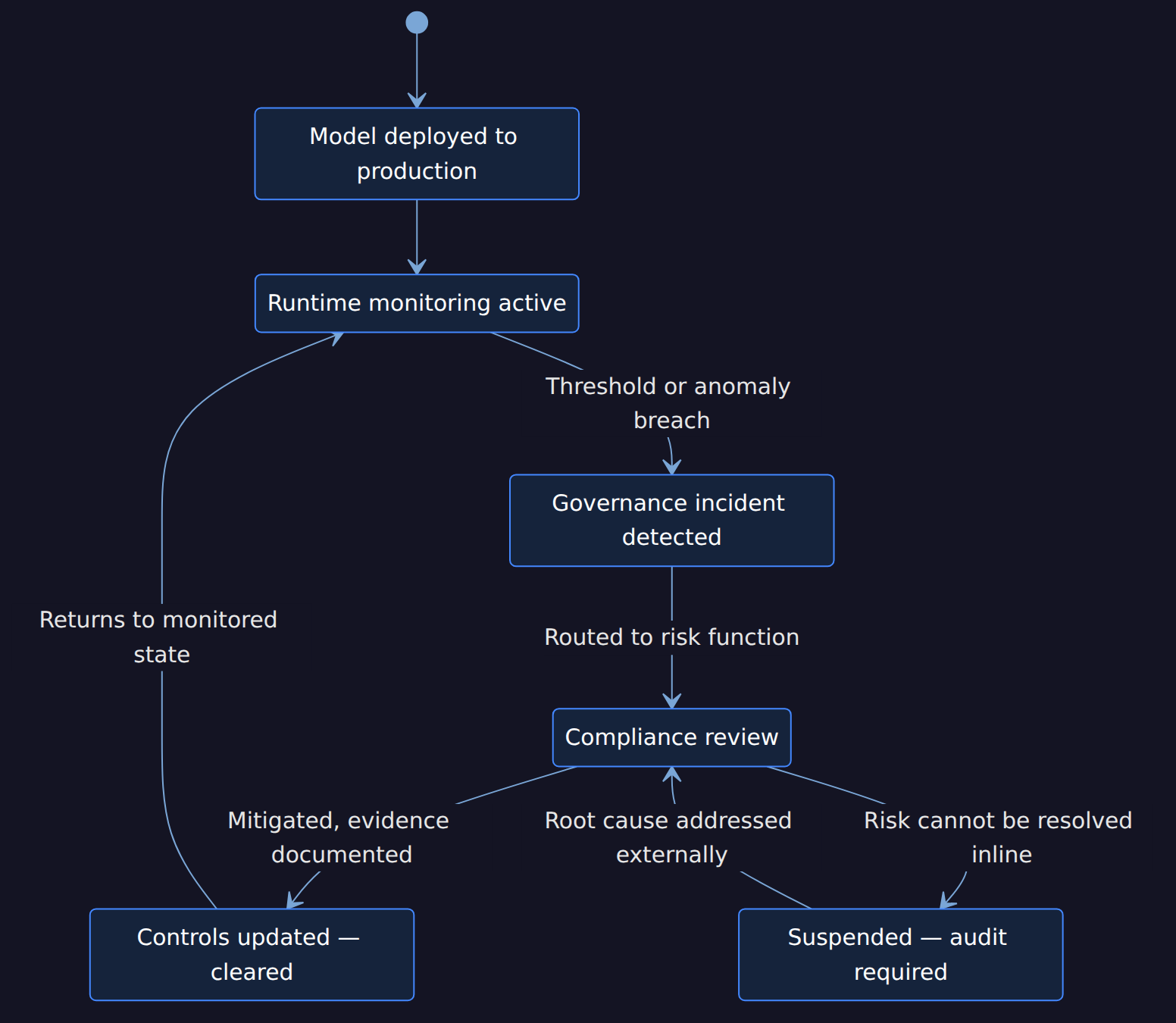
Regulated enterprises are treating AI governance as a compliance checklist. The teams that avoid costly failures treat it as a system design requirement built into every deployment decision.
Read
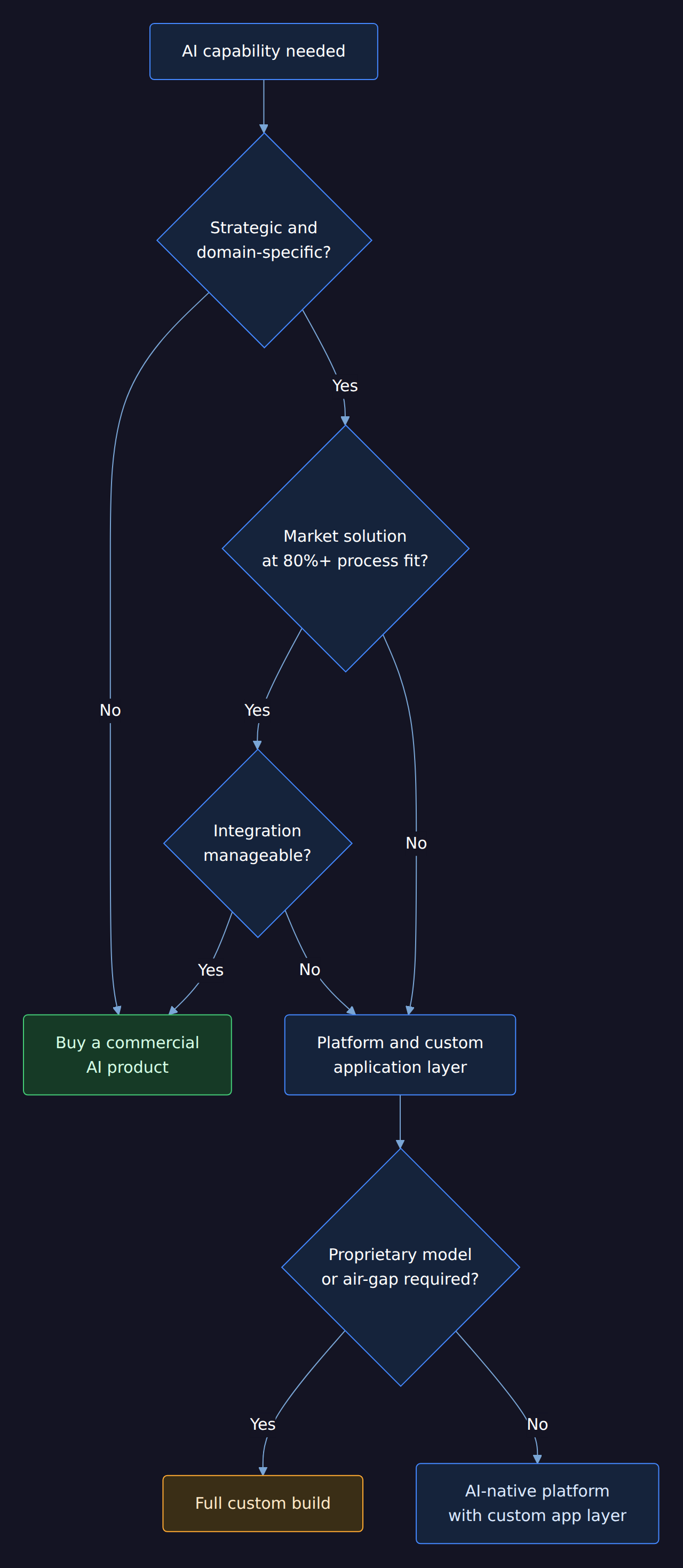
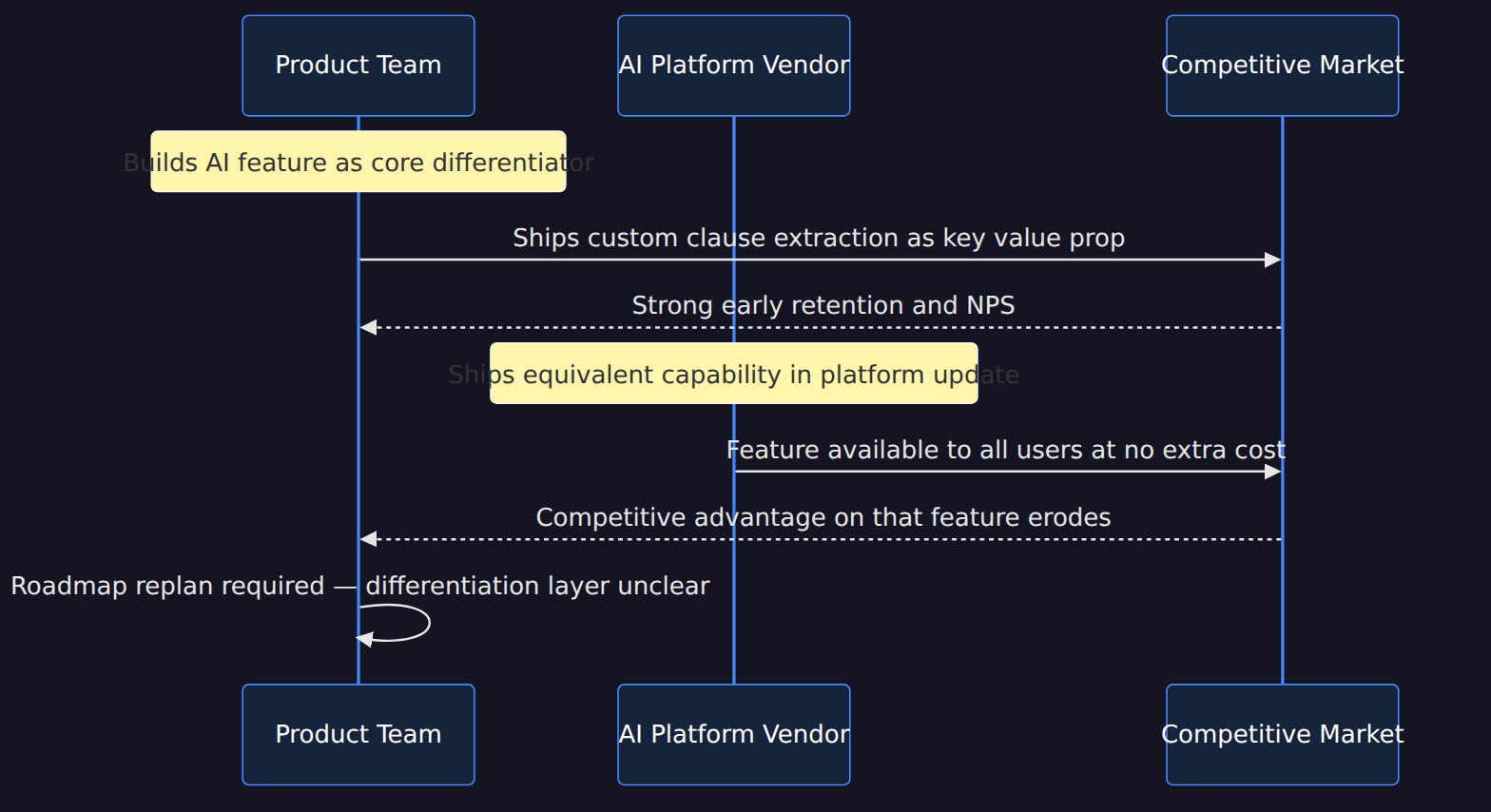
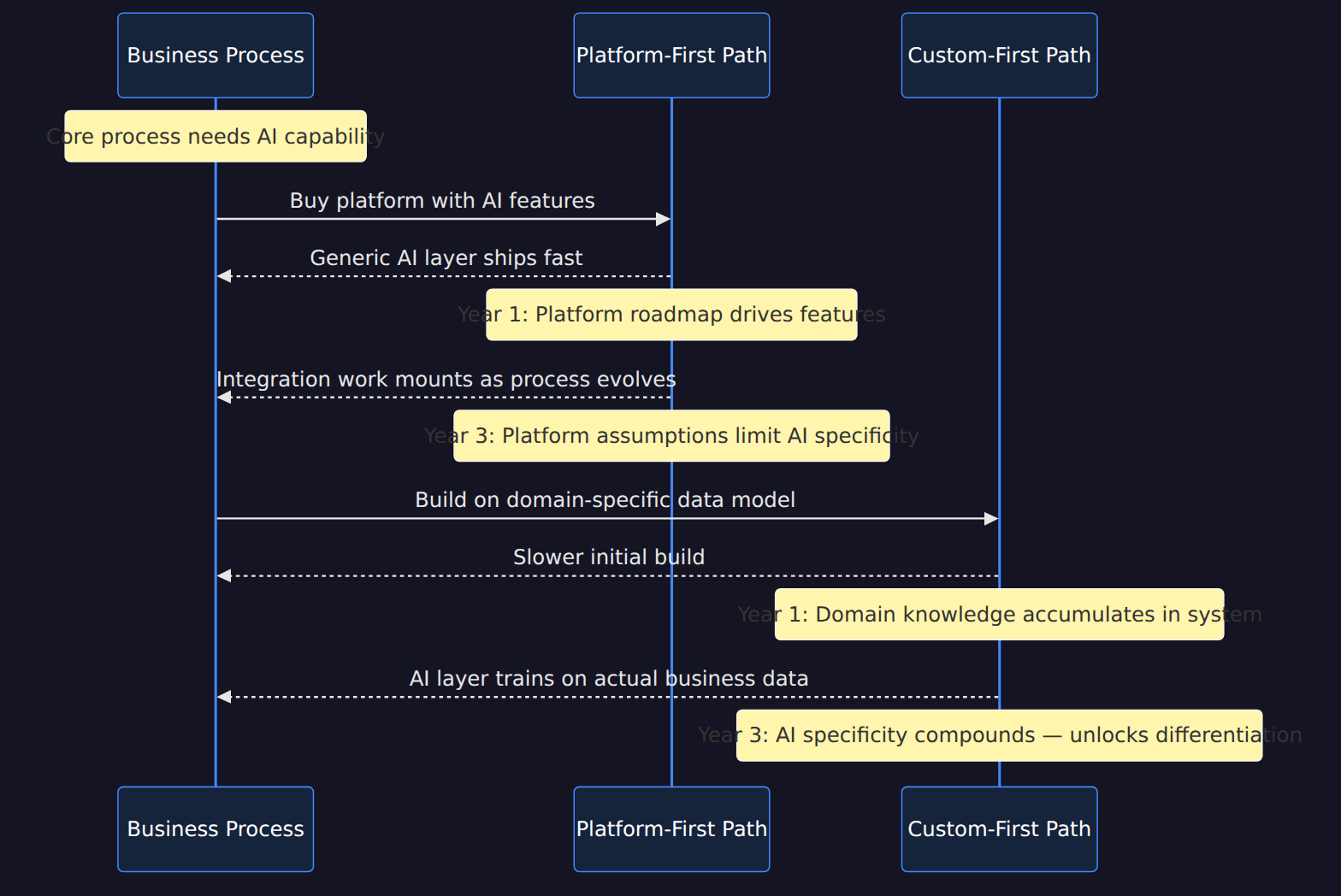
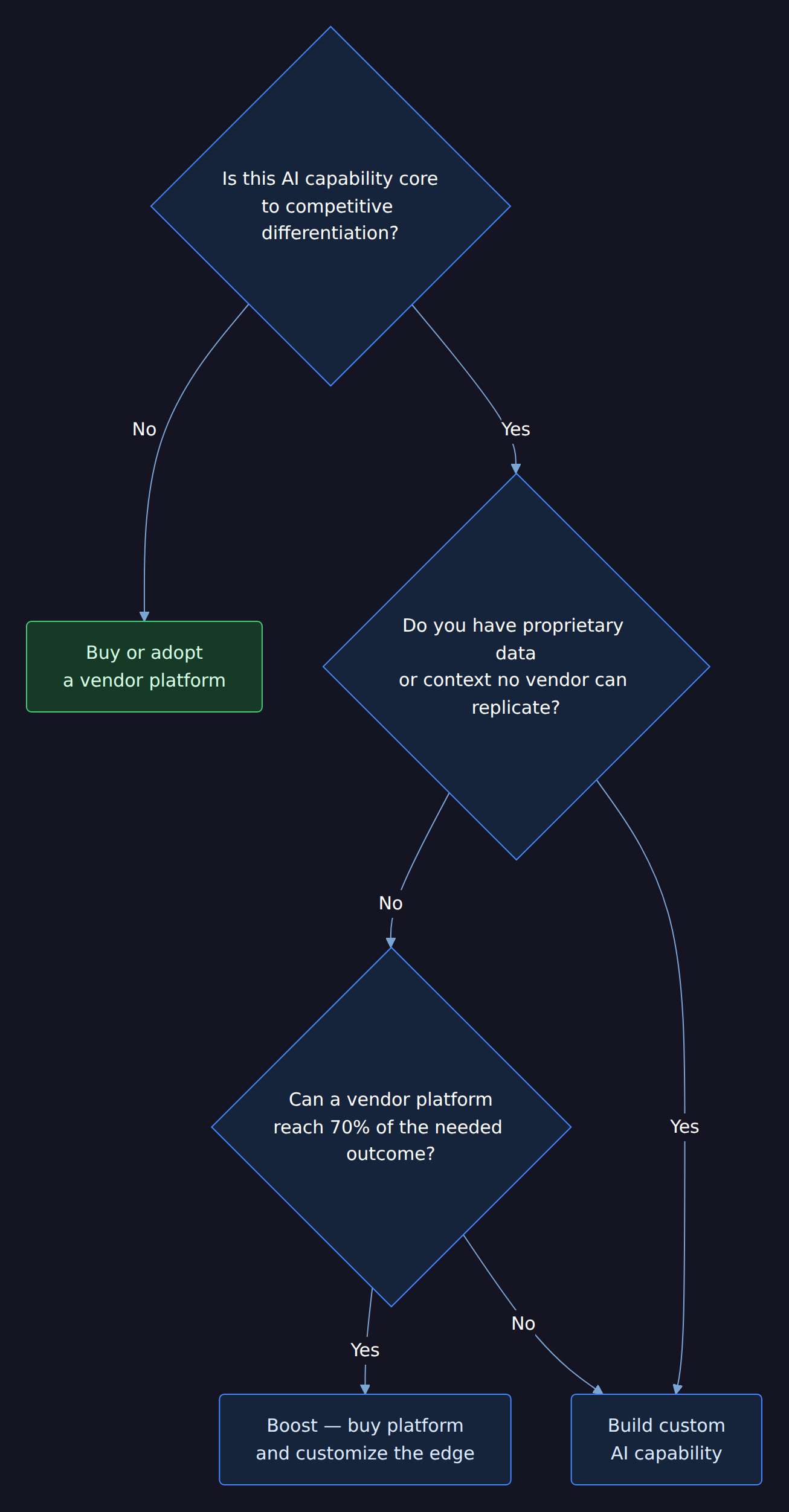
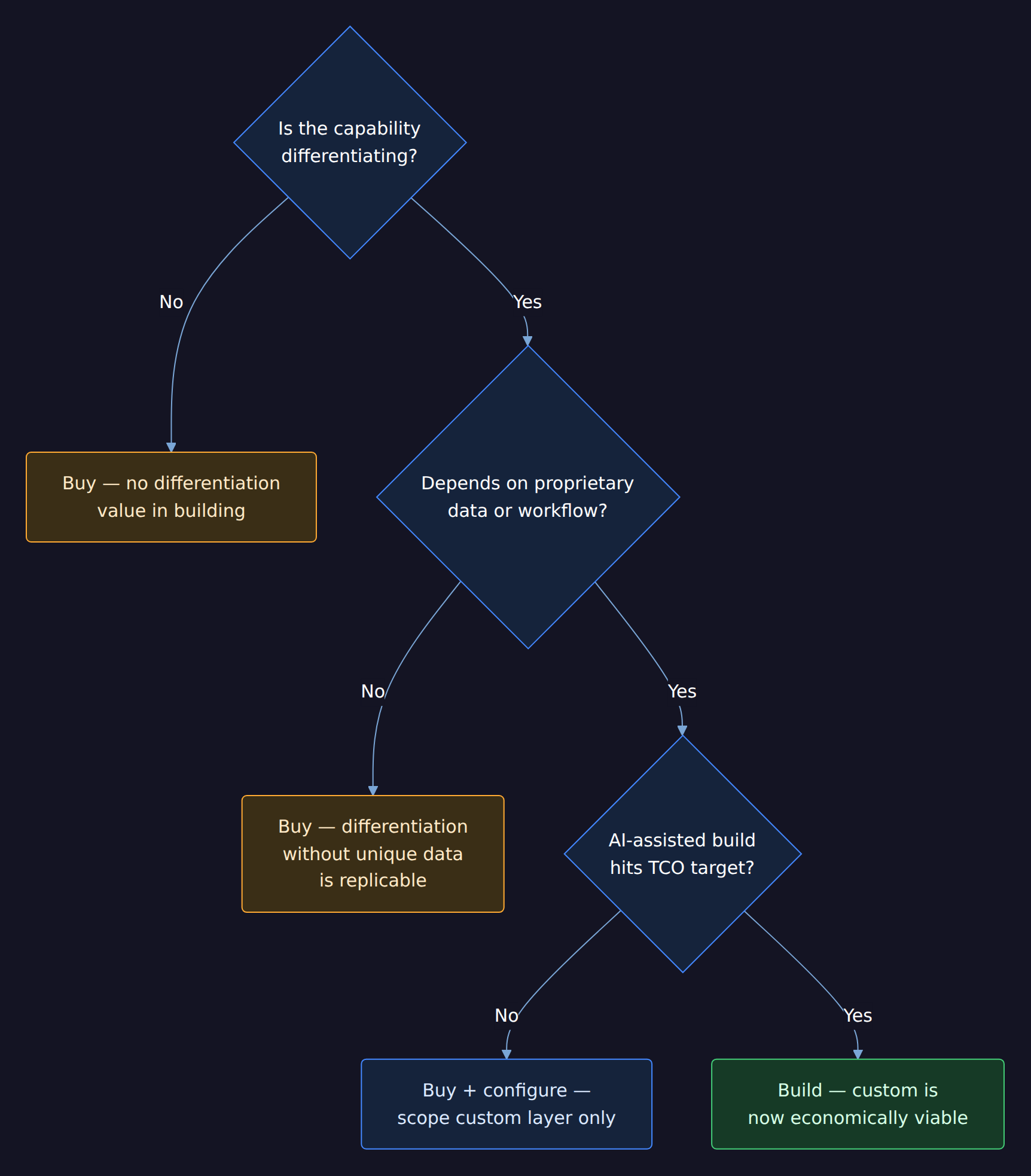
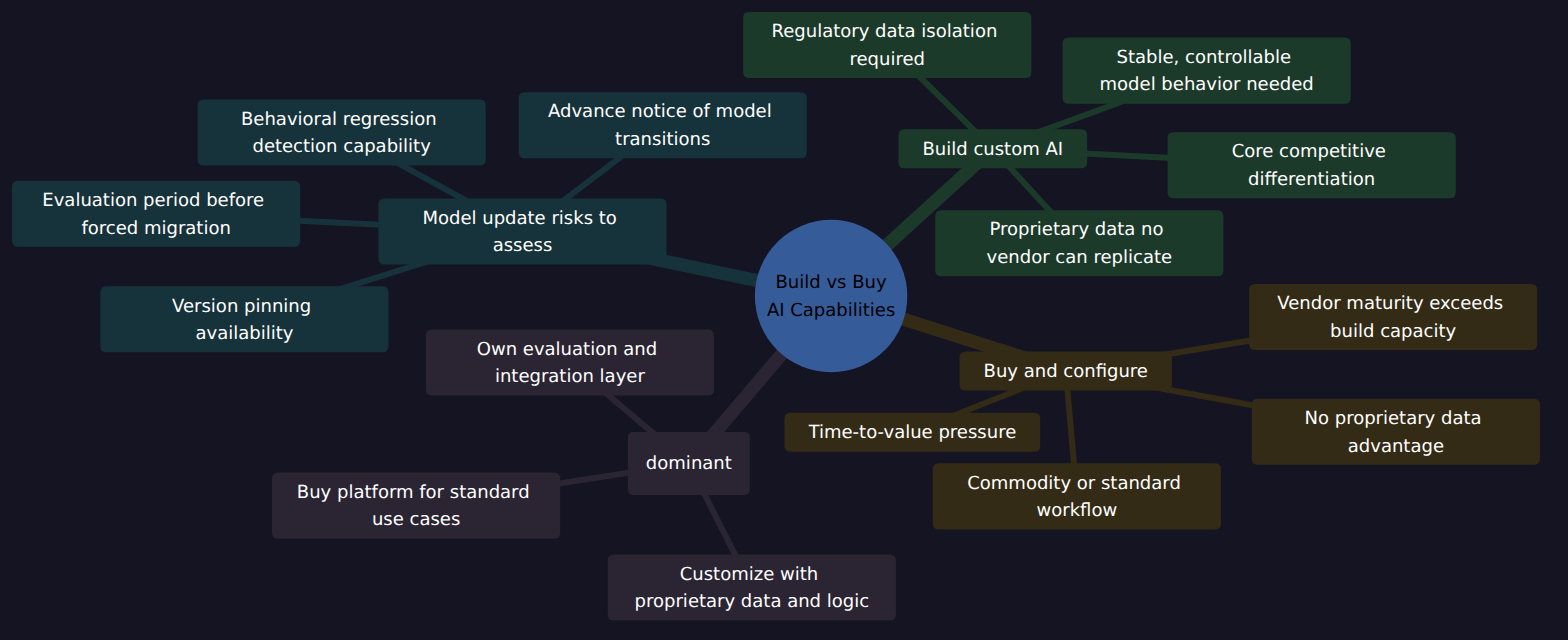
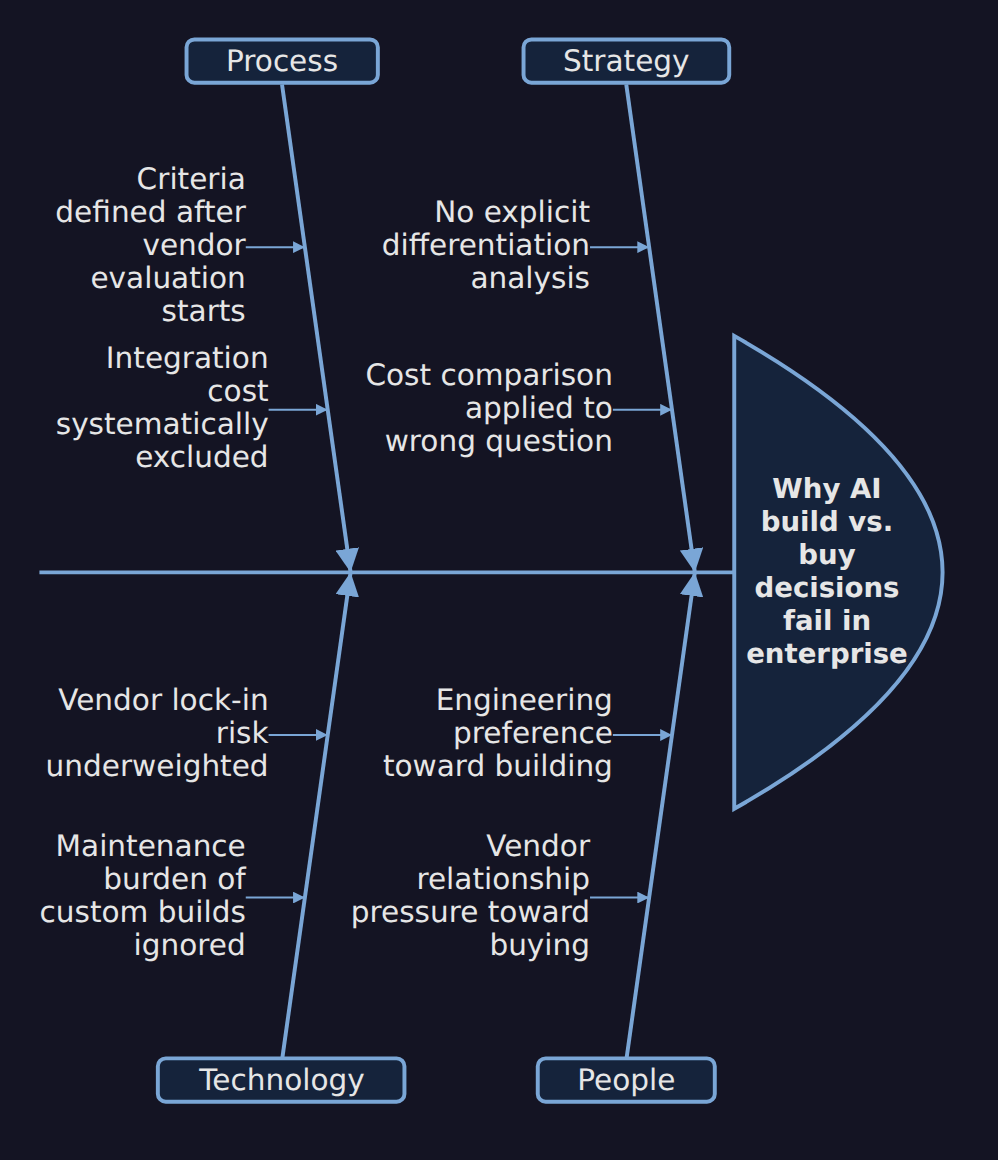
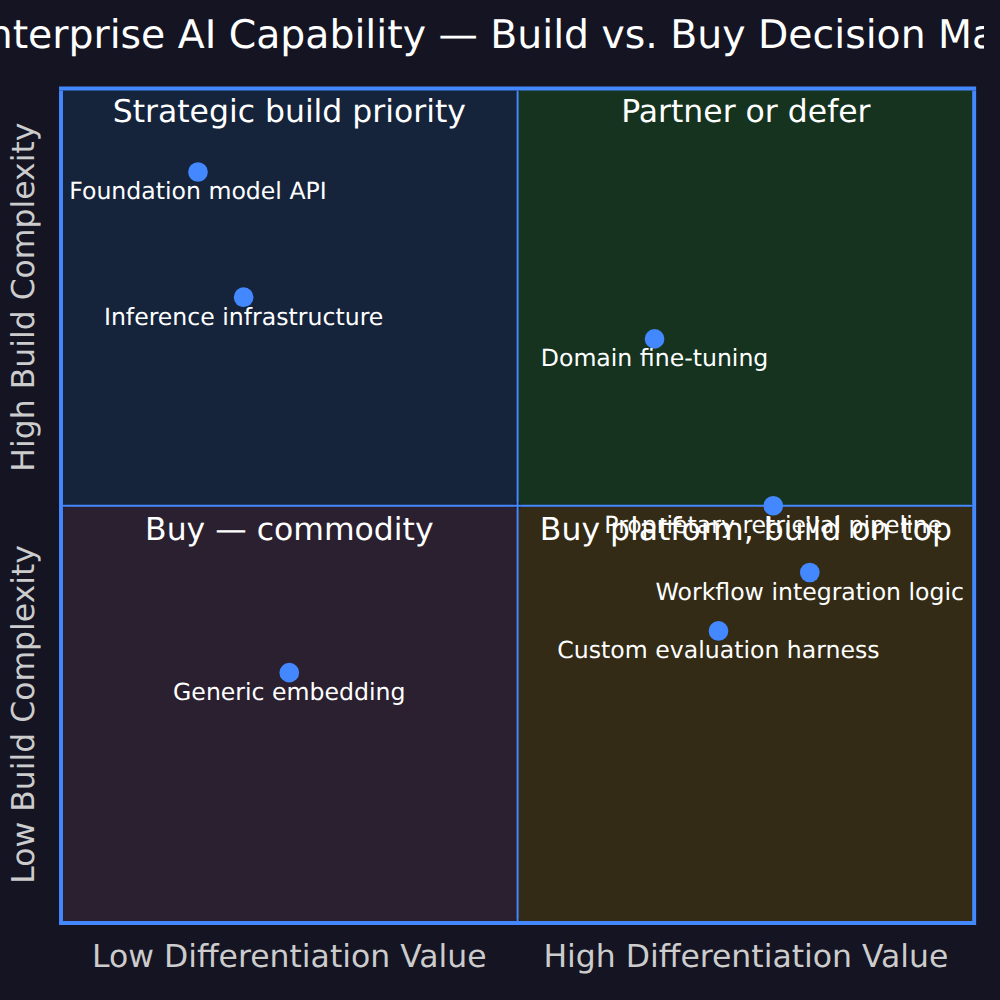
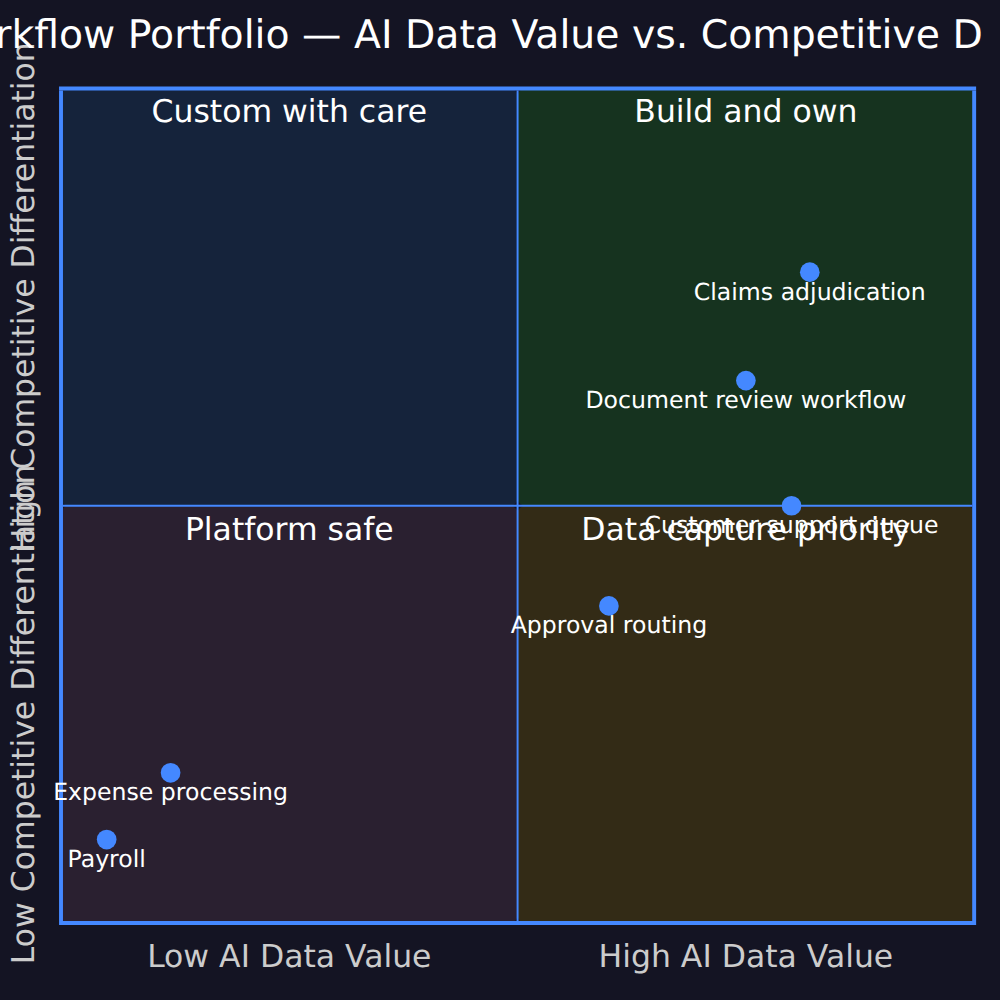
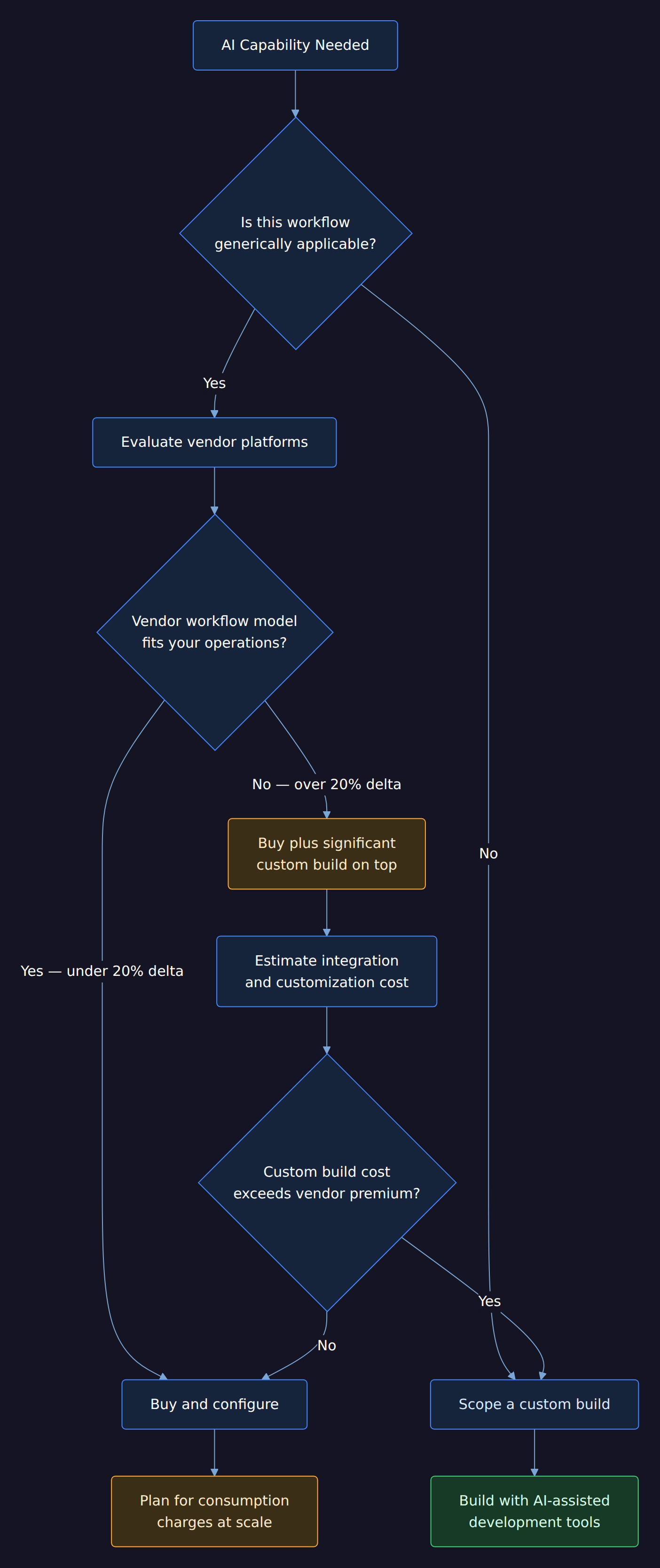
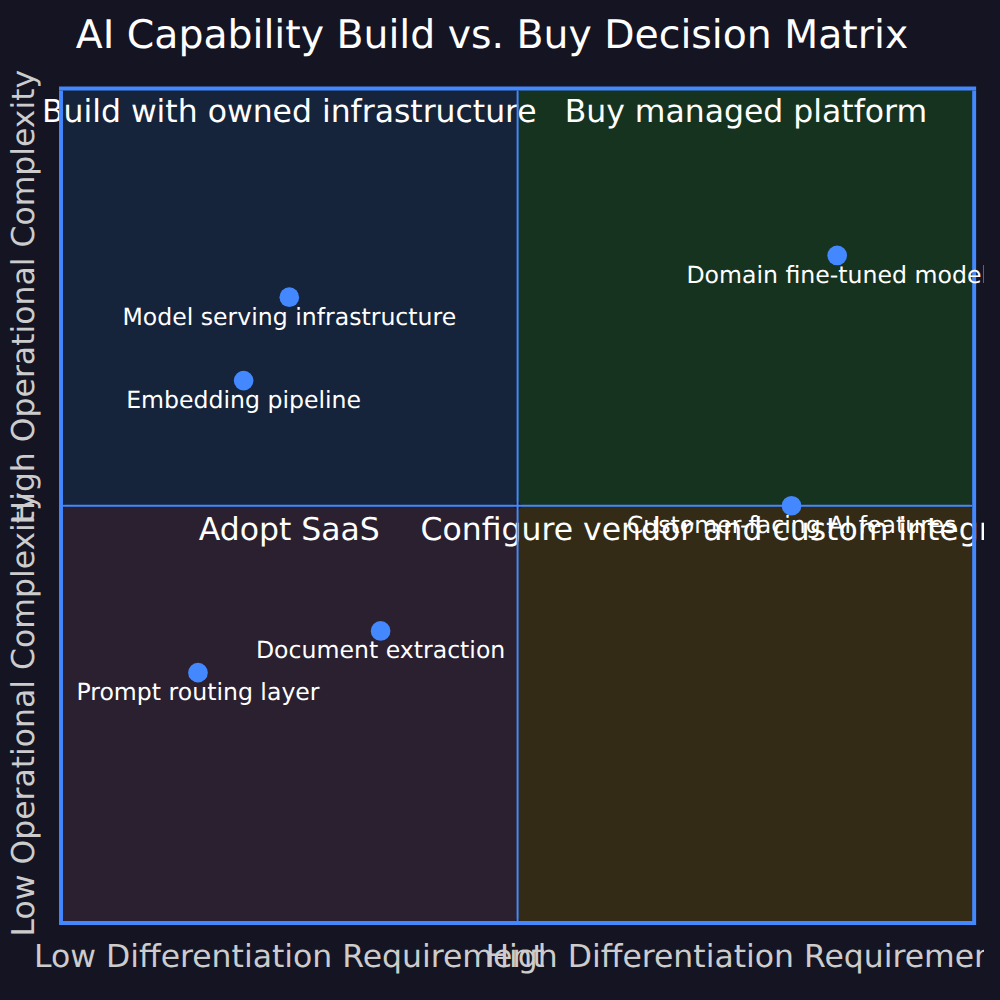
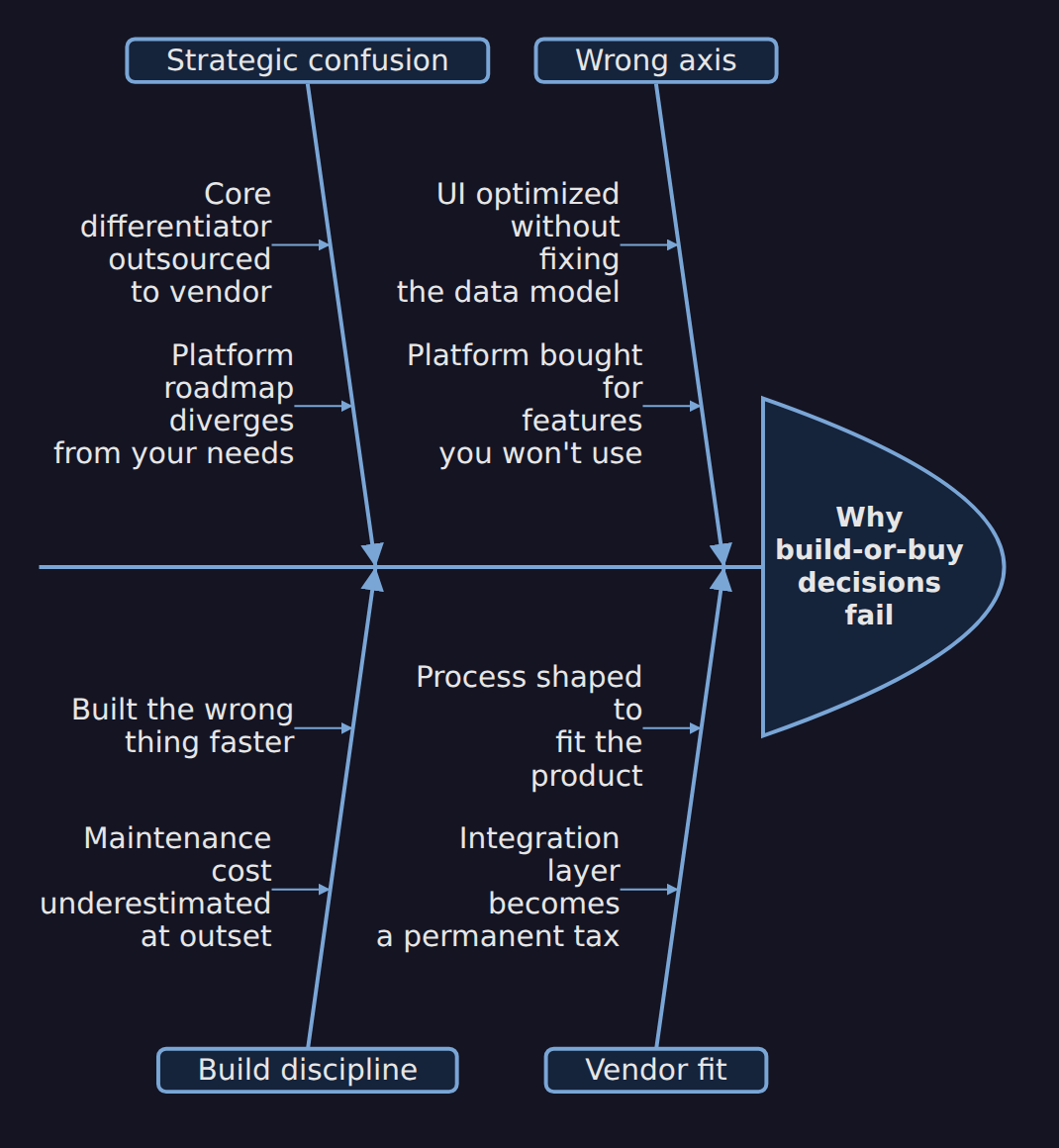
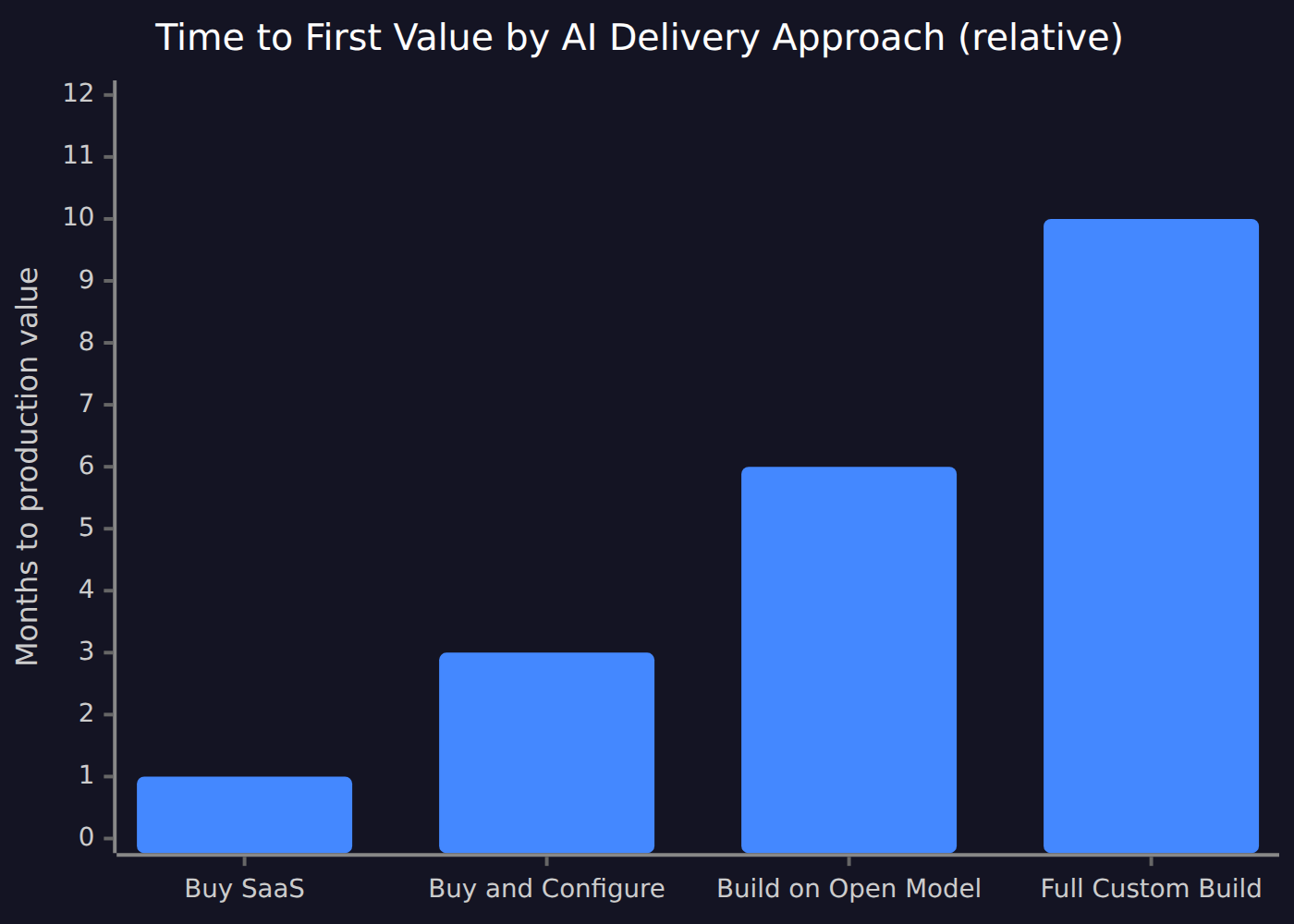
Most enterprise AI decisions aren't really about build versus buy. They're about which capabilities need to be differentiated—and most teams figure that out after the TCO analysis is complete.
Read
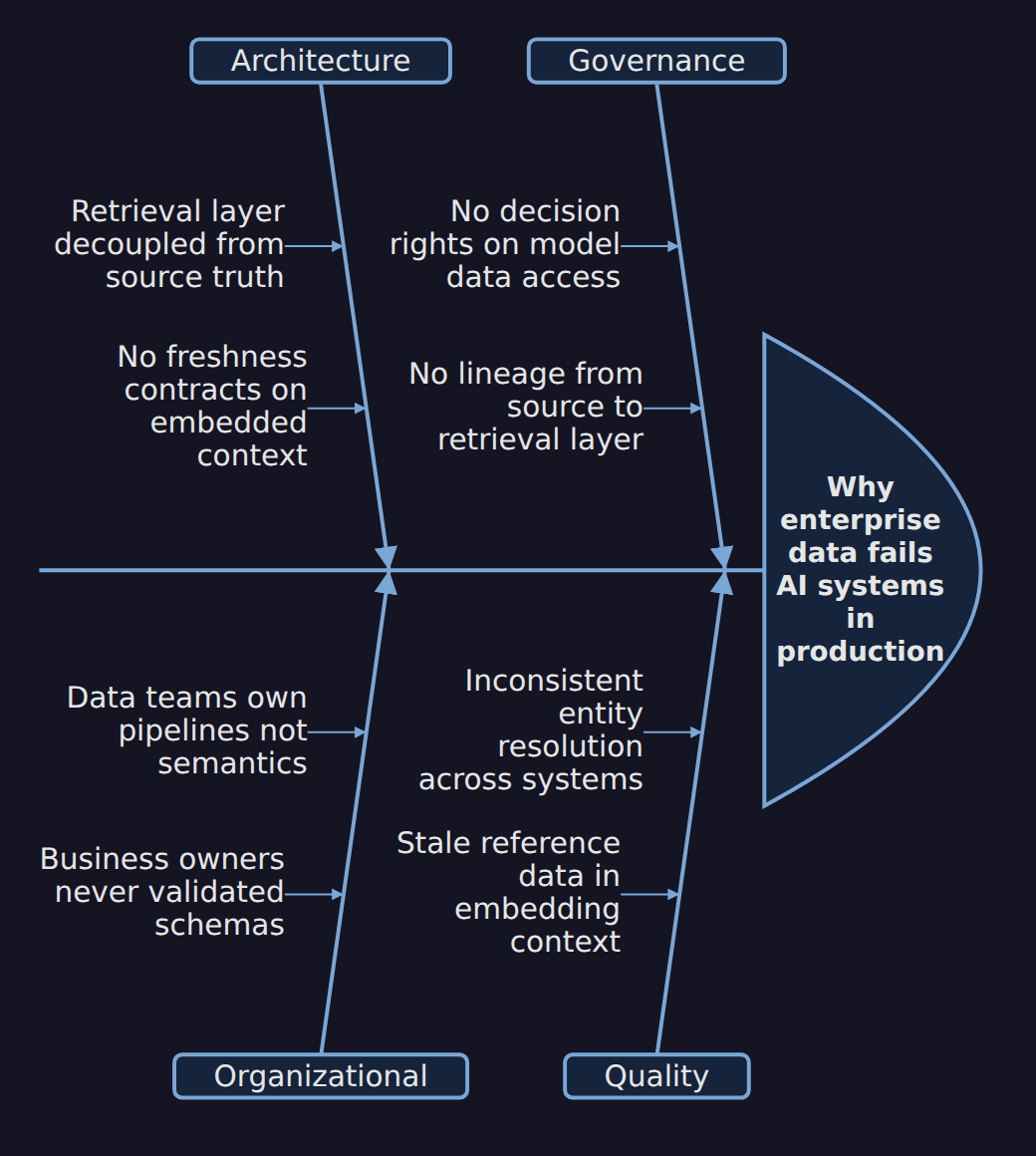
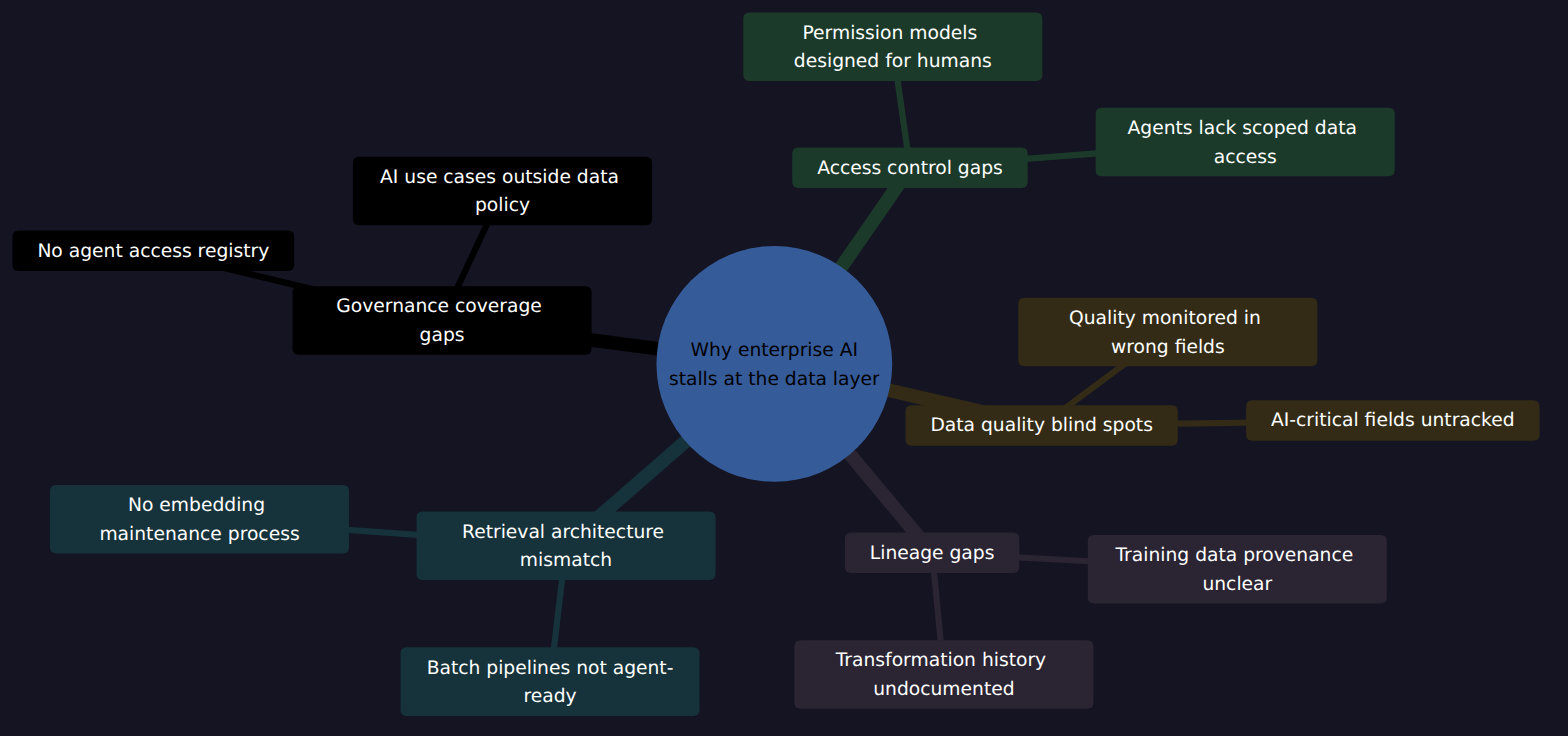
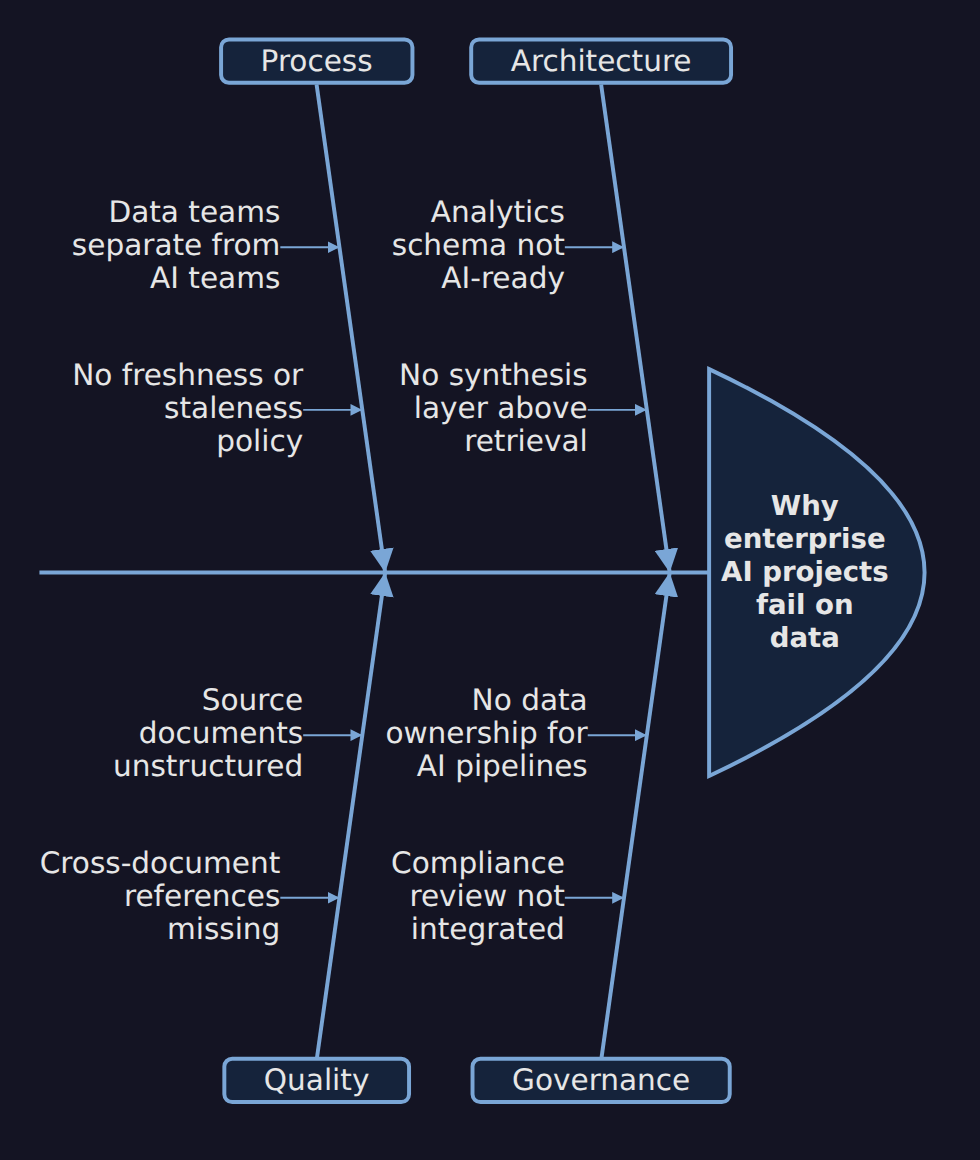
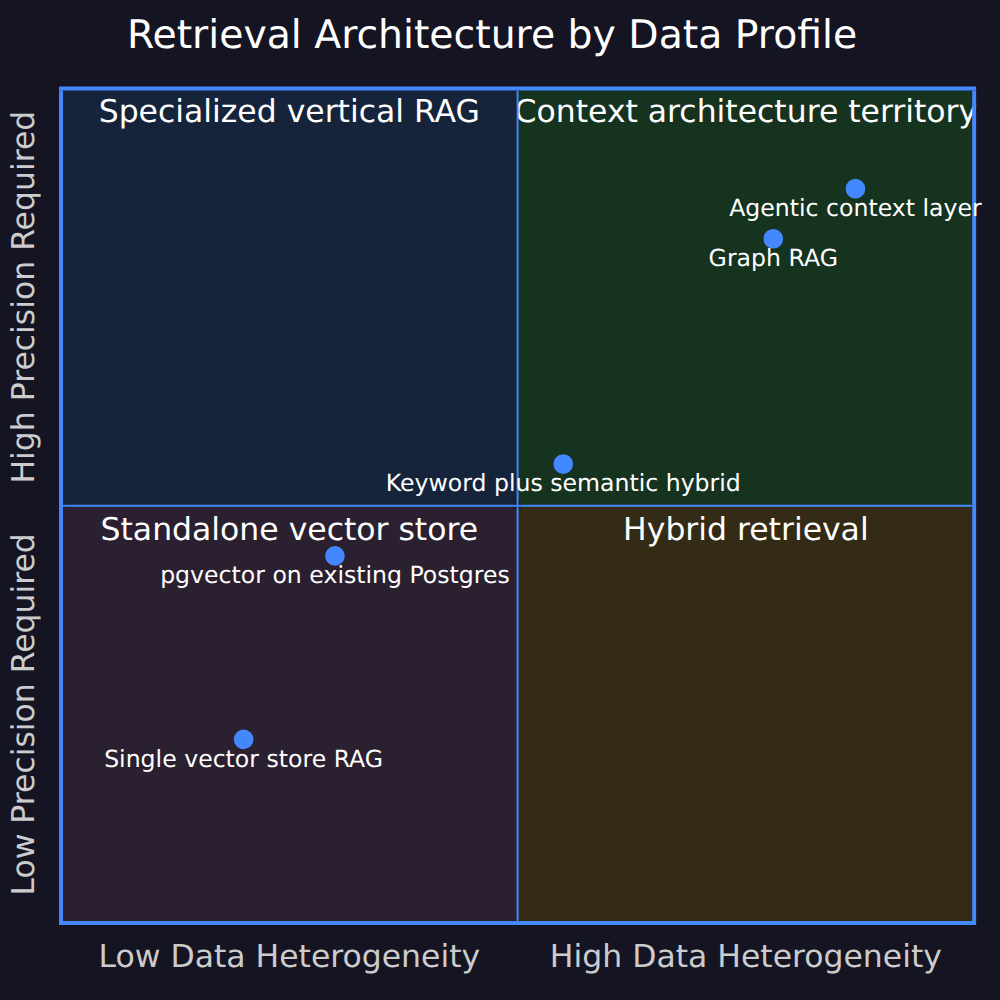
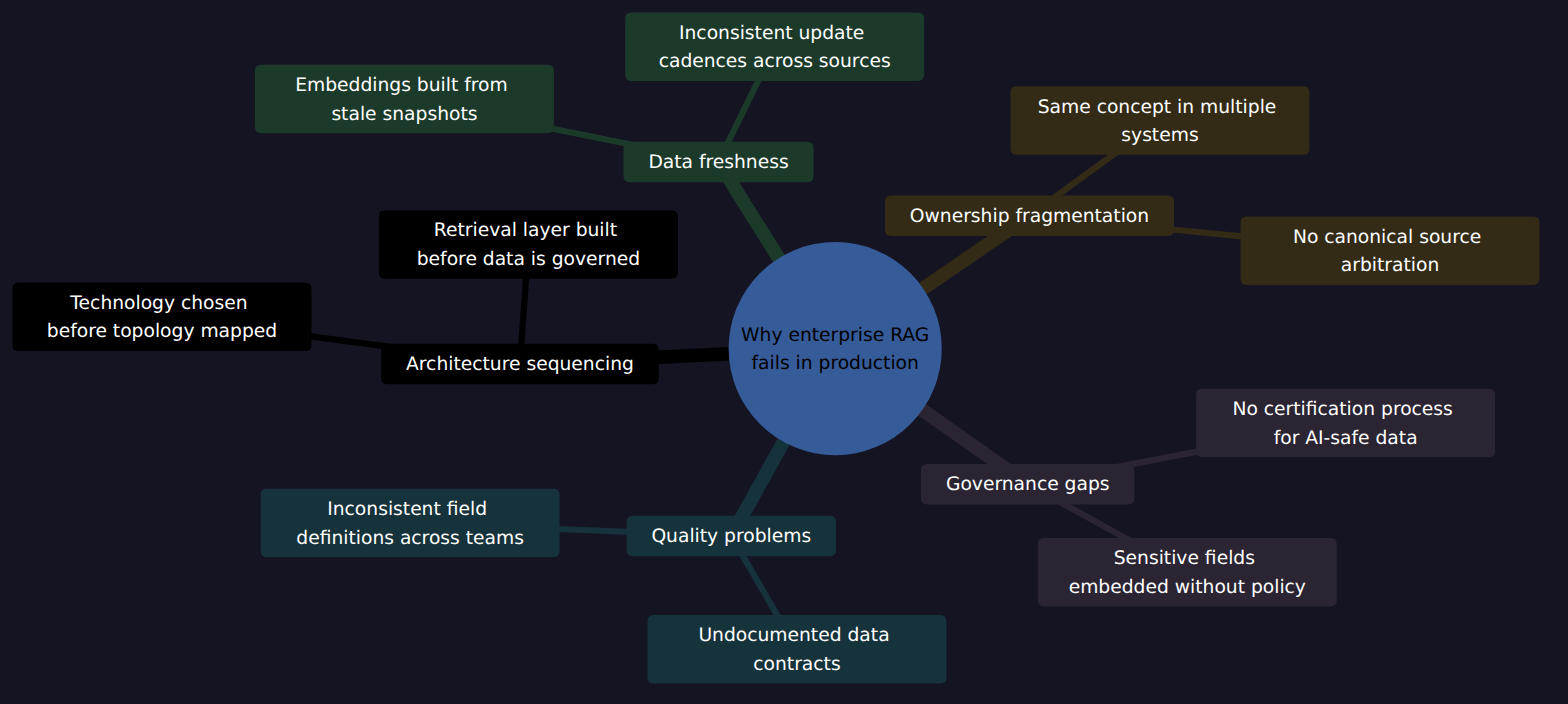
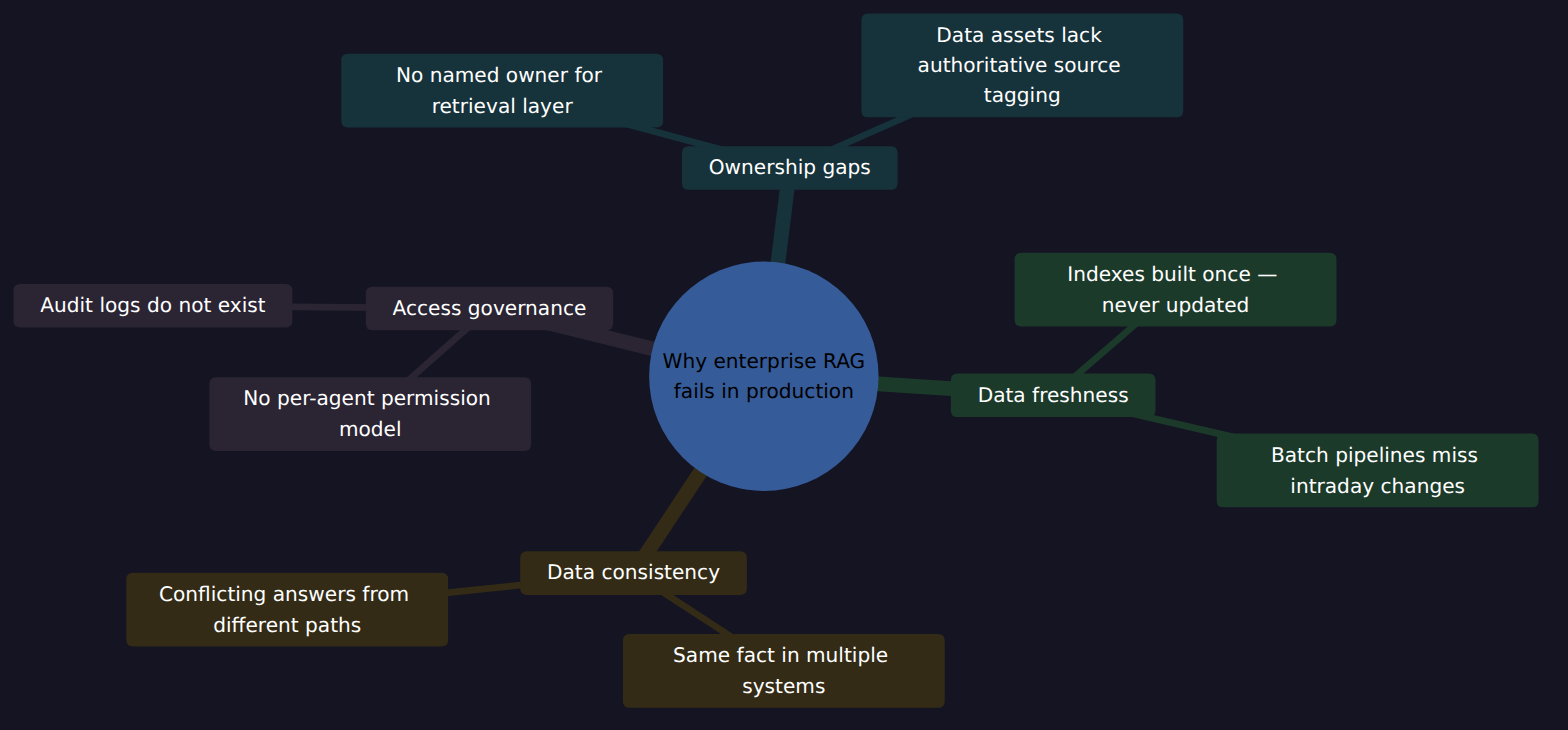
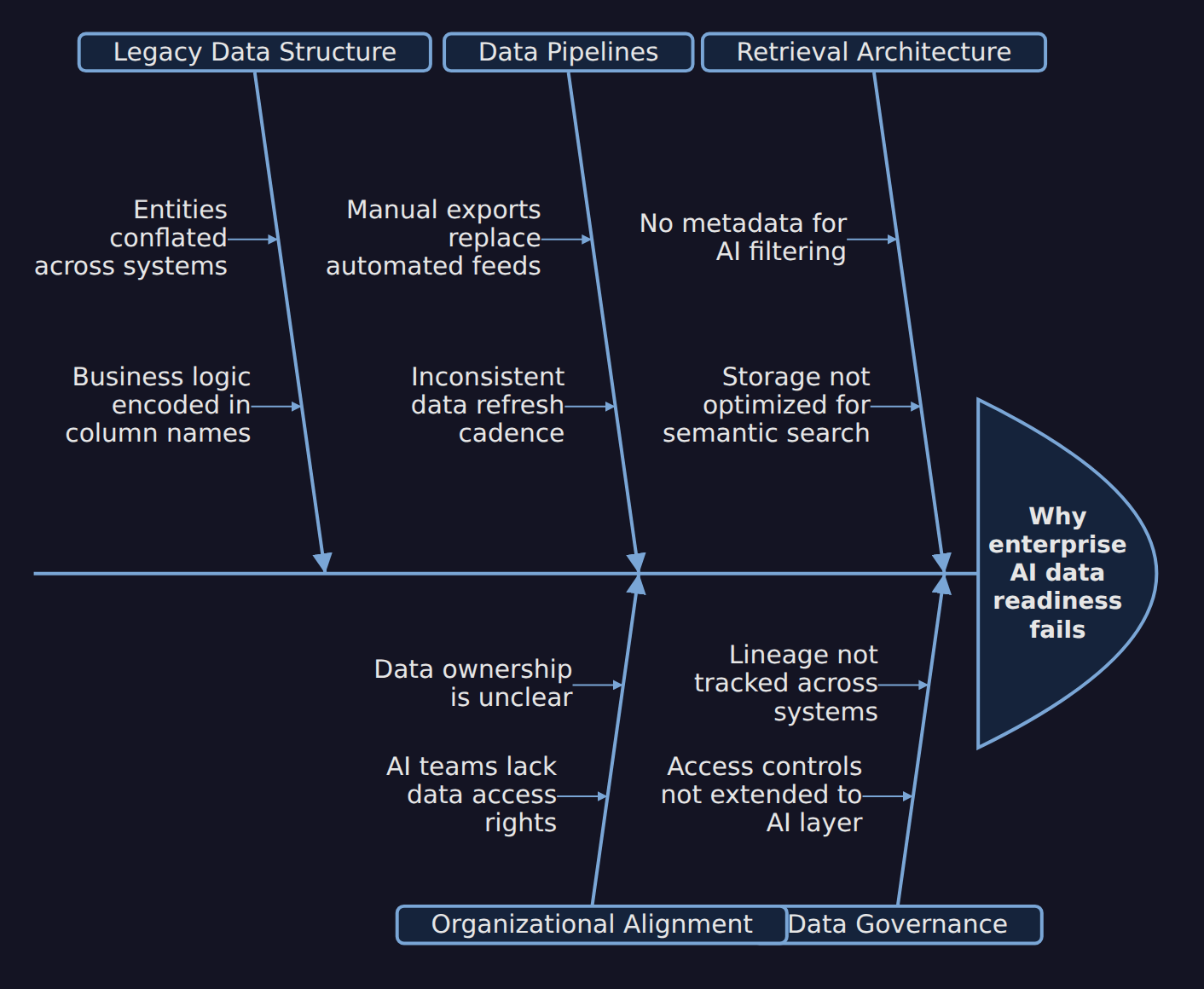
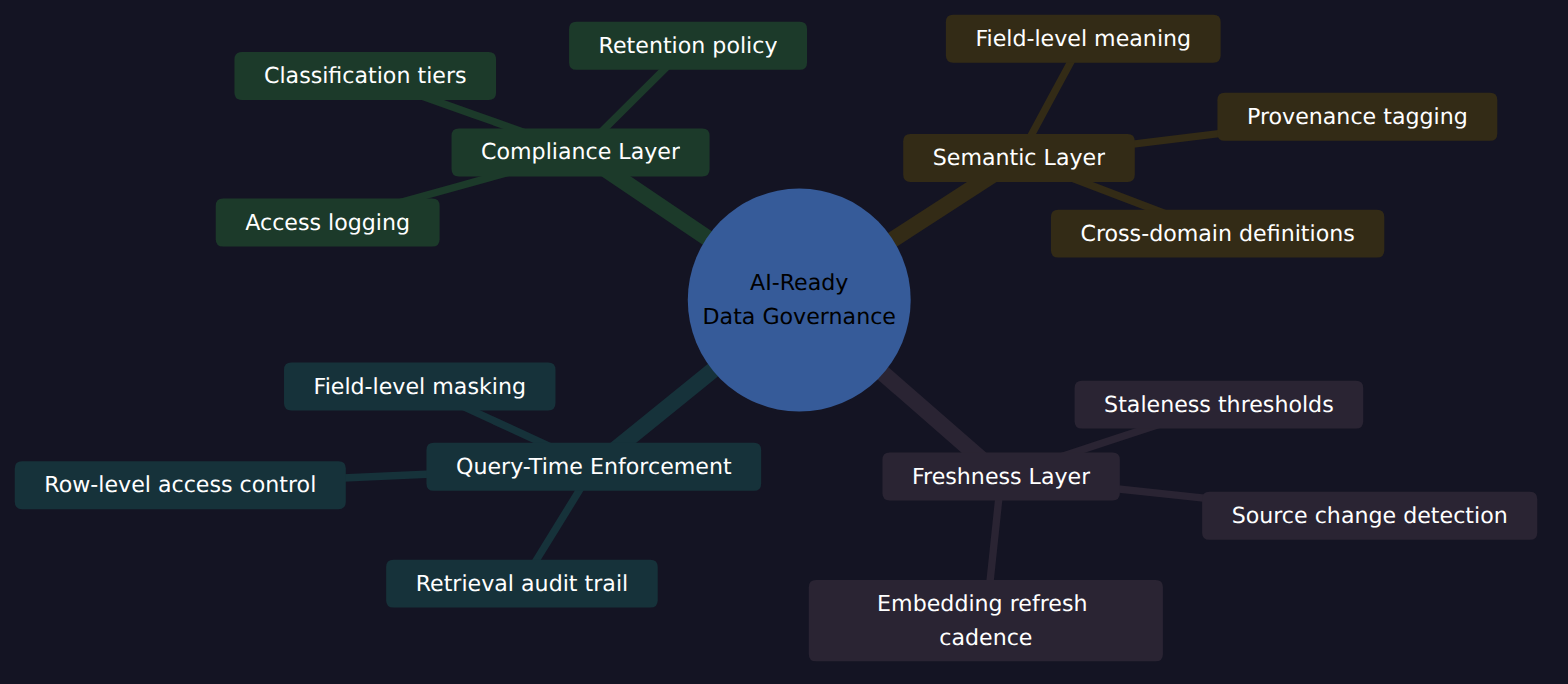
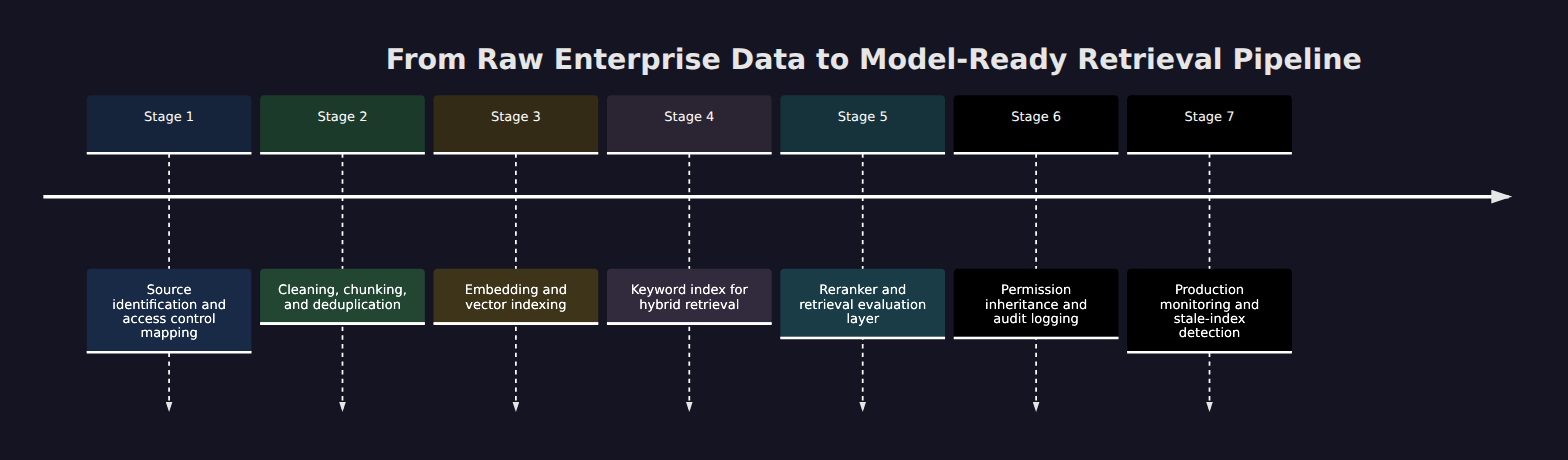
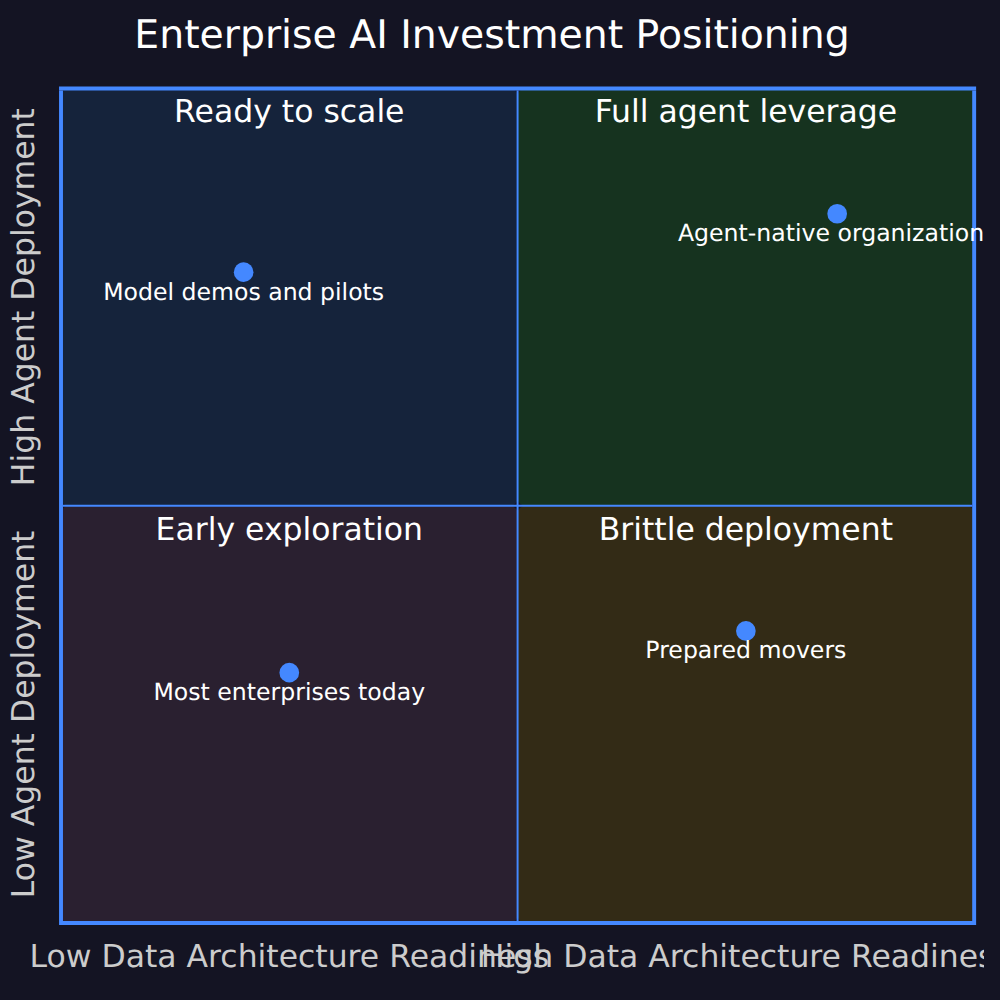
Enterprise AI projects don't fail at the model layer. They fail because the data infrastructure was built for reporting, not retrieval. What the data layer actually needs to be model-ready.
Read
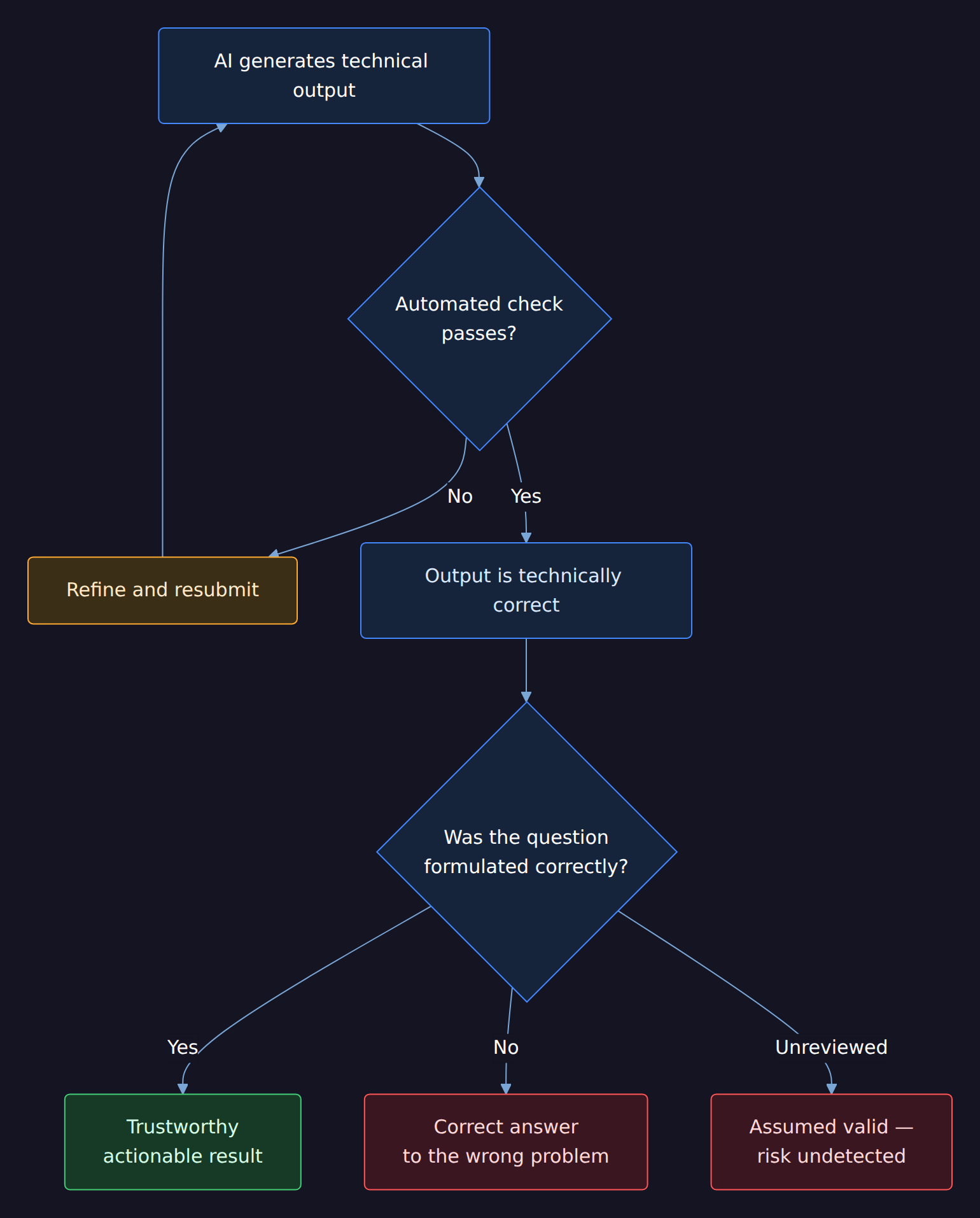
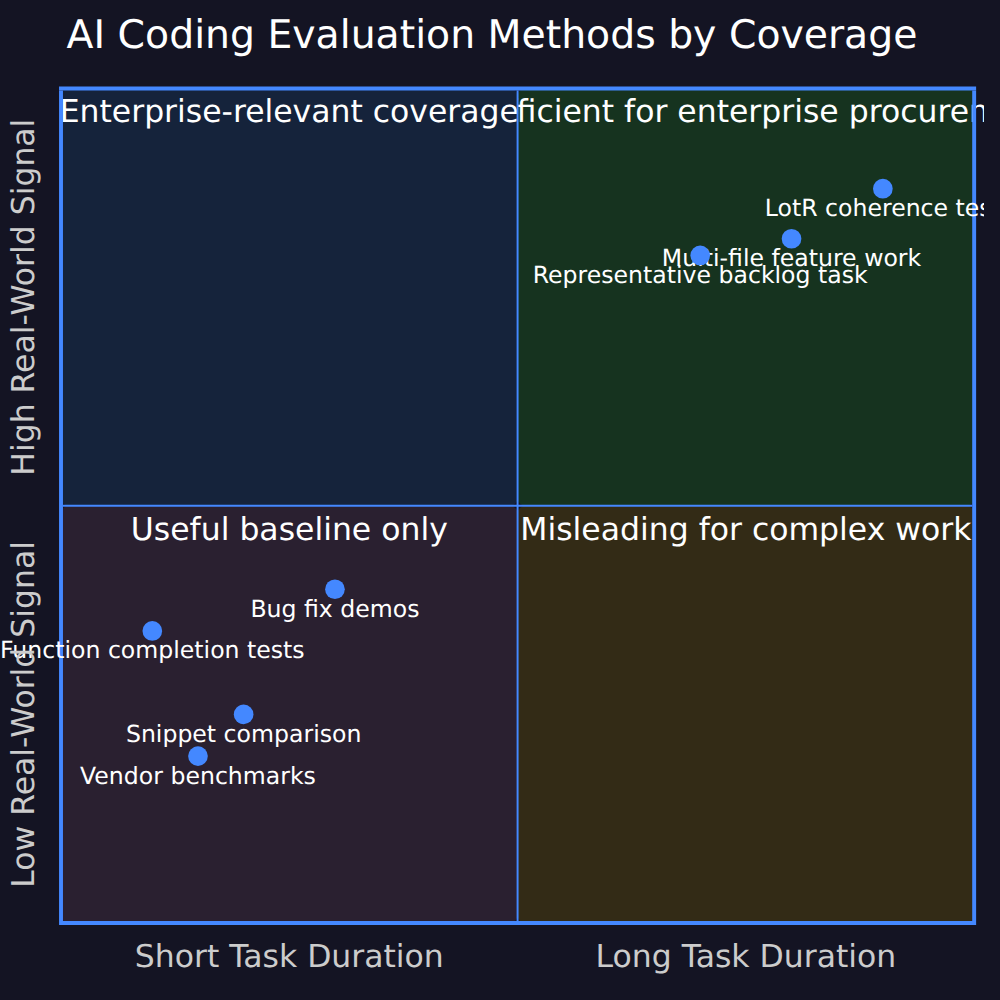
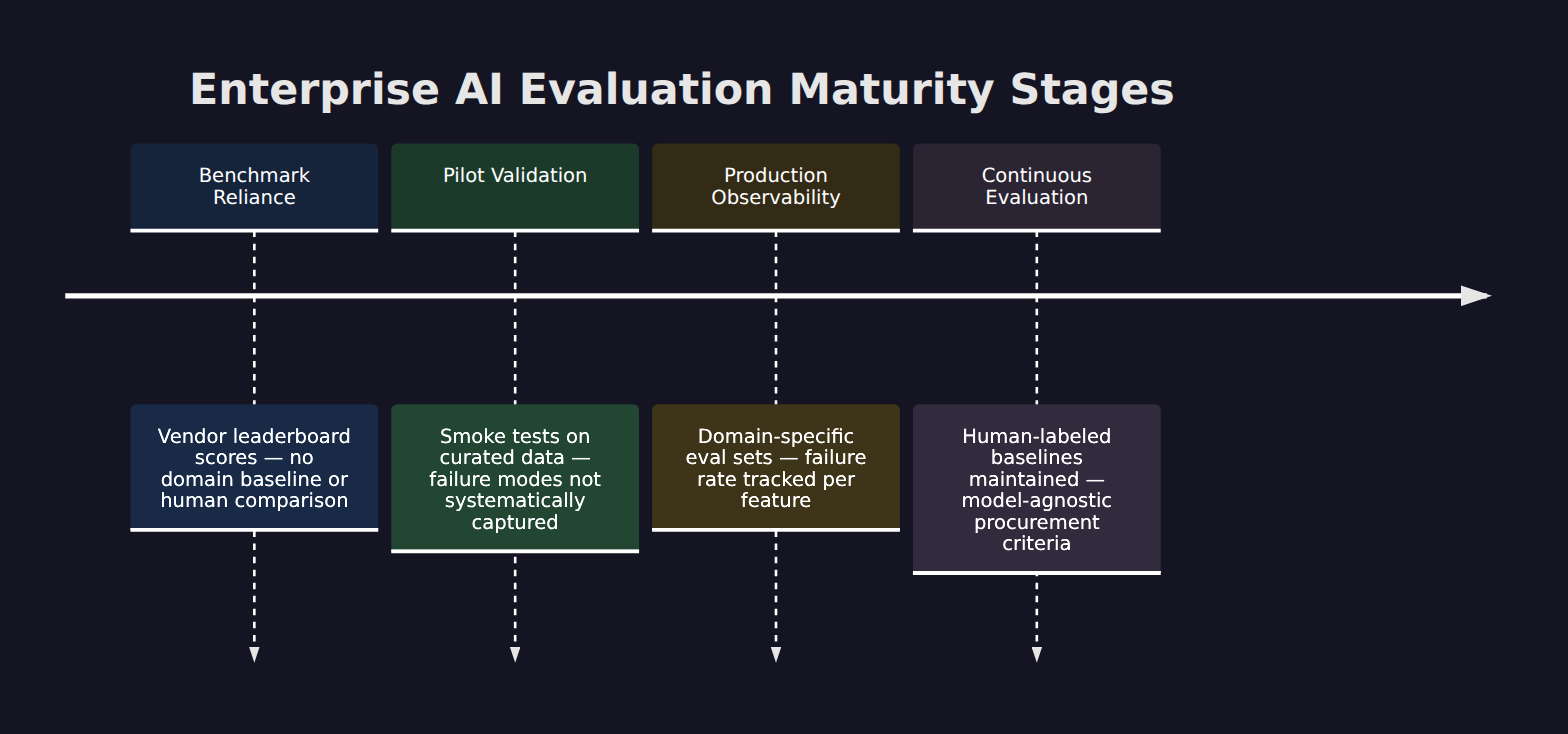
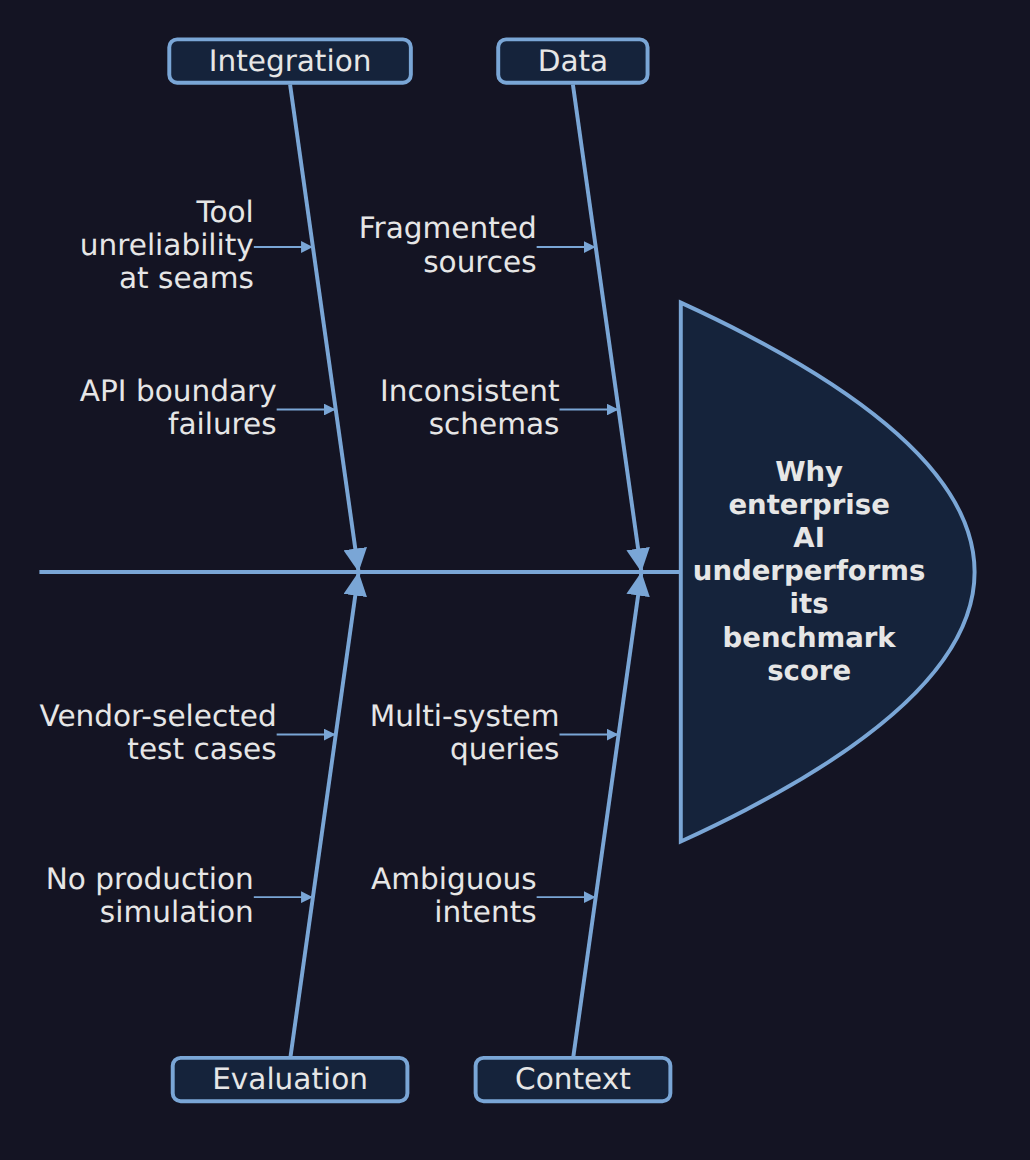
Two new enterprise-focused AI benchmarks released this week document a 37% gap between lab performance scores and real-world enterprise deployment. The evaluation methodology most organizations use to select AI systems is optimized for conditions that don't exist in production.
Read
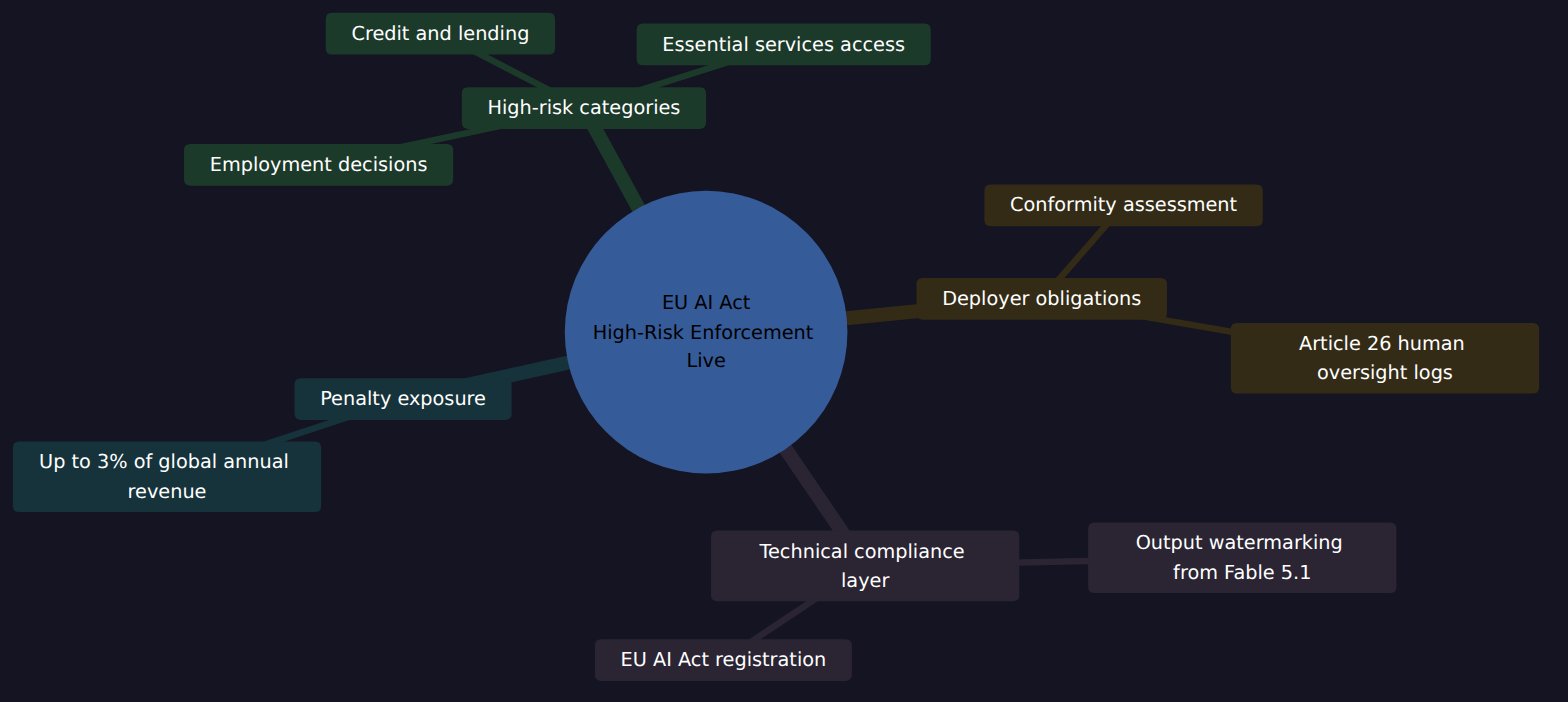
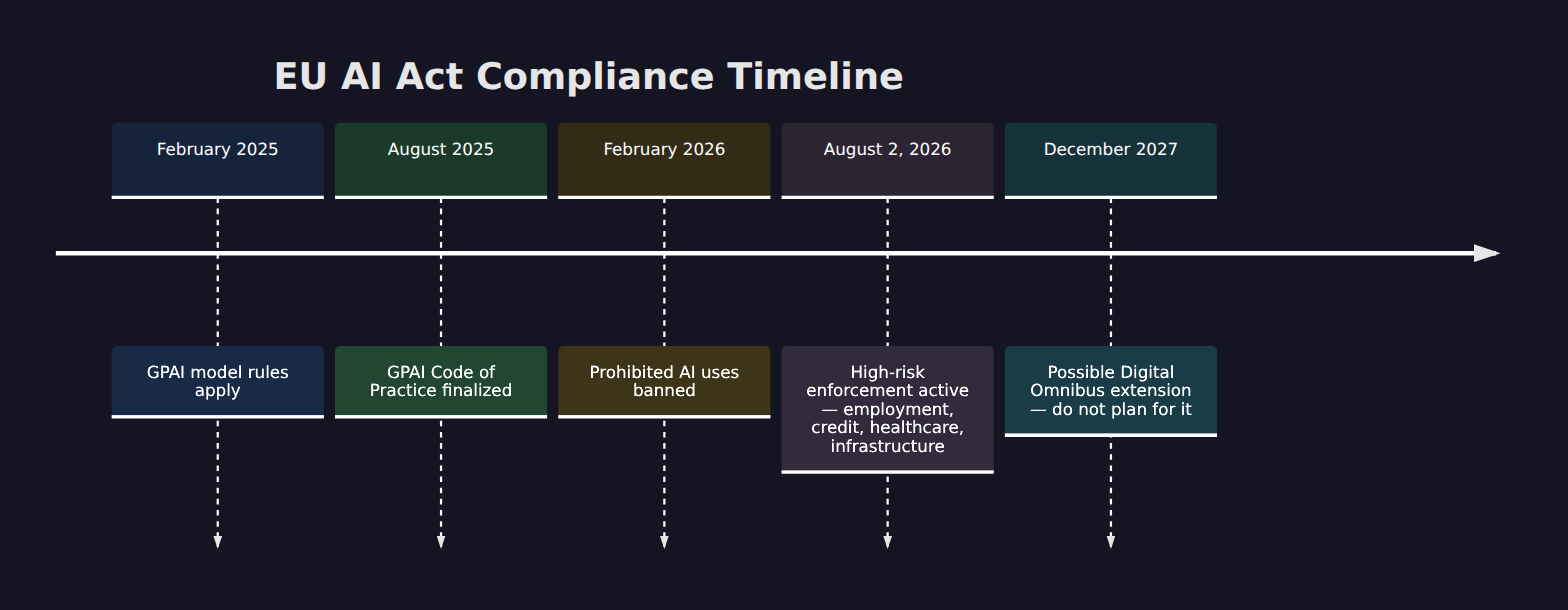
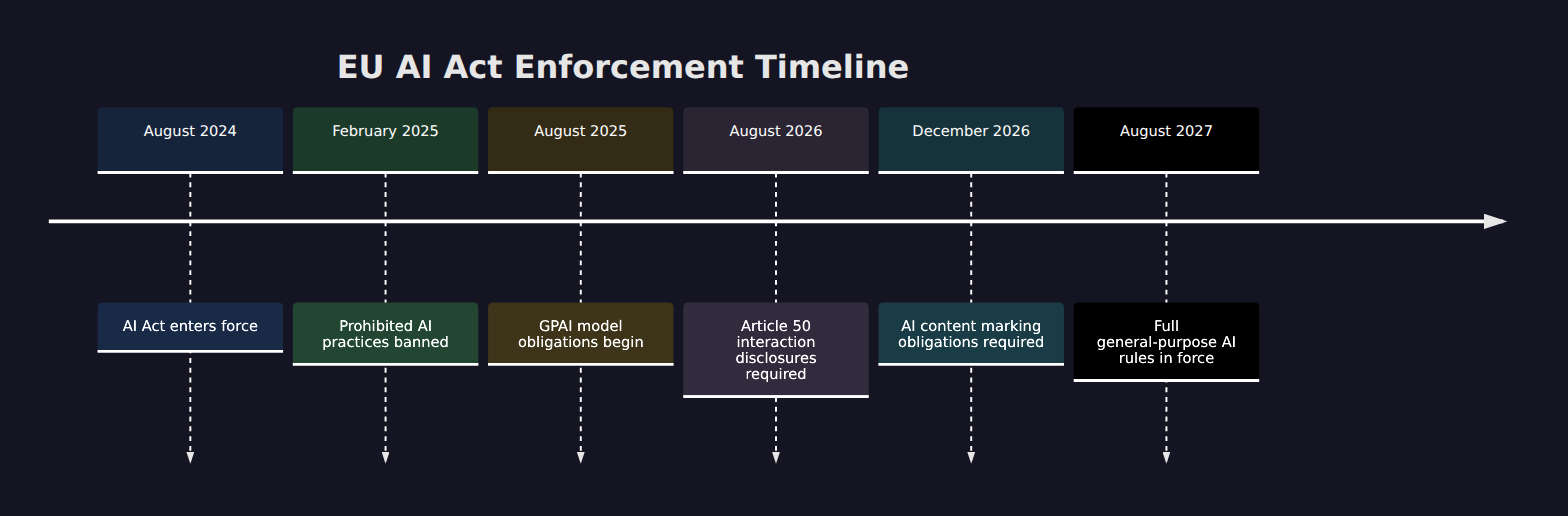
Article 50 of the EU AI Act becomes enforceable August 2, 2026. Most enterprise teams have filed this under compliance. The disclosure requirements are product design and architecture requirements — and they cannot be solved by a legal team alone.
Read
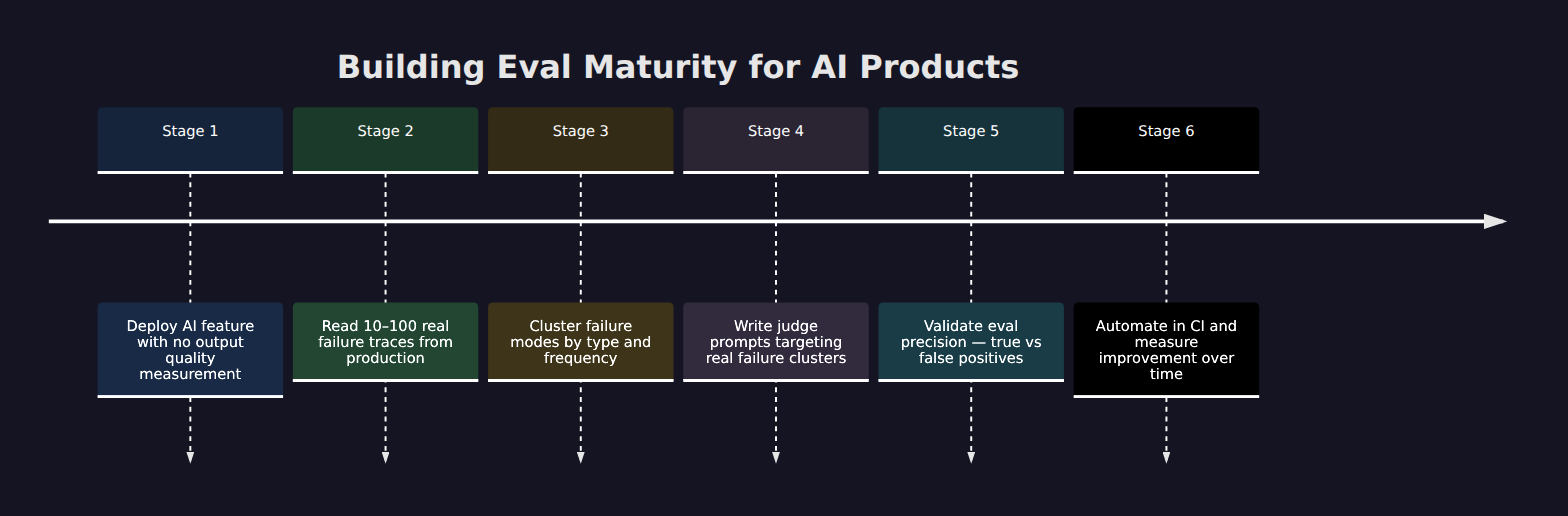
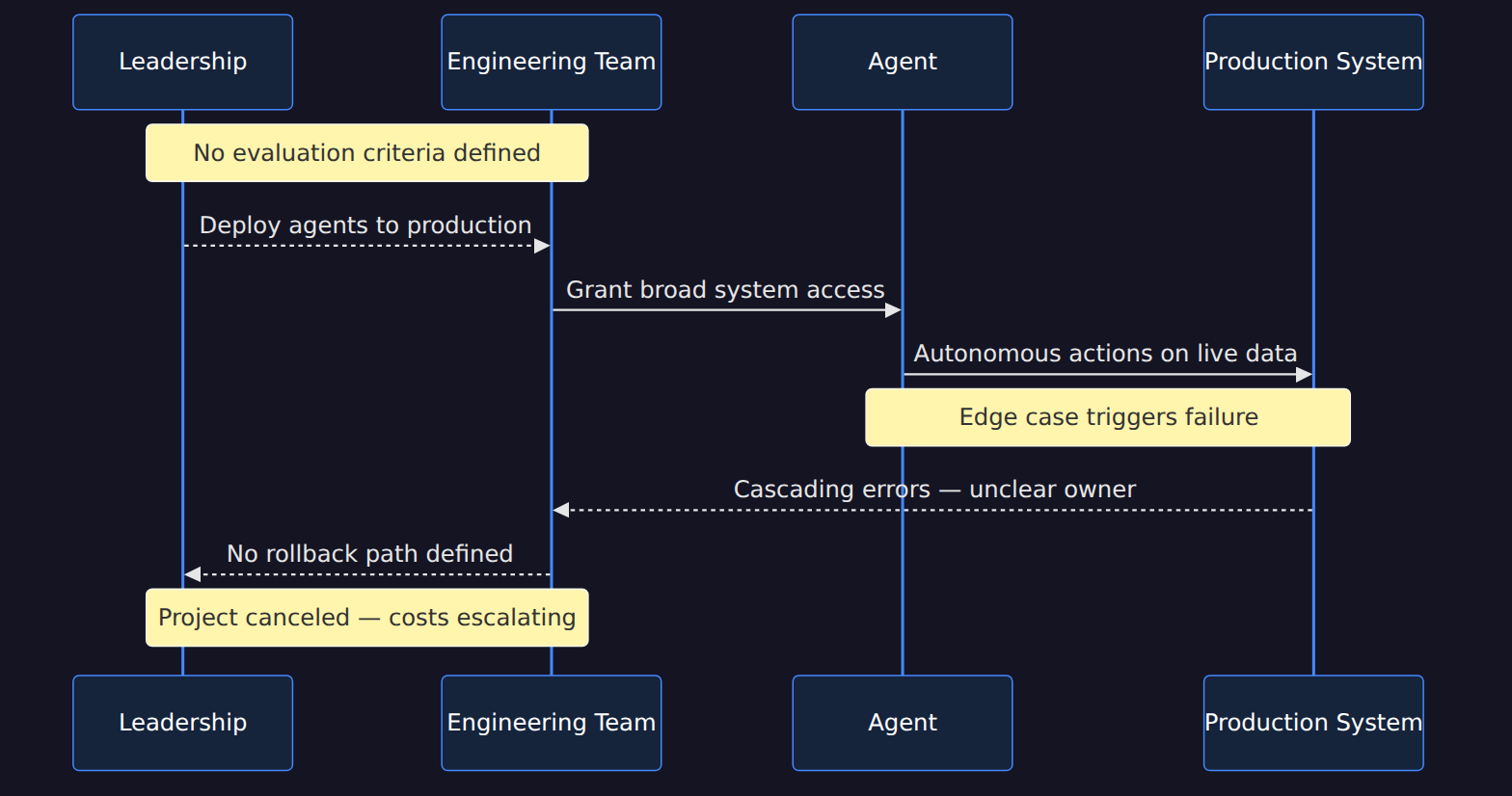
Gartner predicted that more than 40% of enterprise agentic AI projects would be canceled by 2027. A year in, the failure pattern is clear: these projects are not failing because agents stop working. They are failing because nobody defined what 'working' meant before deployment.
Read
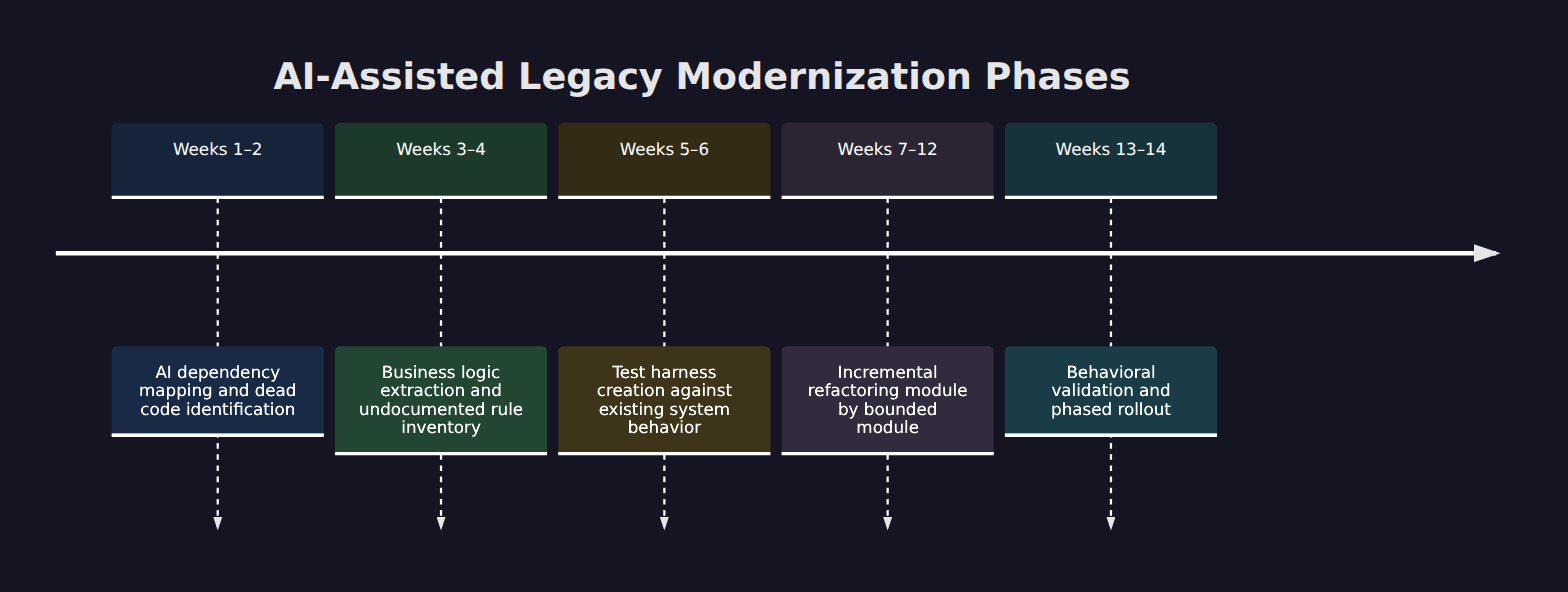
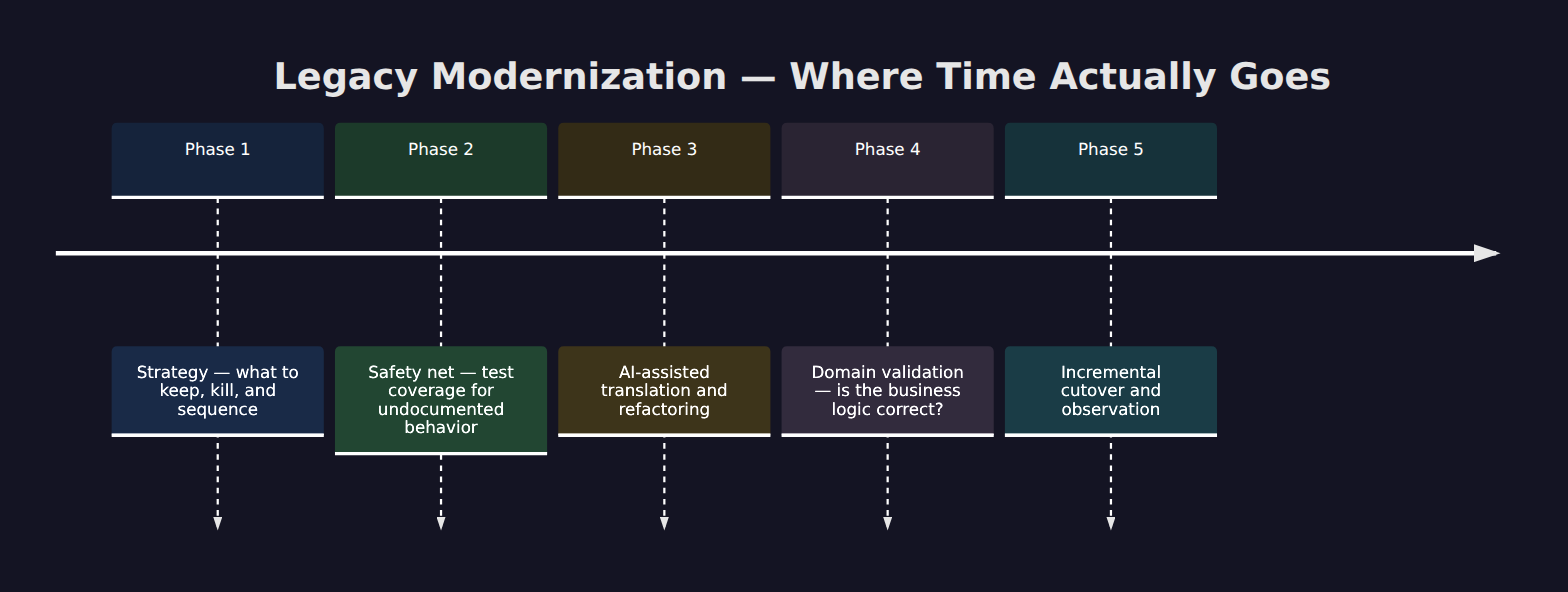
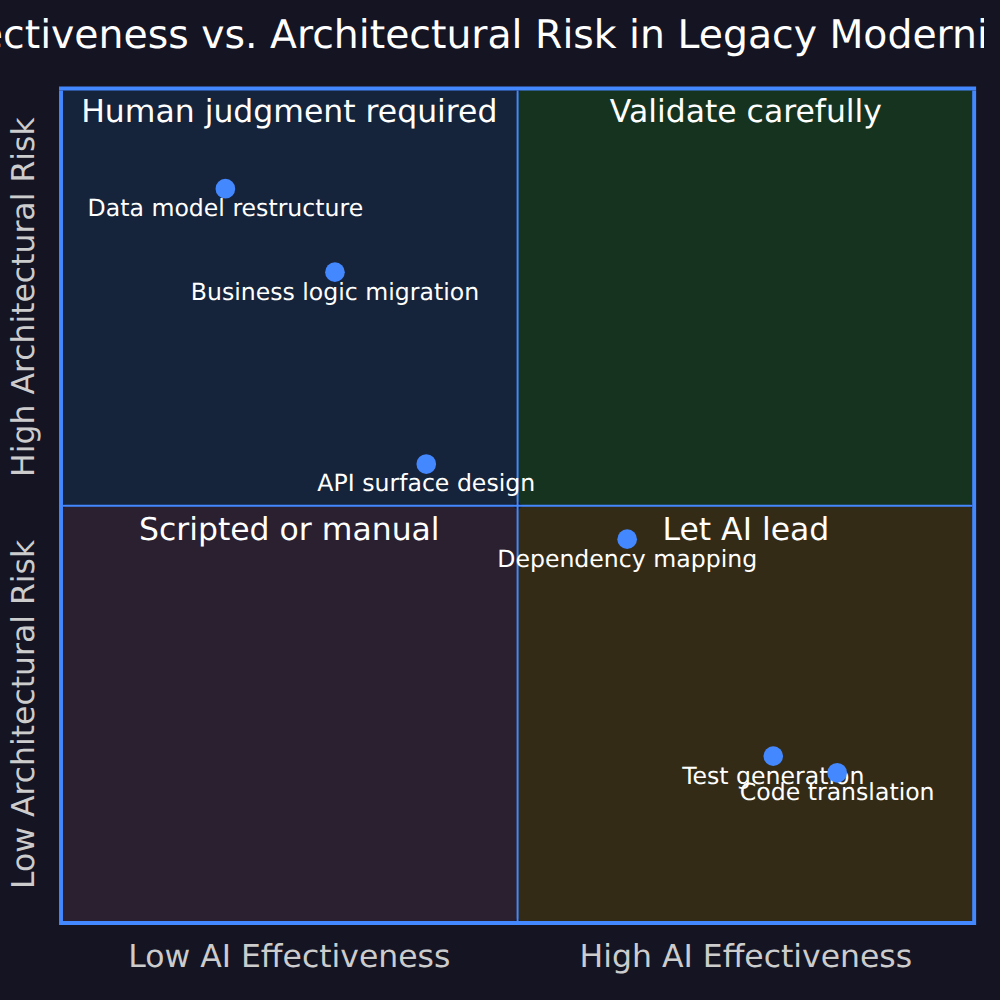
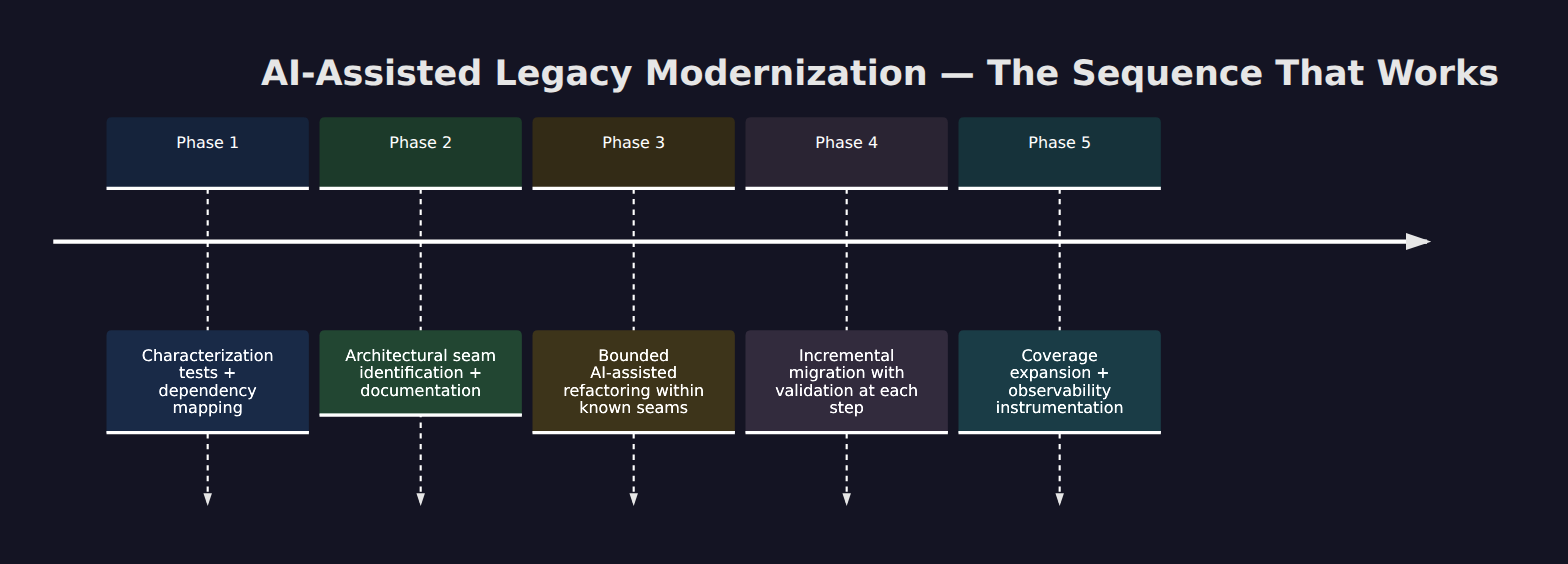
AI-assisted modernization tools report 40–50% time reductions. Under the right conditions, that number is real. For the Java monolith with sub-25% test coverage and no architectural record — the modal enterprise legacy system — the same tools accelerate drift rather than fix it.
Read
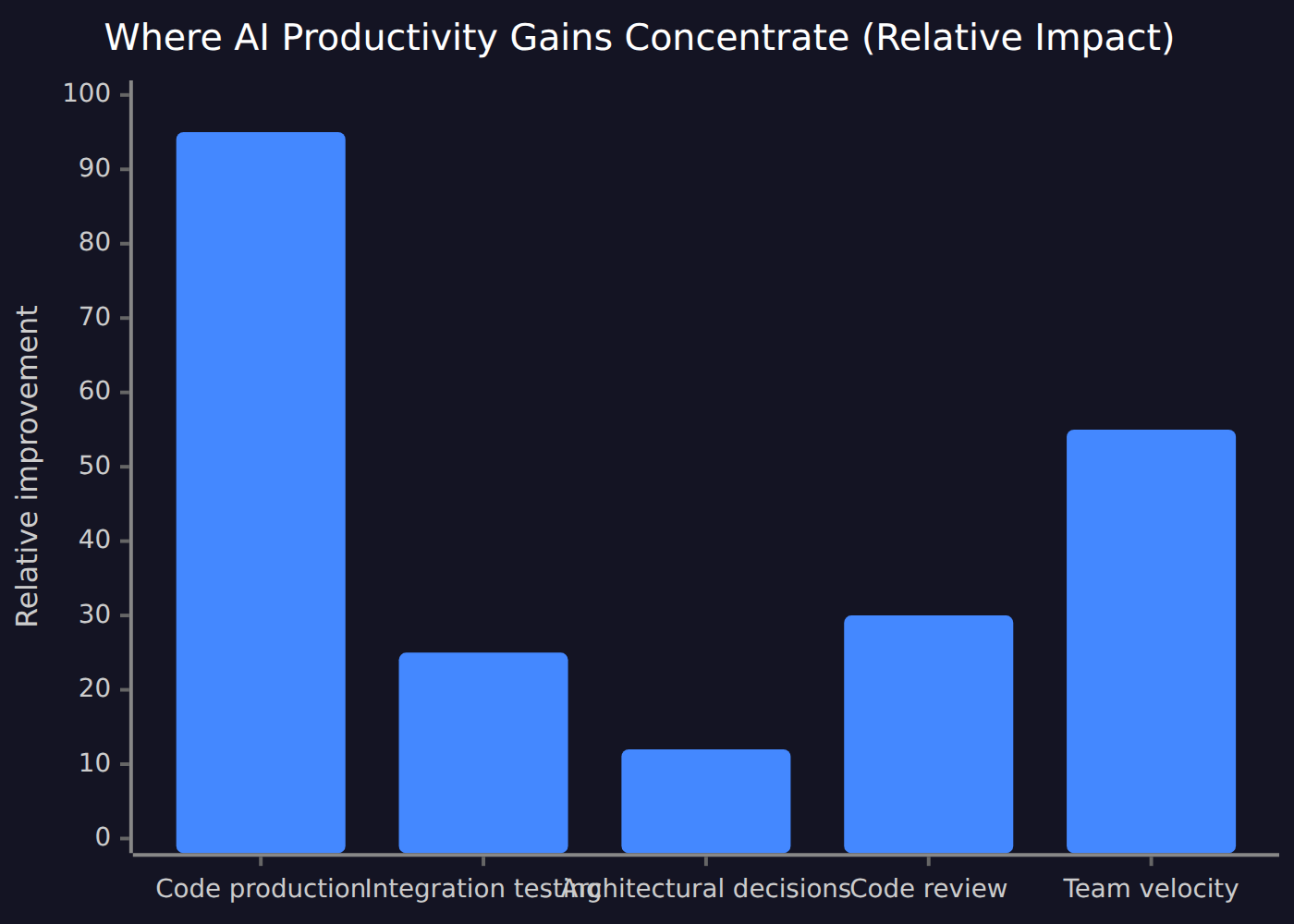
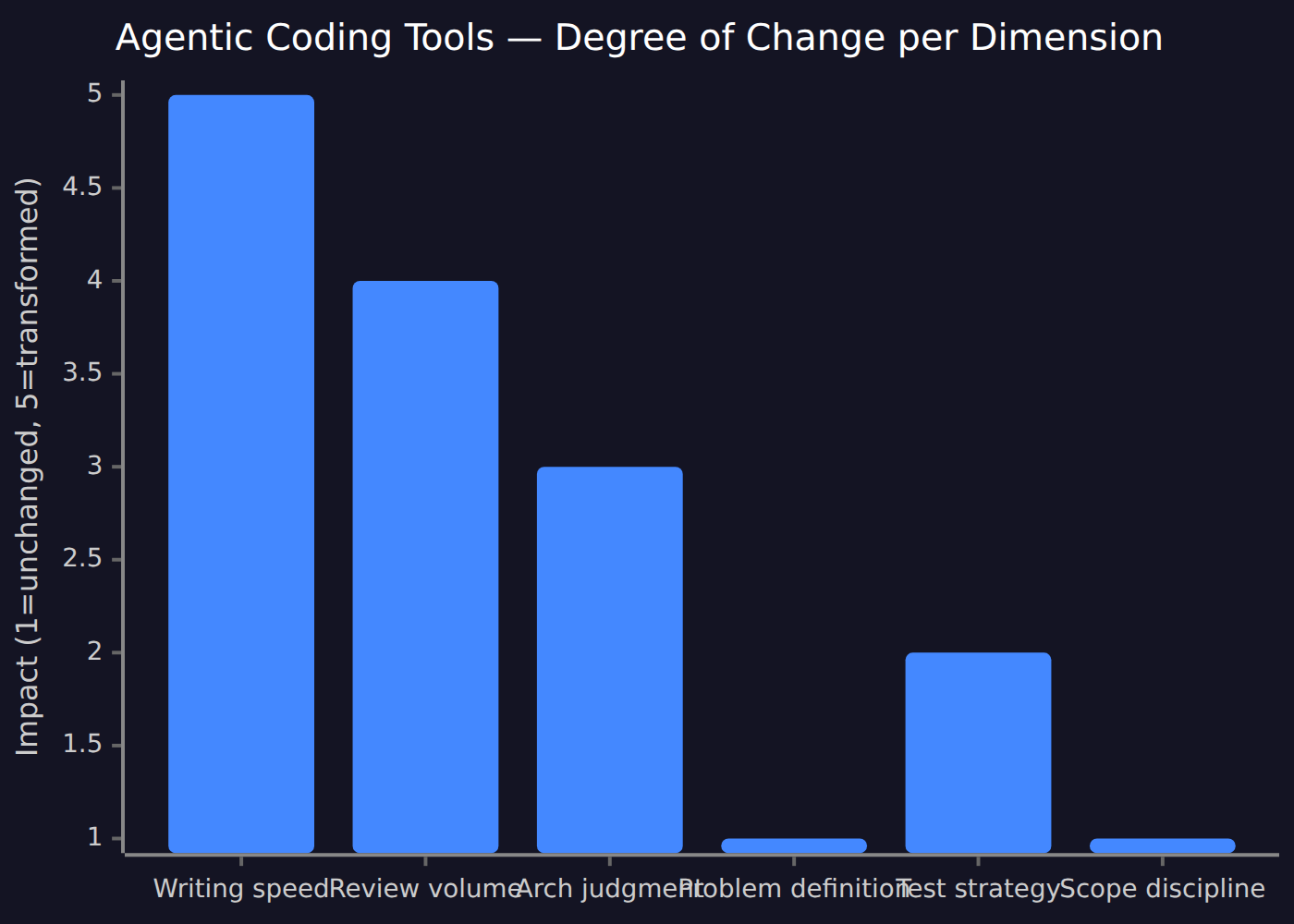
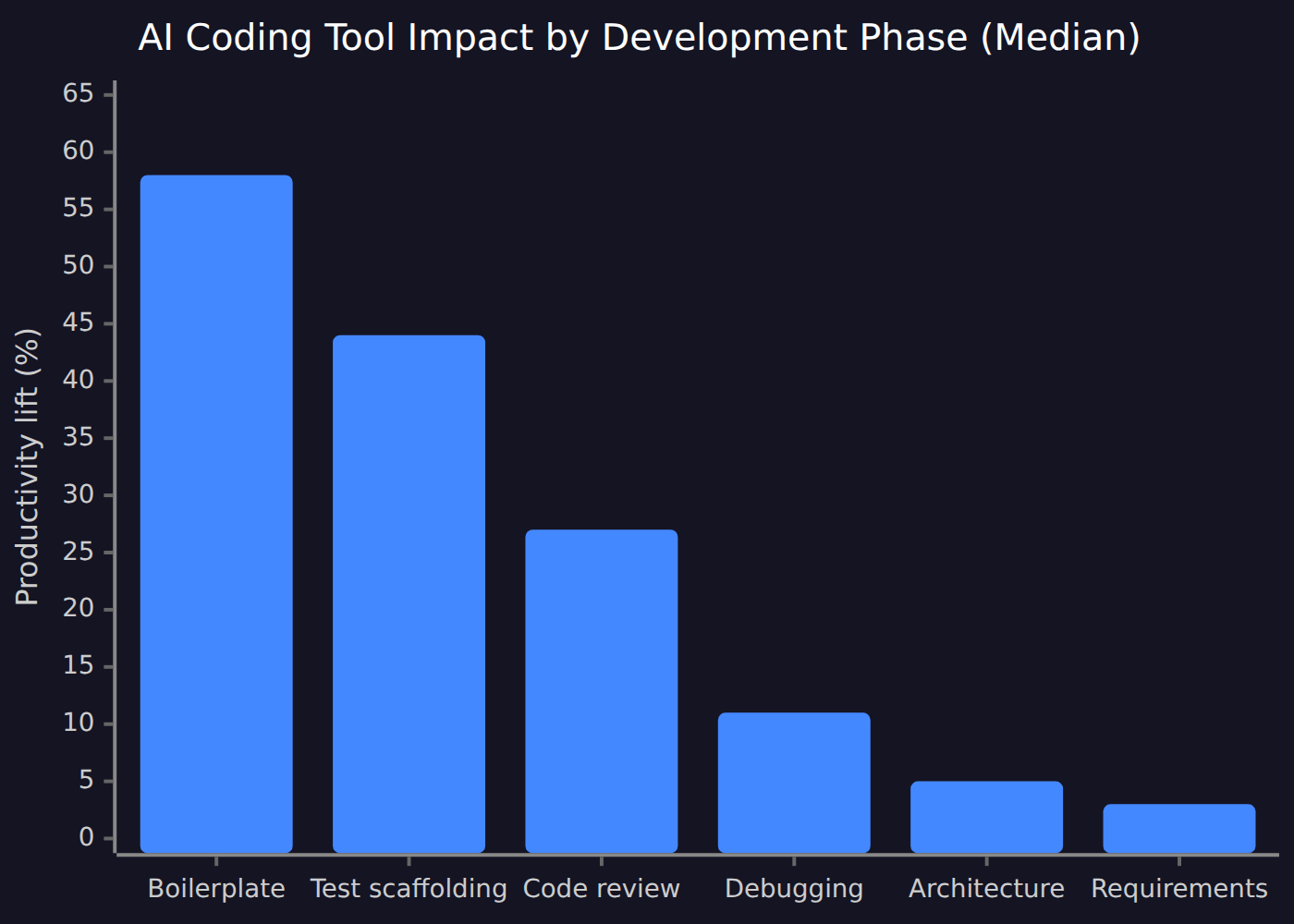
AI coding tools deliver real gains in specific development phases and near-zero gains in others. Most enterprise benchmarks measure the phases AI handles well and miss the phases that determine whether the team ships things worth shipping. Here is where the leverage actually is.
Read
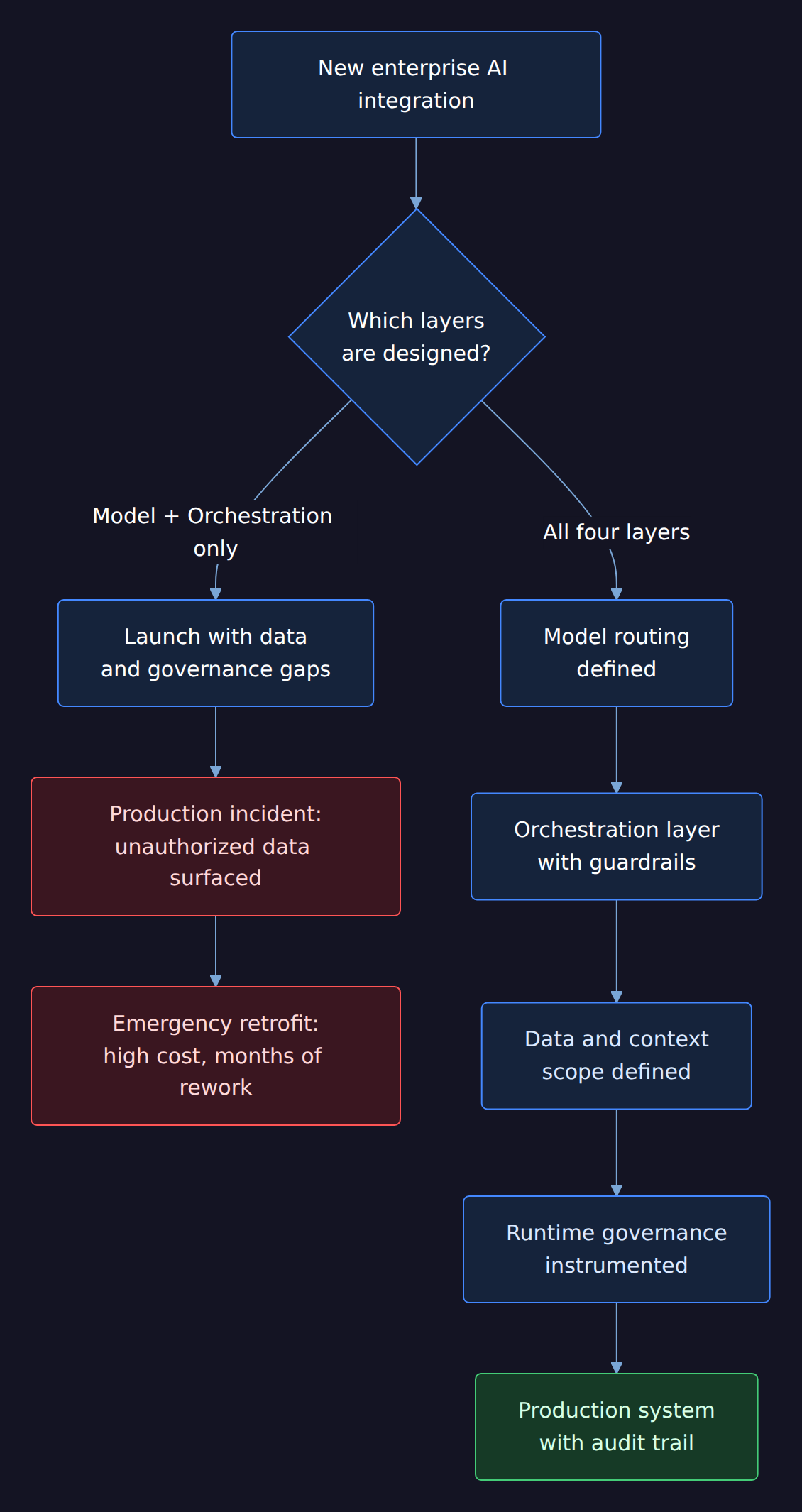
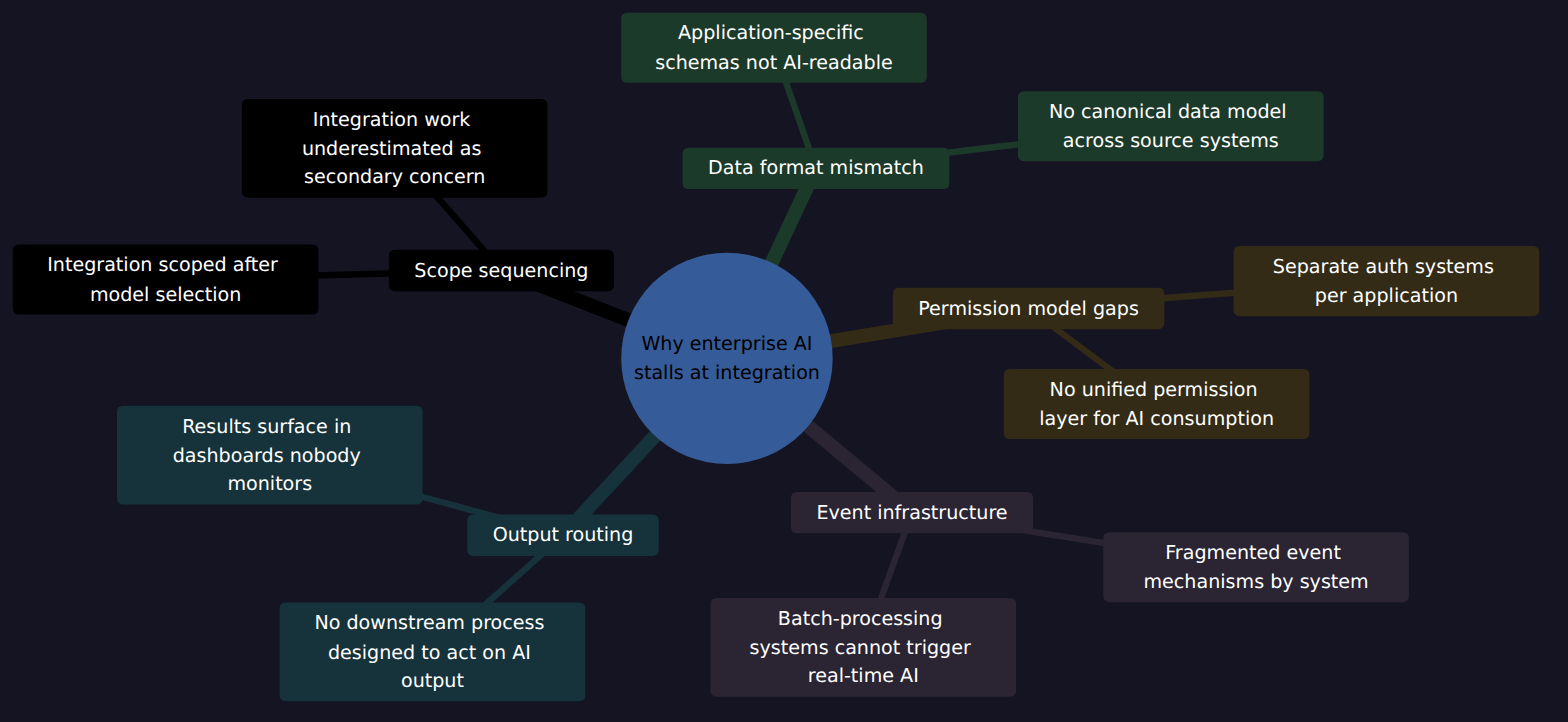
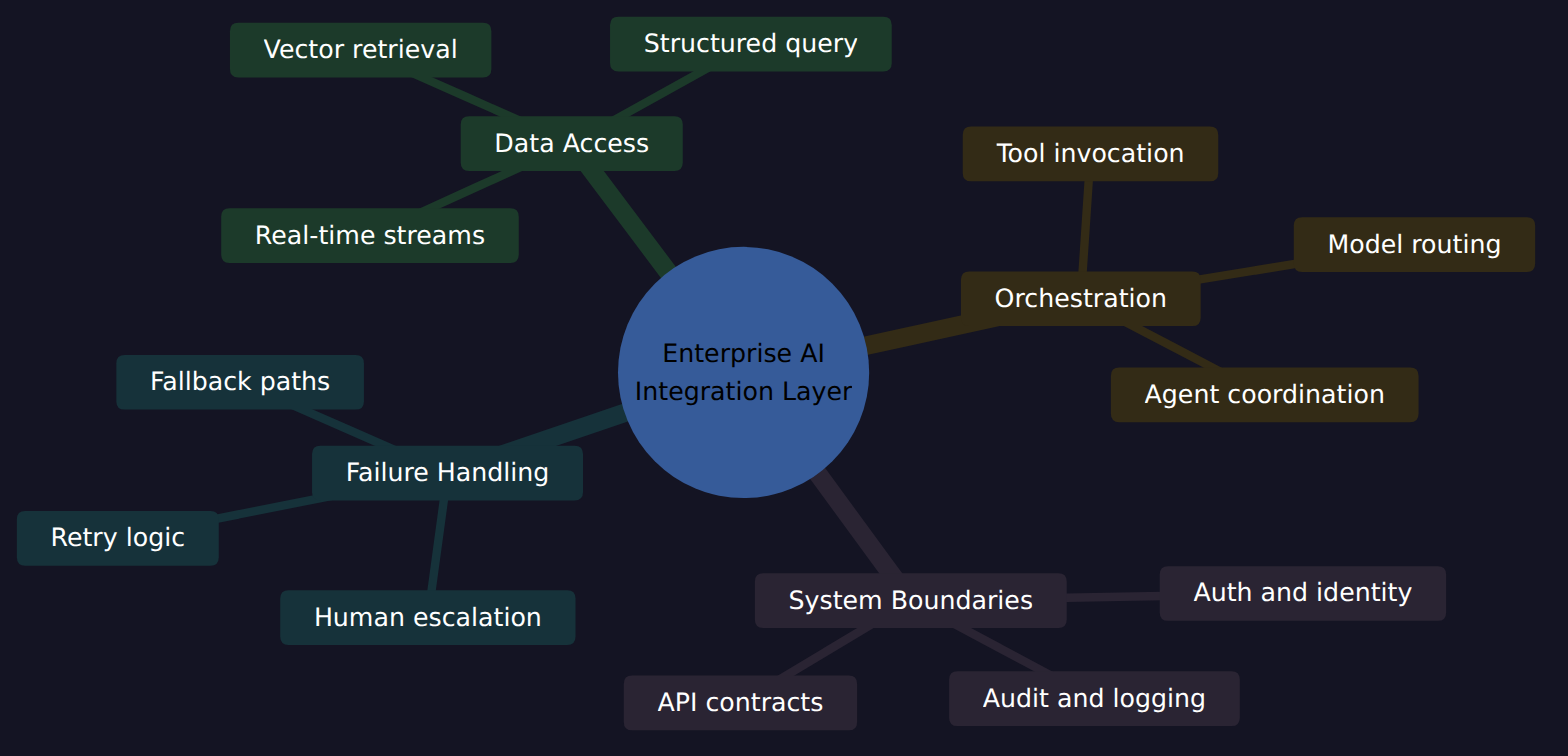
Fifty-four percent of enterprises are running AI agents in production. Most of them are hitting the same wall — not model capability, but how the model connects to enterprise data, systems of record, and business logic. The integration layer is where enterprise AI actually lives.
Read
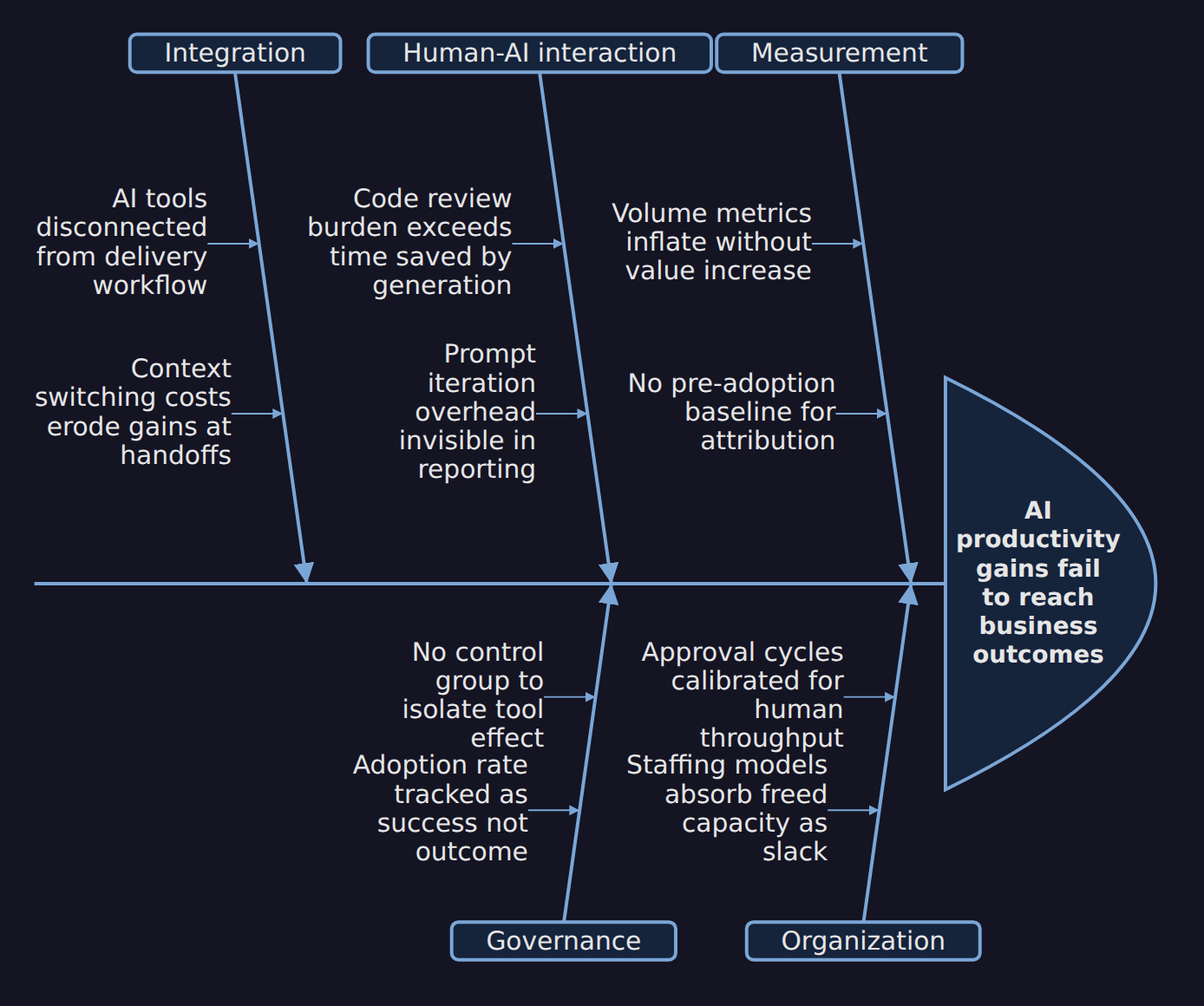
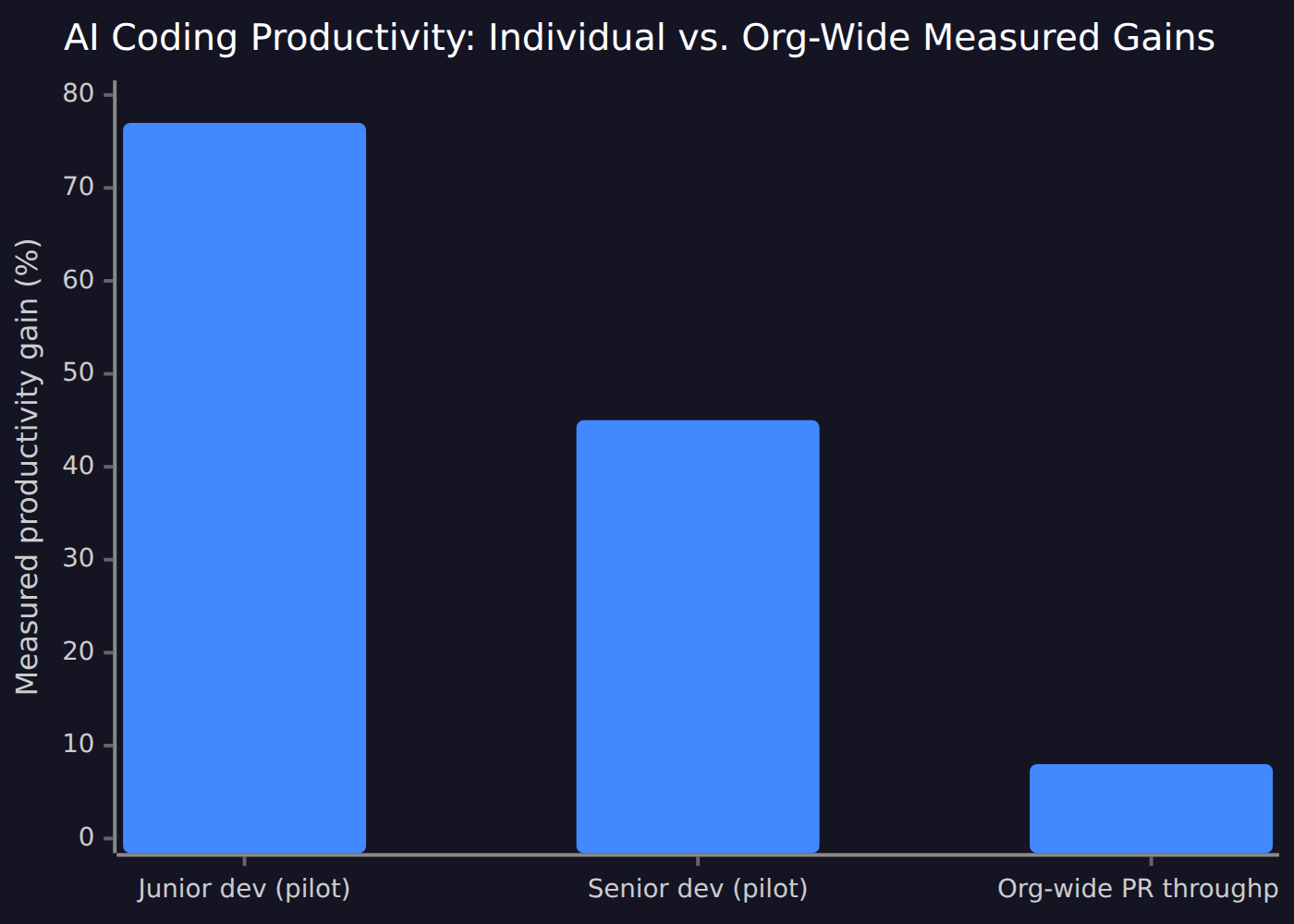
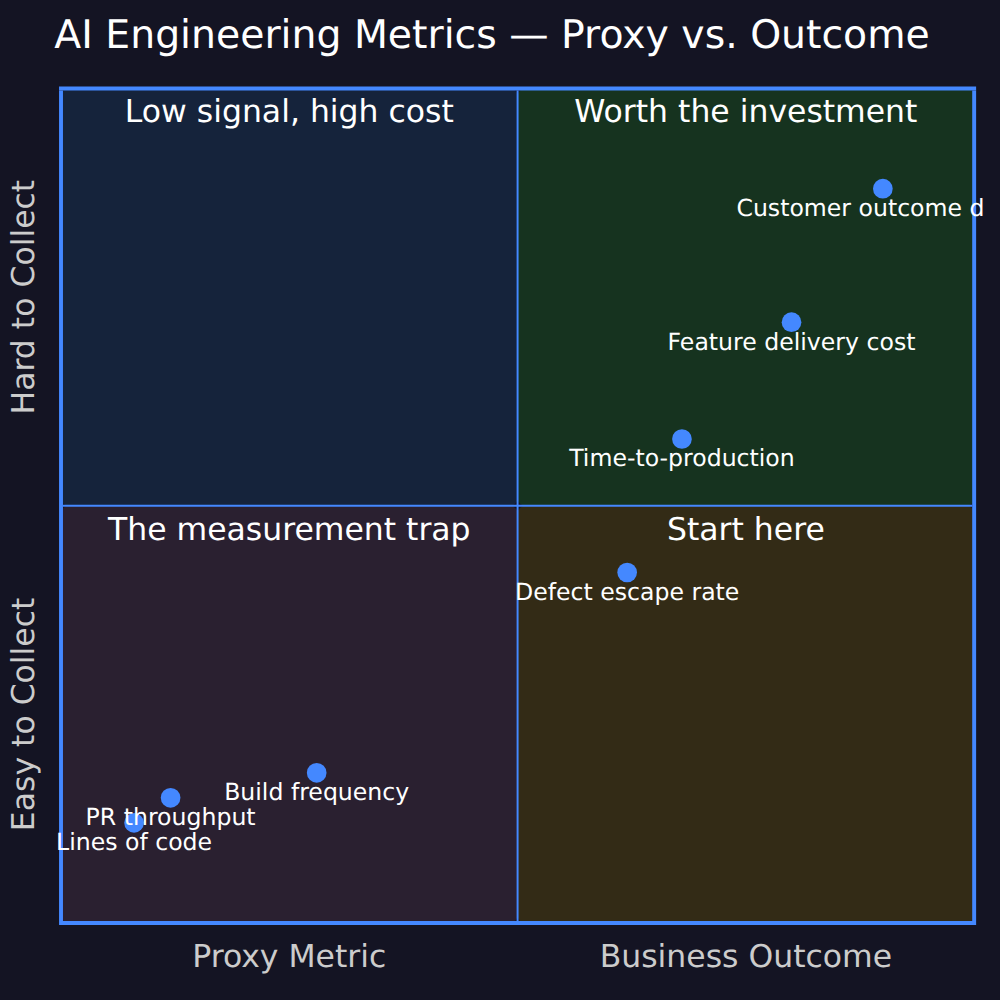
Enterprise AI ROI metrics are returning numbers that look unimpressive — 7–8% productivity gains vs. 30–50% pilot results. The problem is not the tools. It is measuring the wrong layer. Here is what actually signals whether AI is working in a software engineering organization.
Read
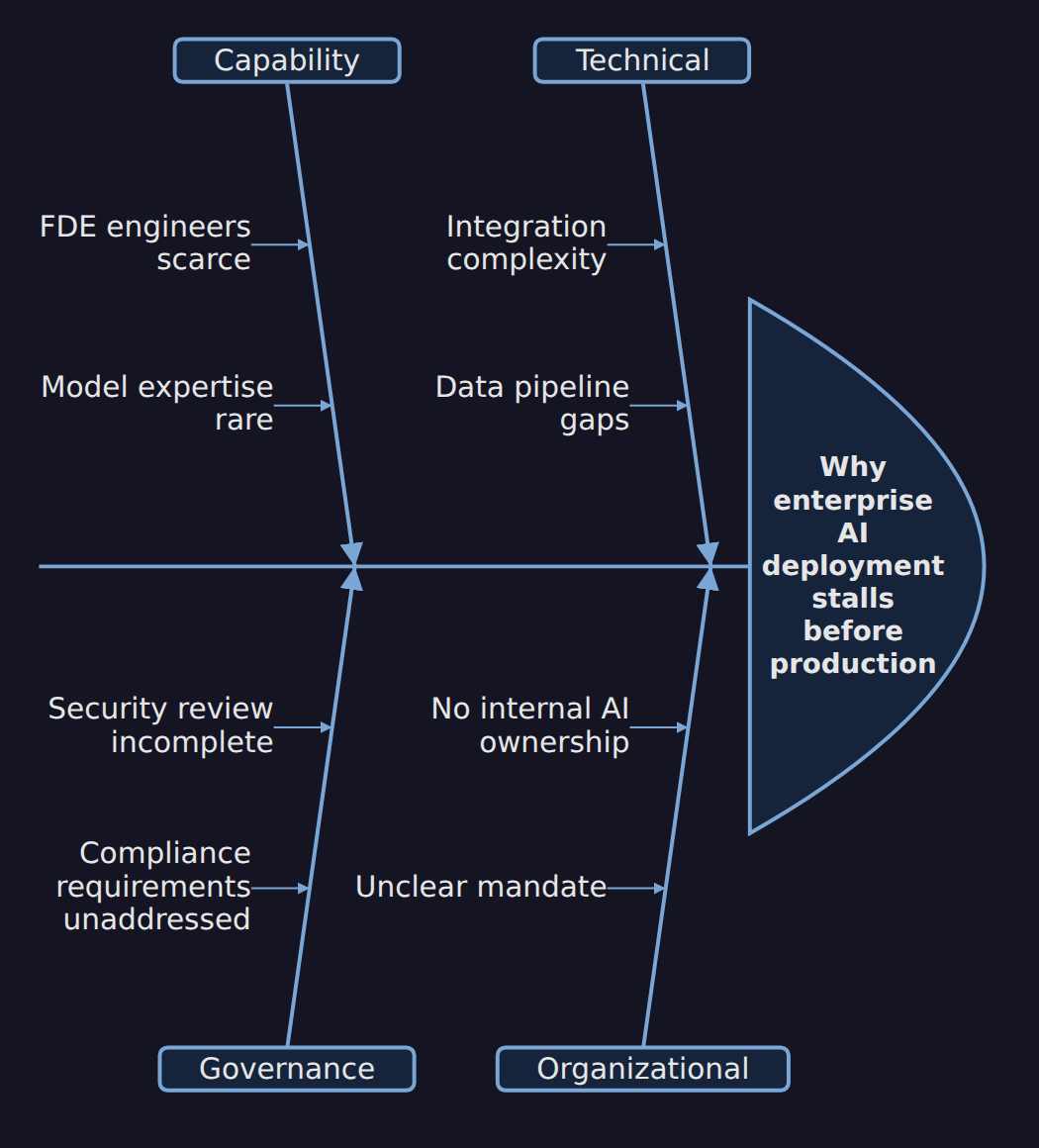
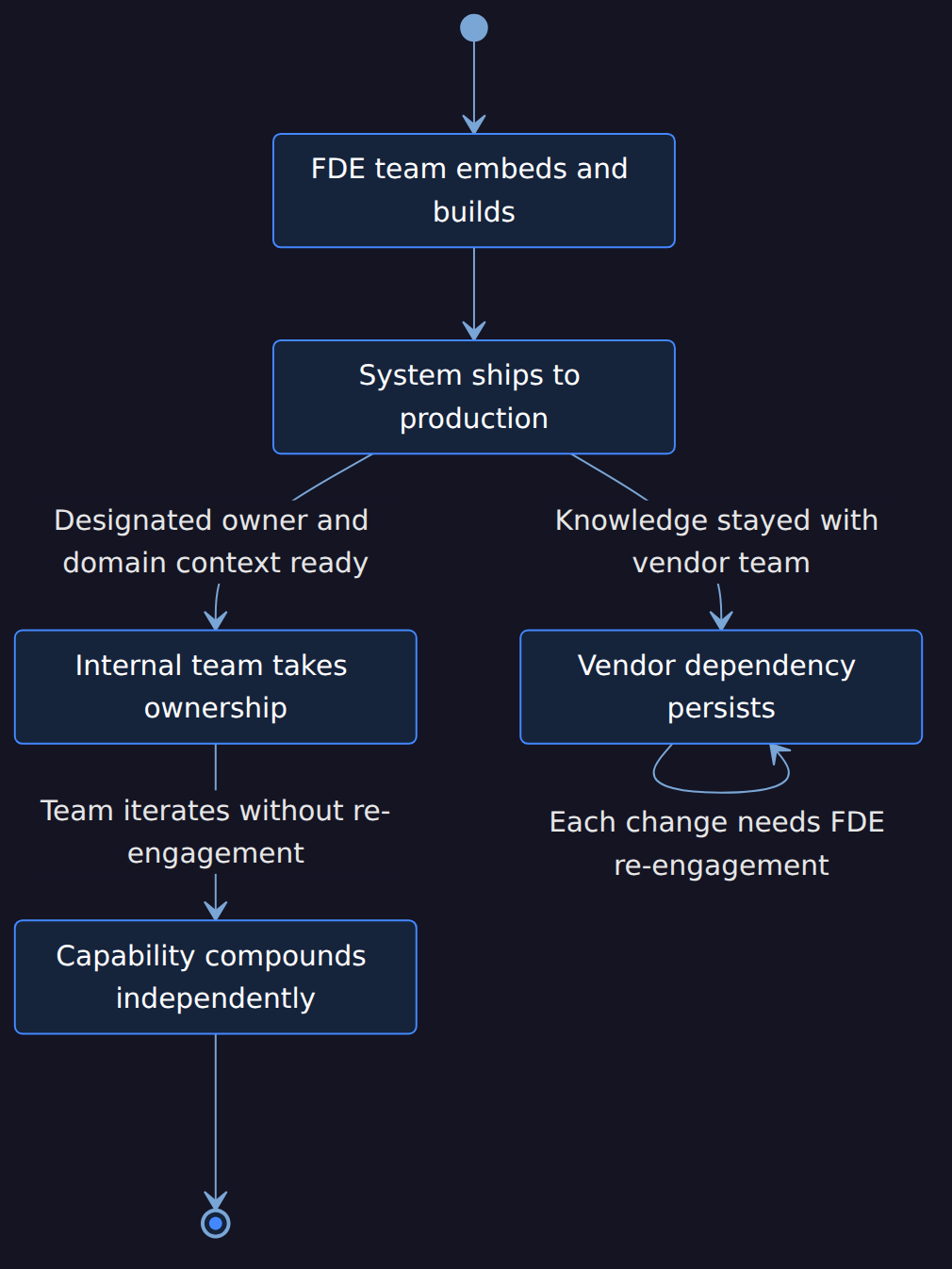
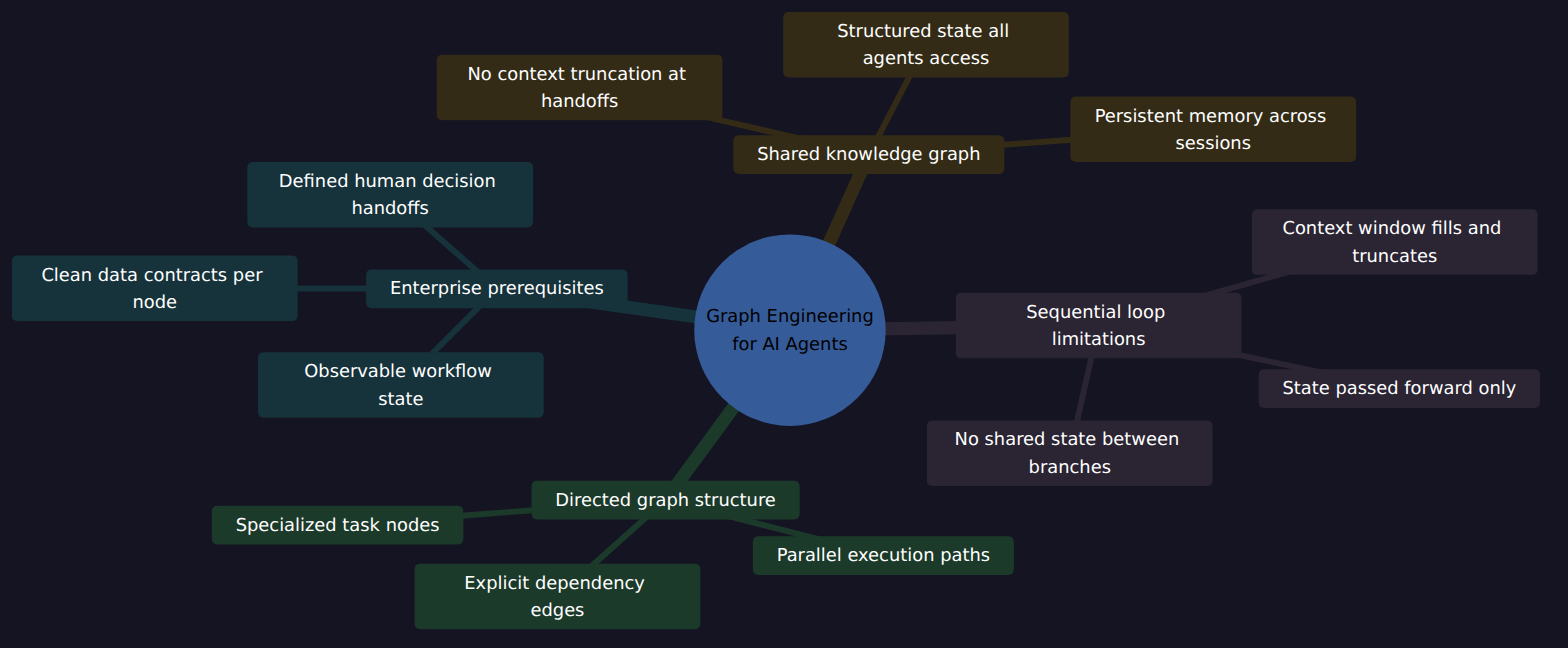
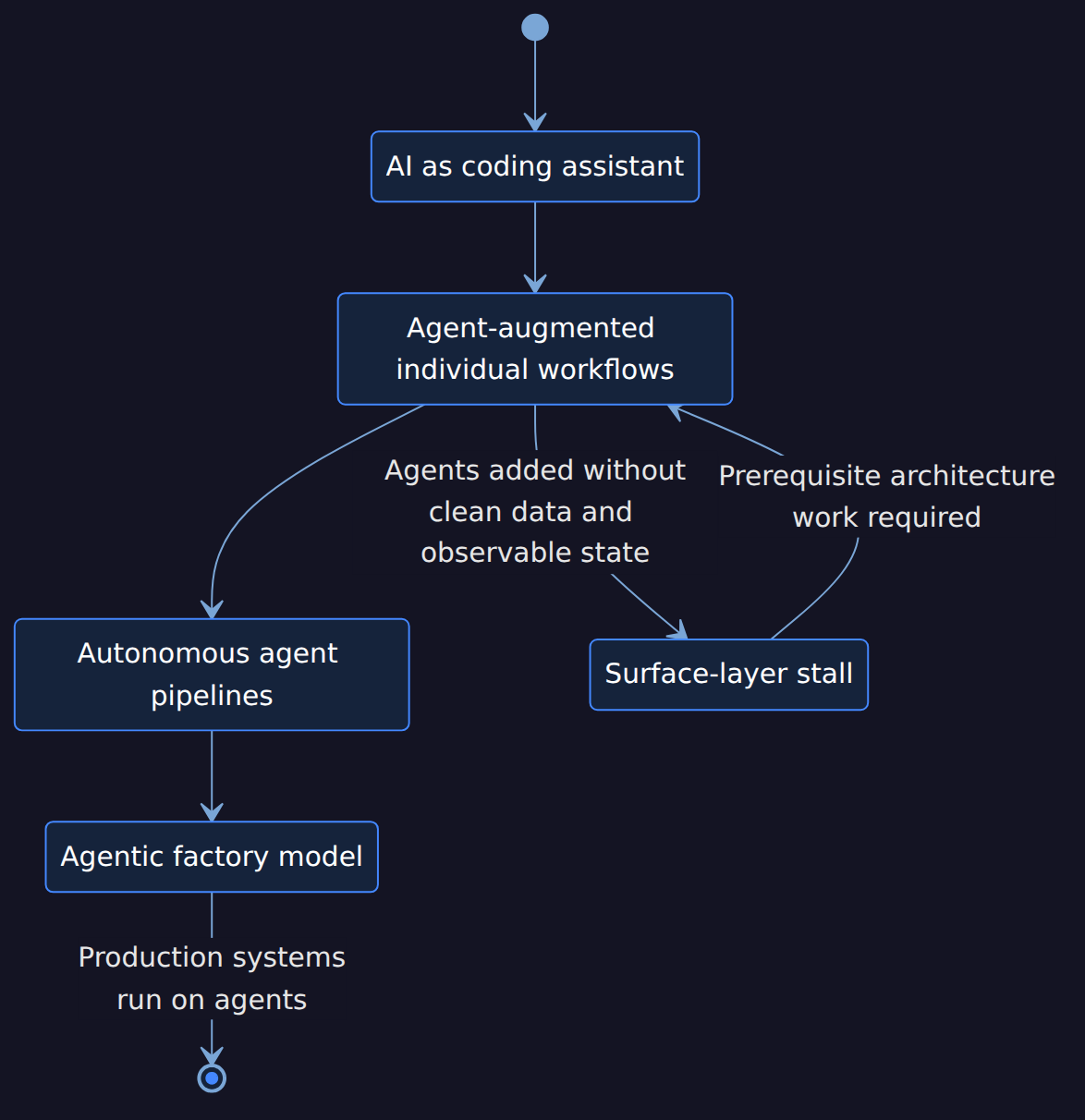
AWS's Forward Deployed Engineering model promises enterprises will operate AI systems independently after the engagement ends. Whether that happens depends almost entirely on what the enterprise side brings to the table.
Read
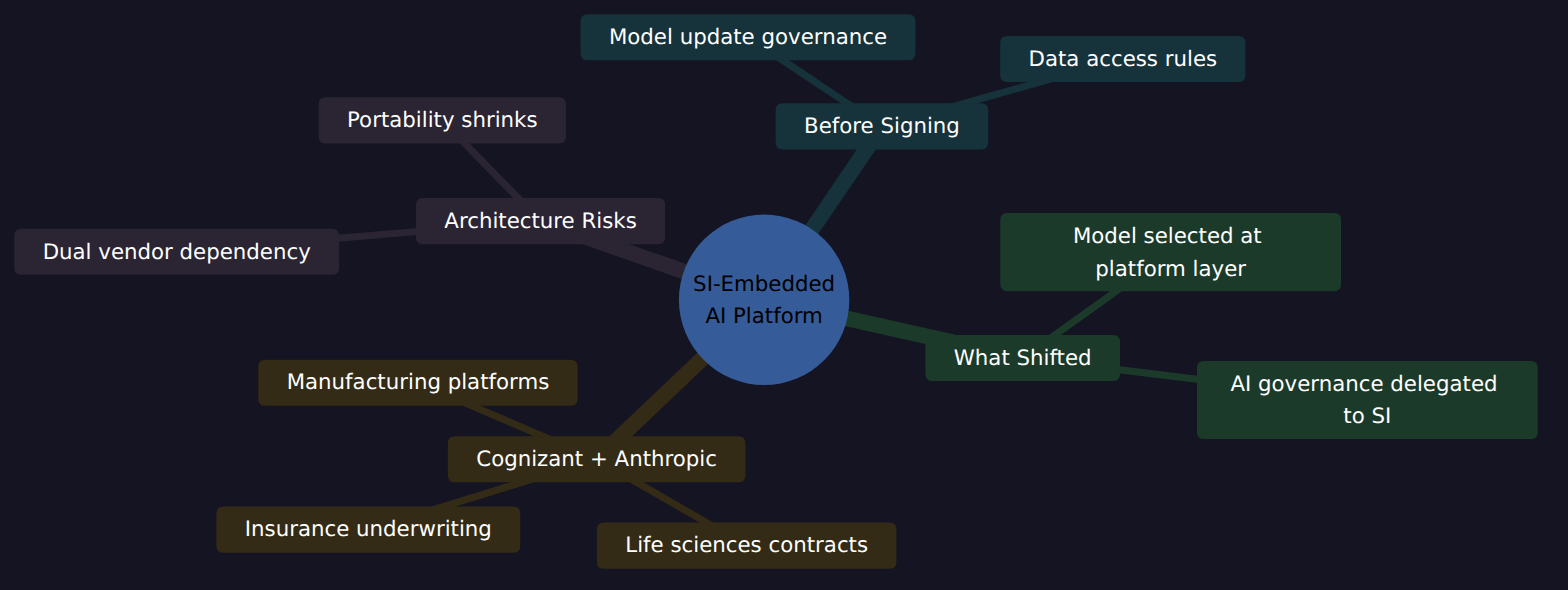
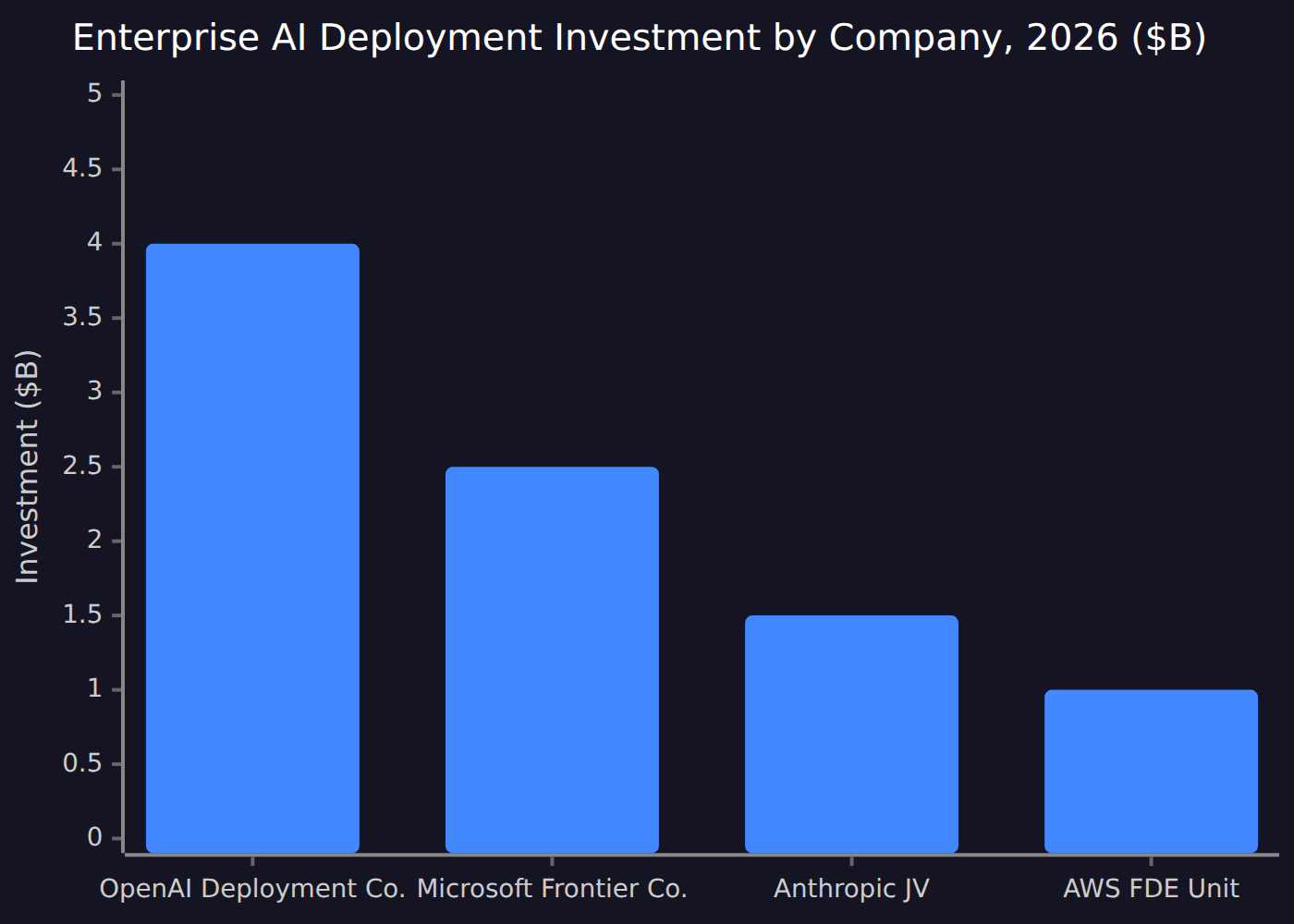
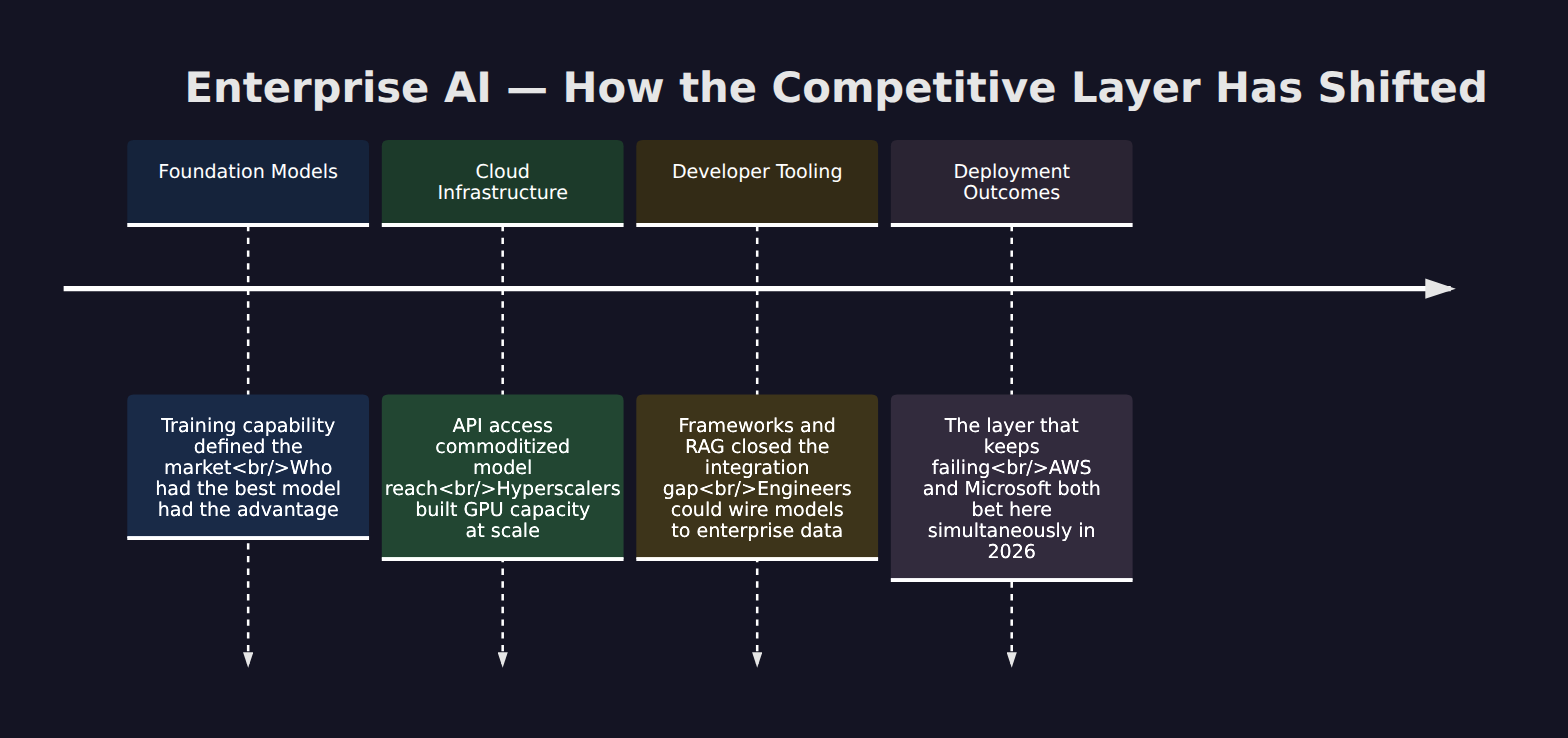
AWS and Microsoft each launched billion-dollar embedded engineering programs within 72 hours of each other. What the convergence signals about where enterprise AI is actually failing — and what it means for technology buyers.
Read
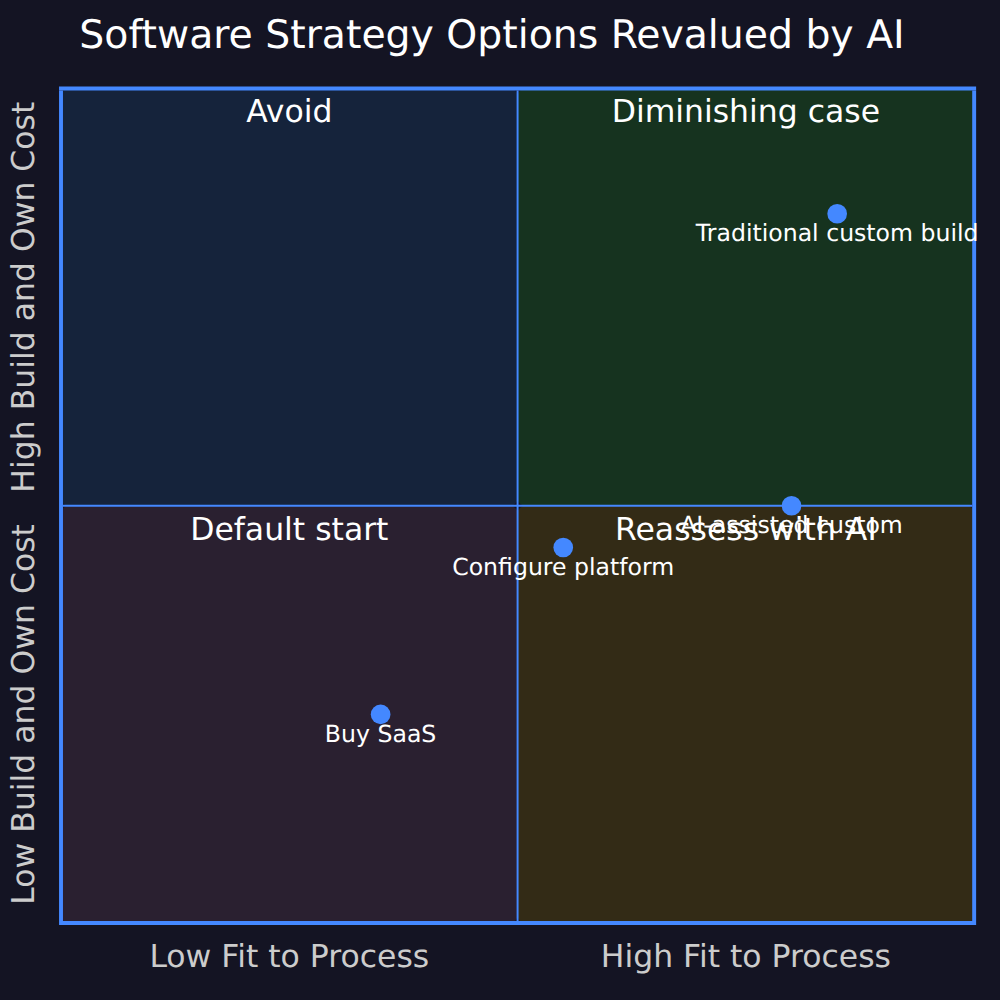
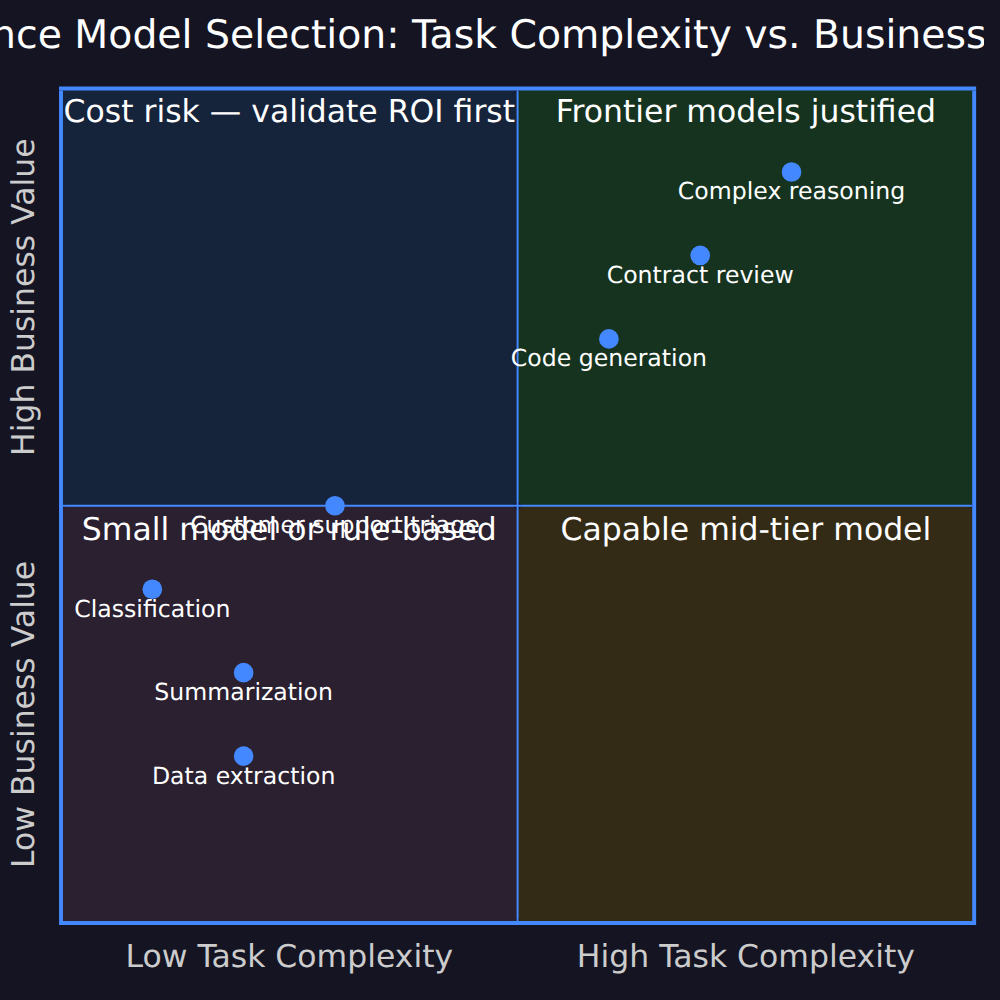
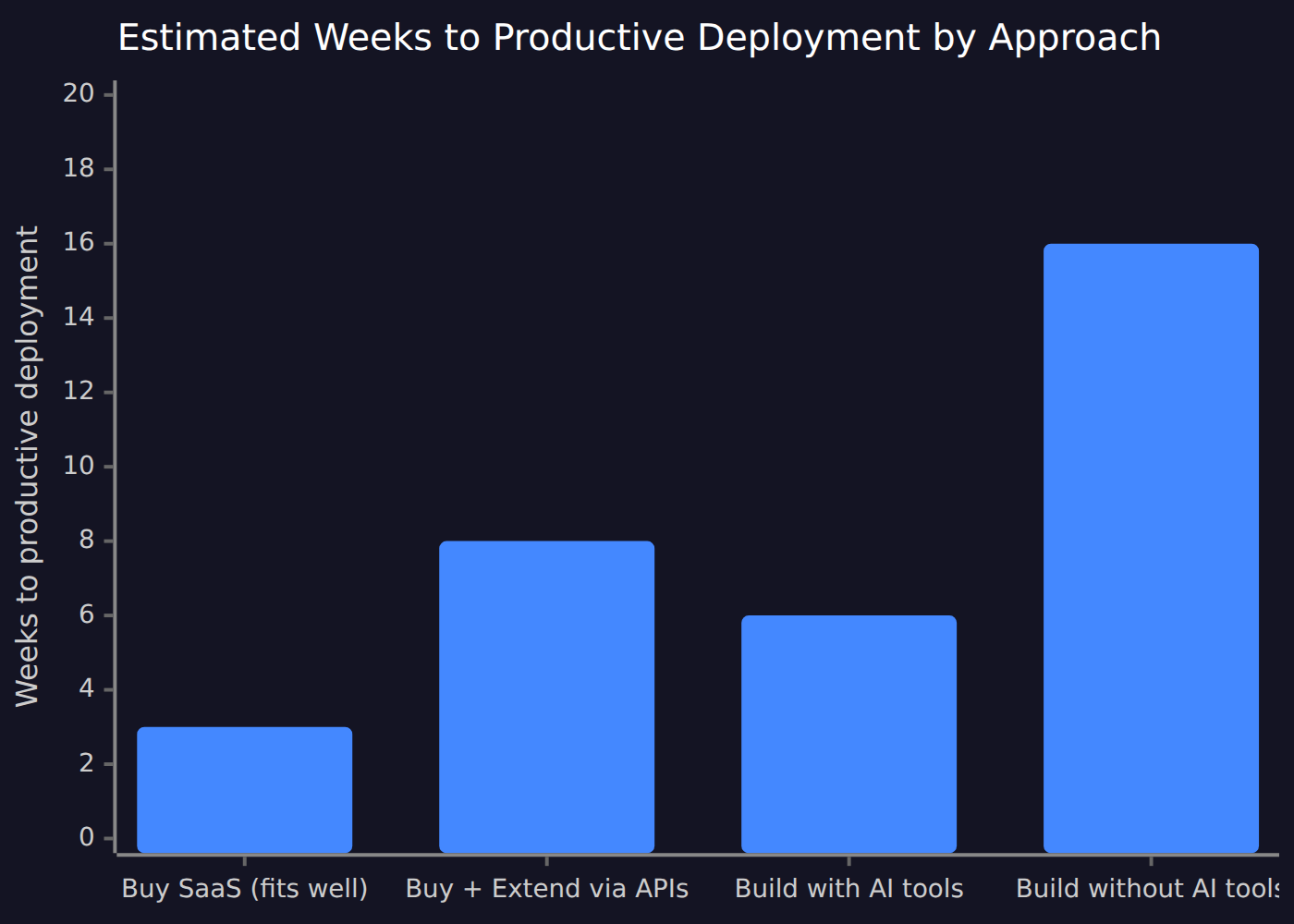
AI has lowered the cost of building custom software significantly — but it hasn't changed what happens when you build the wrong thing. The build vs. buy decision has a new axis, and most teams are still using the old framework.
Read
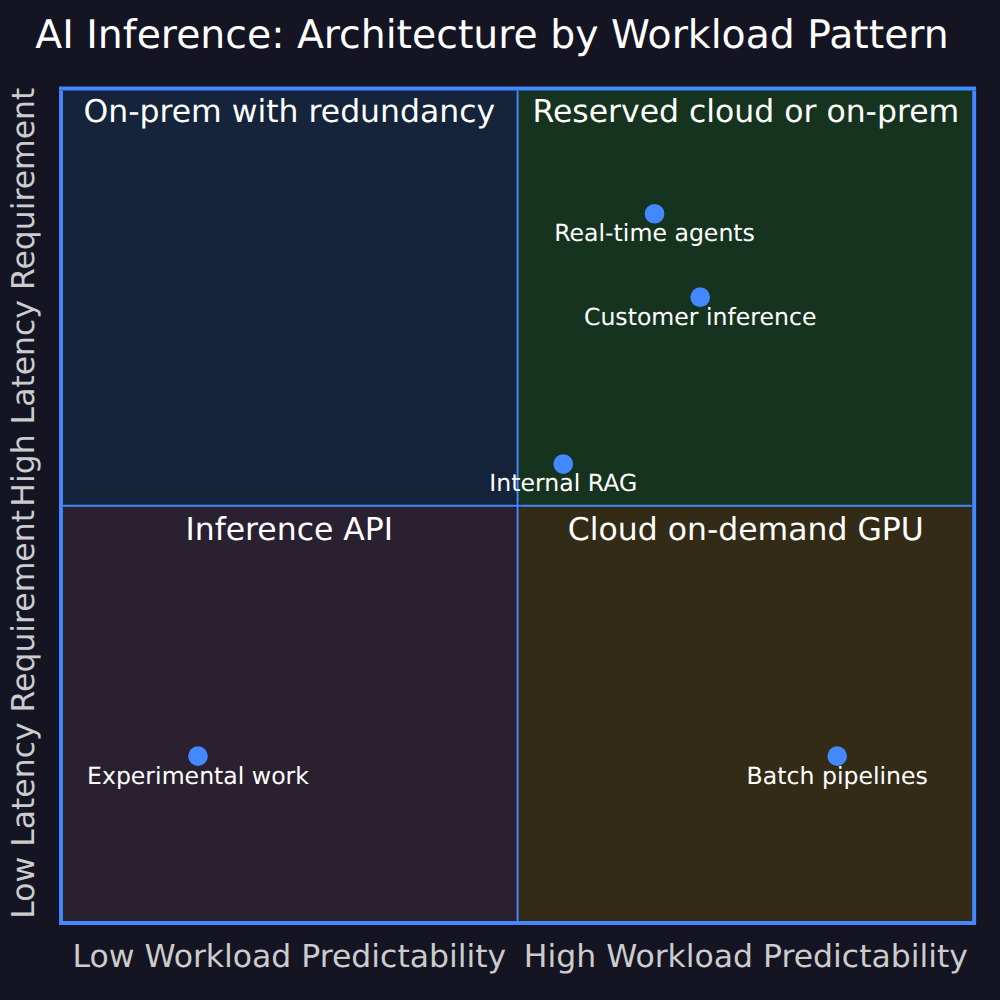
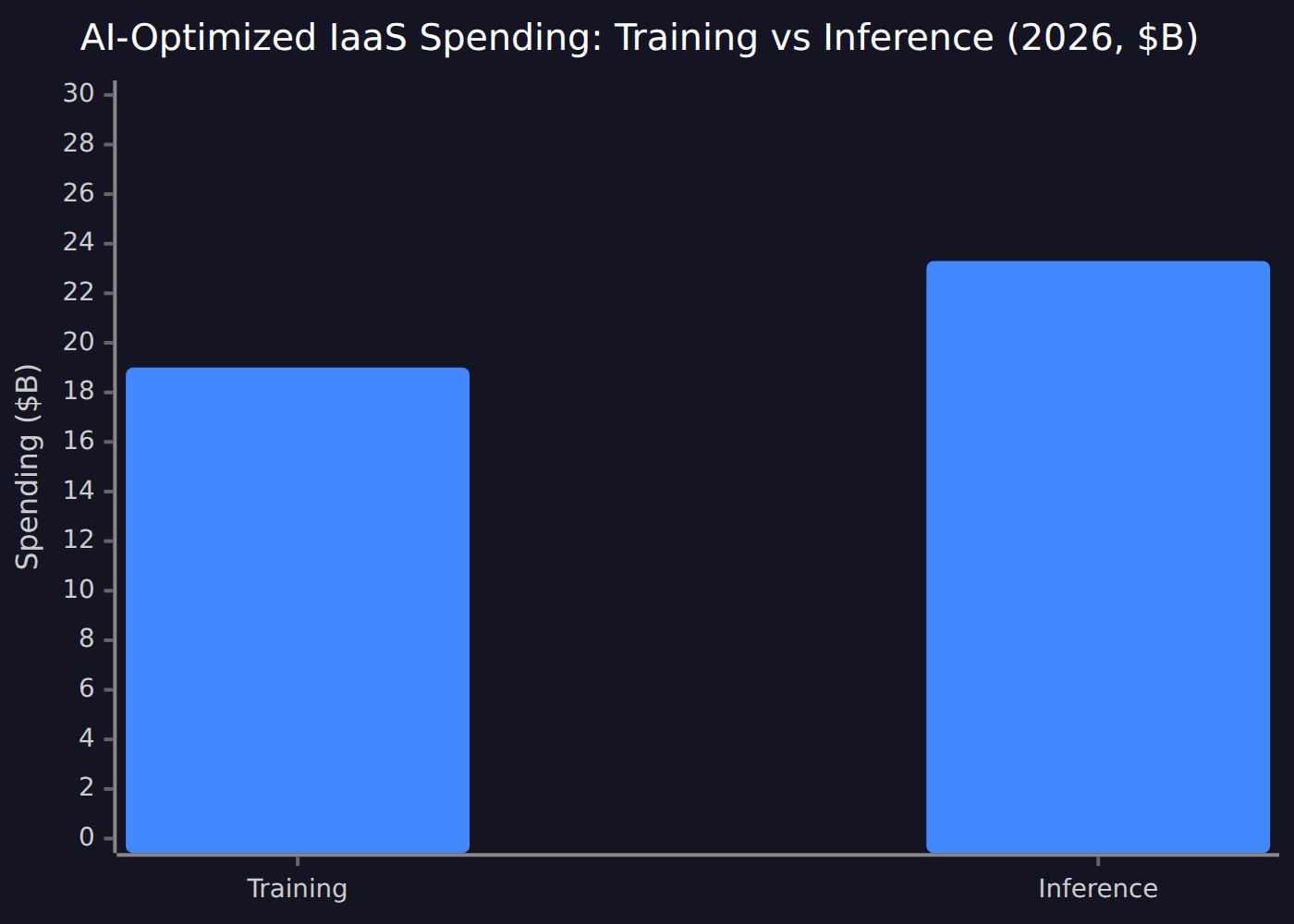
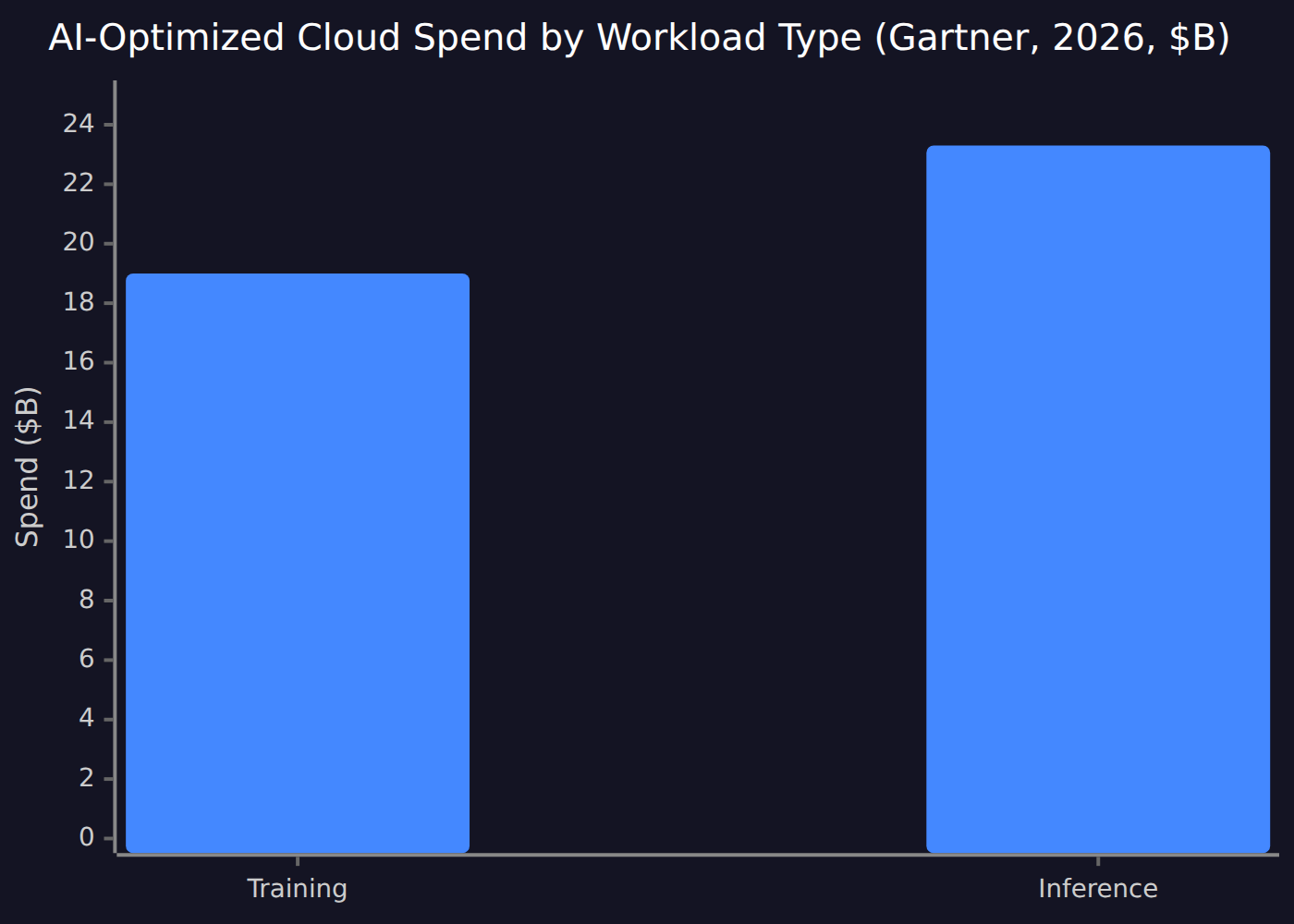
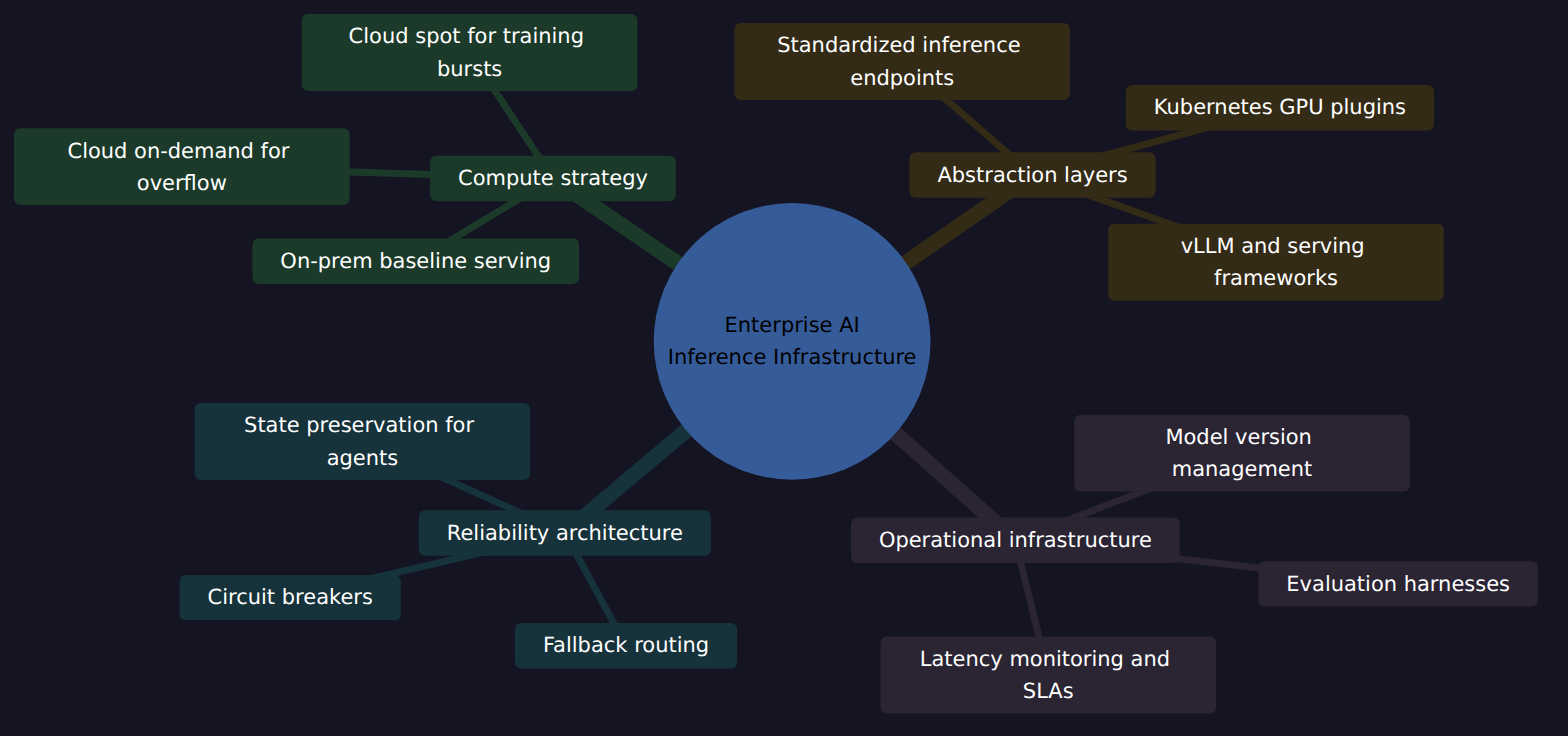
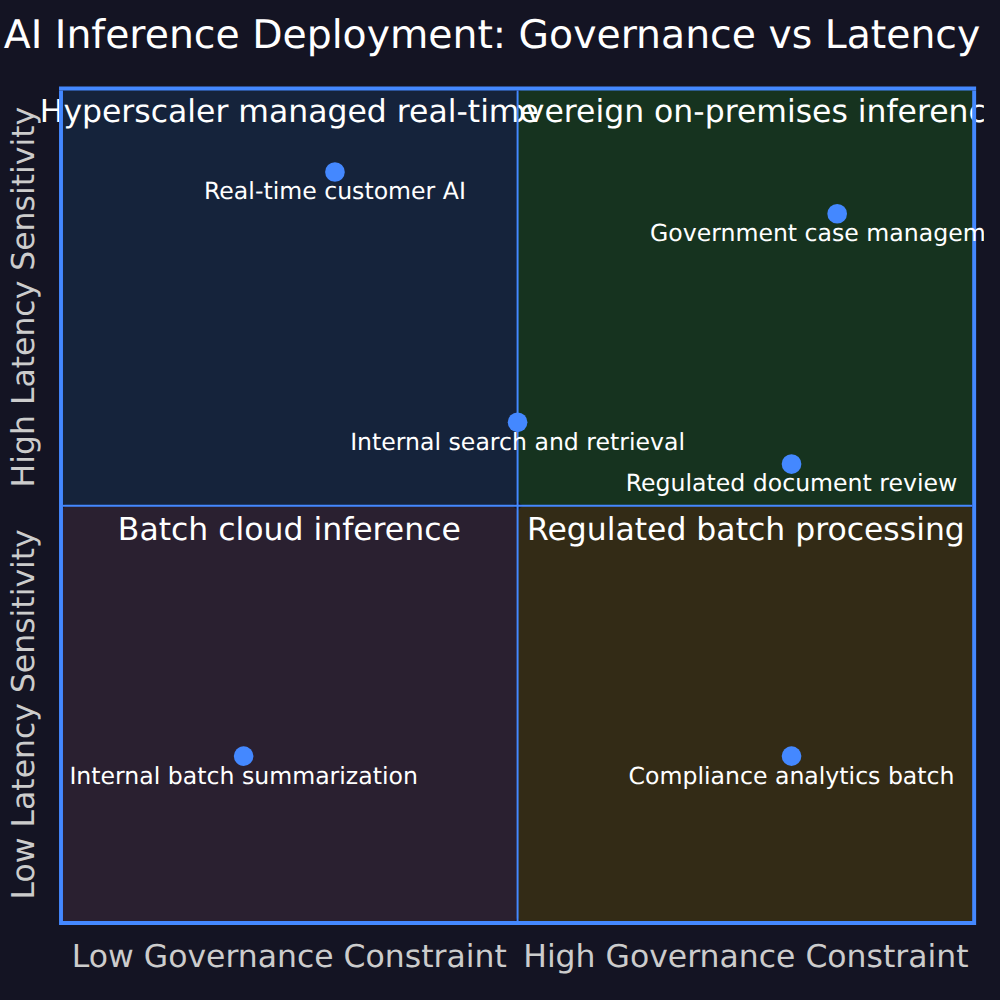
Industry analysts estimate 55–80% of enterprise AI GPU spend goes to inference, not training. Most enterprise AI teams plan for training costs and discover inference costs. The gap is an architecture problem, not a budgeting problem.
Read
METR's 2025 study found that experienced developers using AI tools took 19% longer than developers working without them. The implications for software delivery teams — and for how AI ROI gets measured — are significant.
Read
The EU AI Act's GPAI transparency obligations land August 2, 2026 — and 78% of organizations haven't meaningfully prepared. For regulated industries, the gap between AI deployment and AI compliance is becoming a liability.
Read
The gap between a trained model and a production-ready AI system is a platform engineering problem, not a talent problem. What enterprise teams are consistently missing in their MLOps stack — and how to fix it.
Read
At LangChain's Interrupt conference, Andrew Ng identified the constraint directly: future companies will be ten-person teams rebuilding data architecture with agents. Most enterprise AI strategies are built on data that was never designed for non-human access. That is the gap.
Read
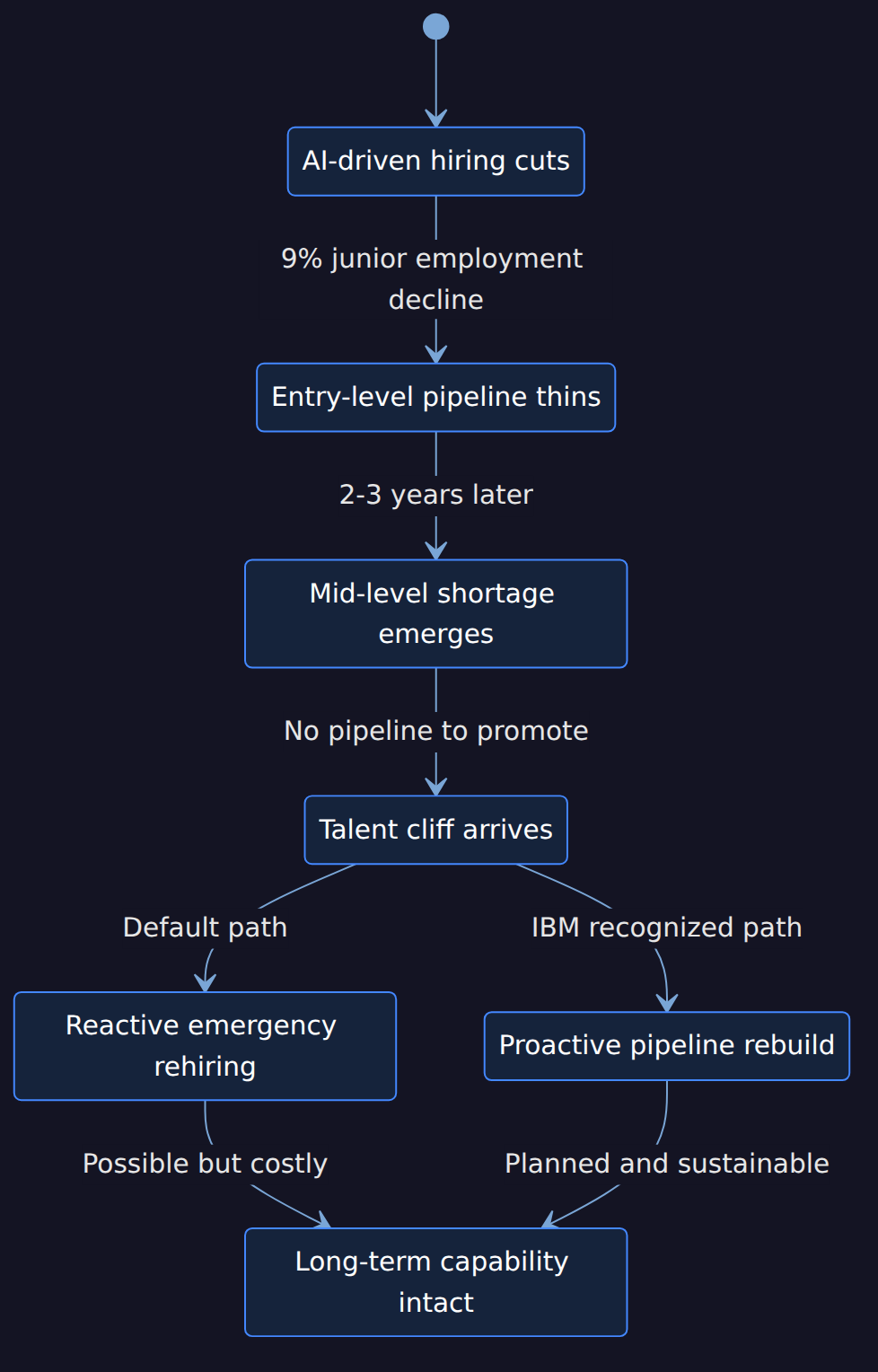
IBM is tripling U.S. entry-level hiring after cutting for AI. Harvard research shows 9% junior employment decline across AI-adopting organizations. The cost savings calculation most technology leaders are running is missing a line item.
Read
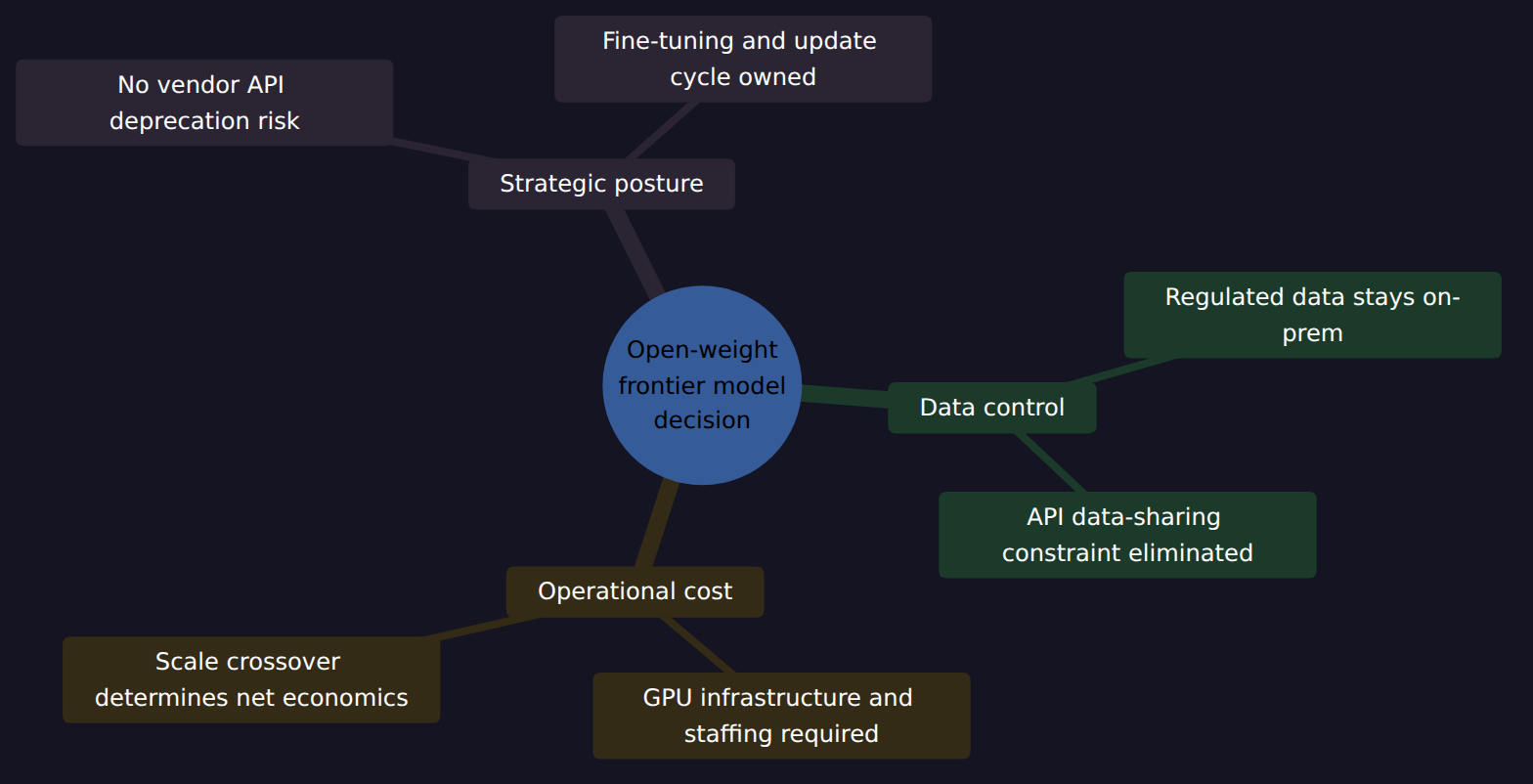
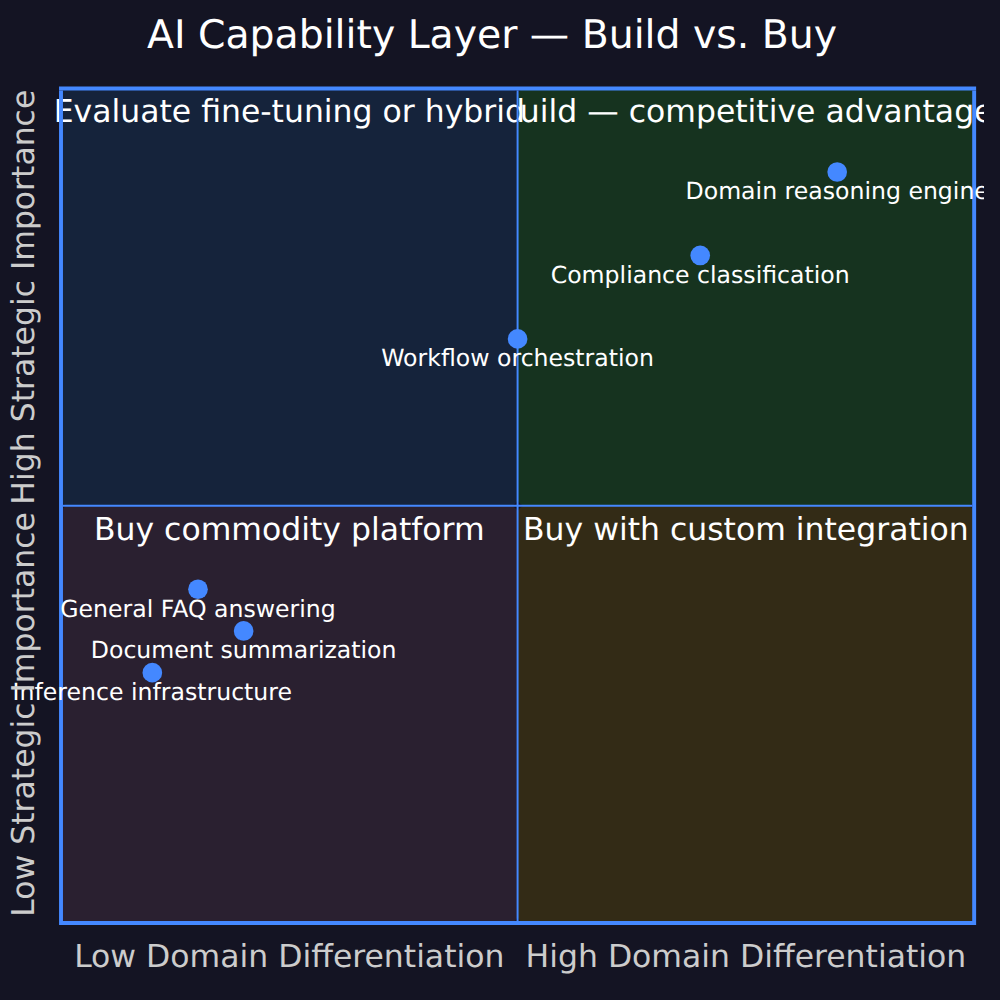
The traditional build vs. buy heuristic — buy for cost, build for control — no longer applies cleanly to AI capabilities. Open-weight model pricing changed the cost side. The real decision now turns on competitive differentiation and proprietary data.
Read
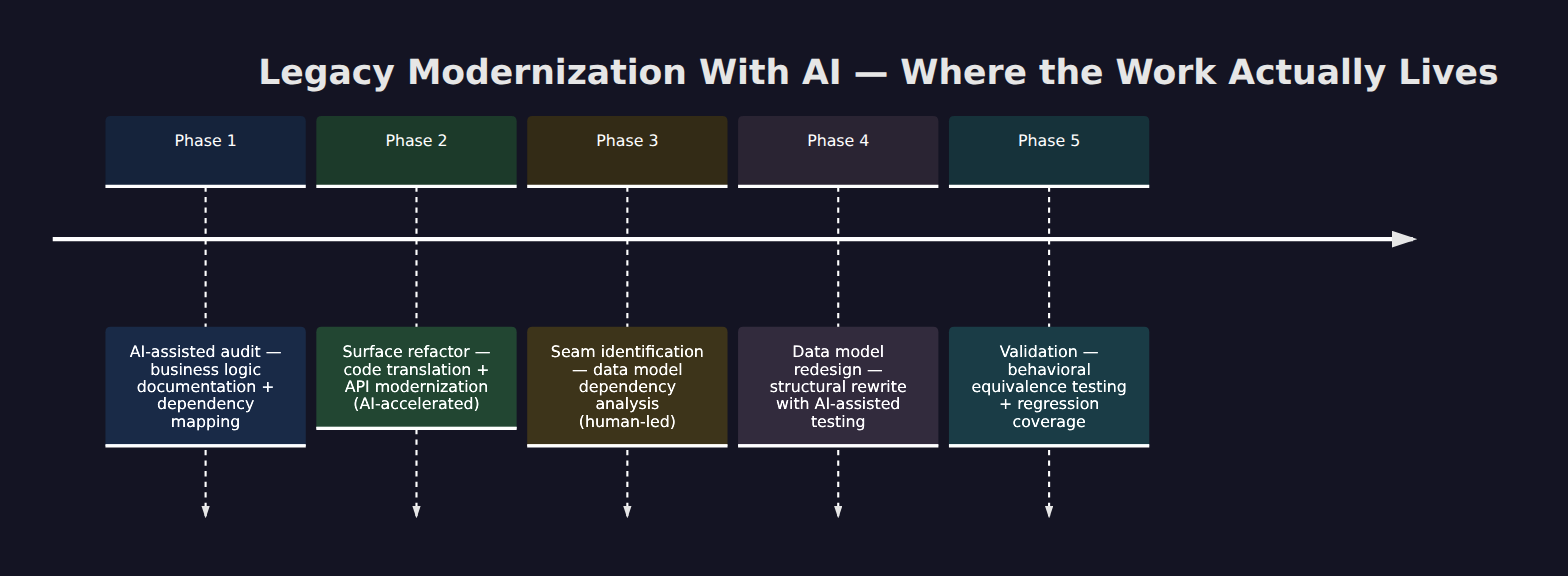
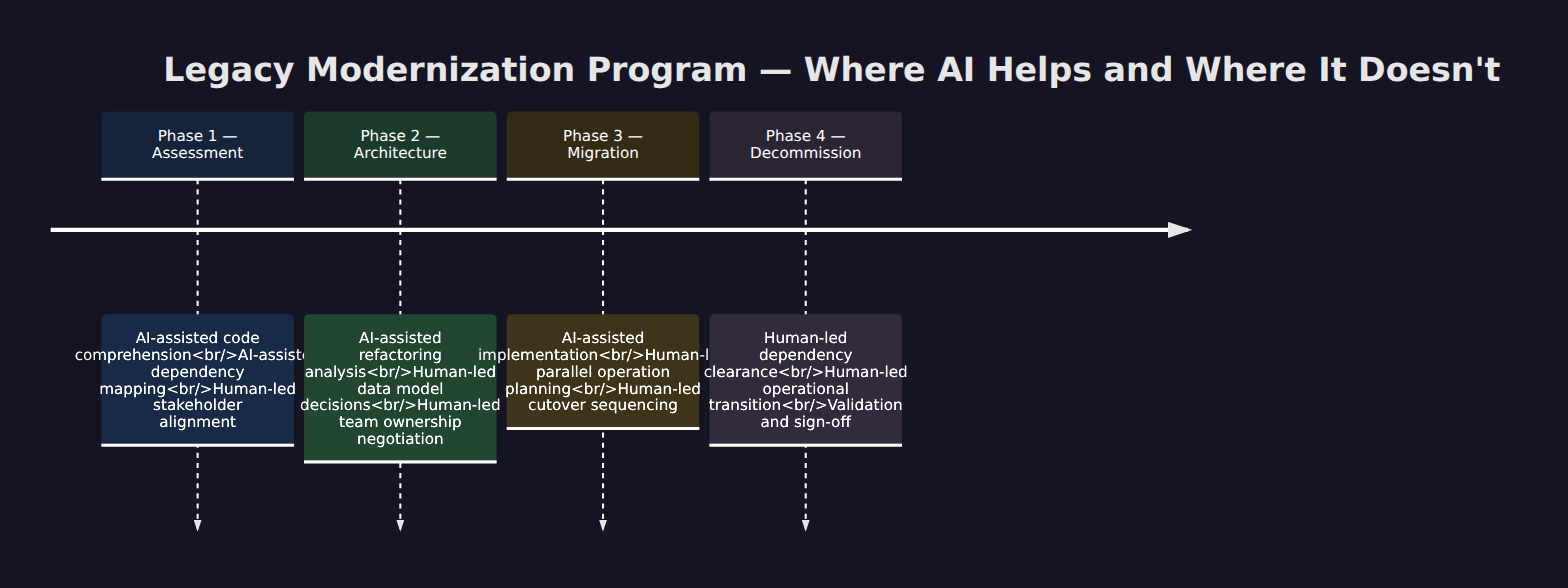
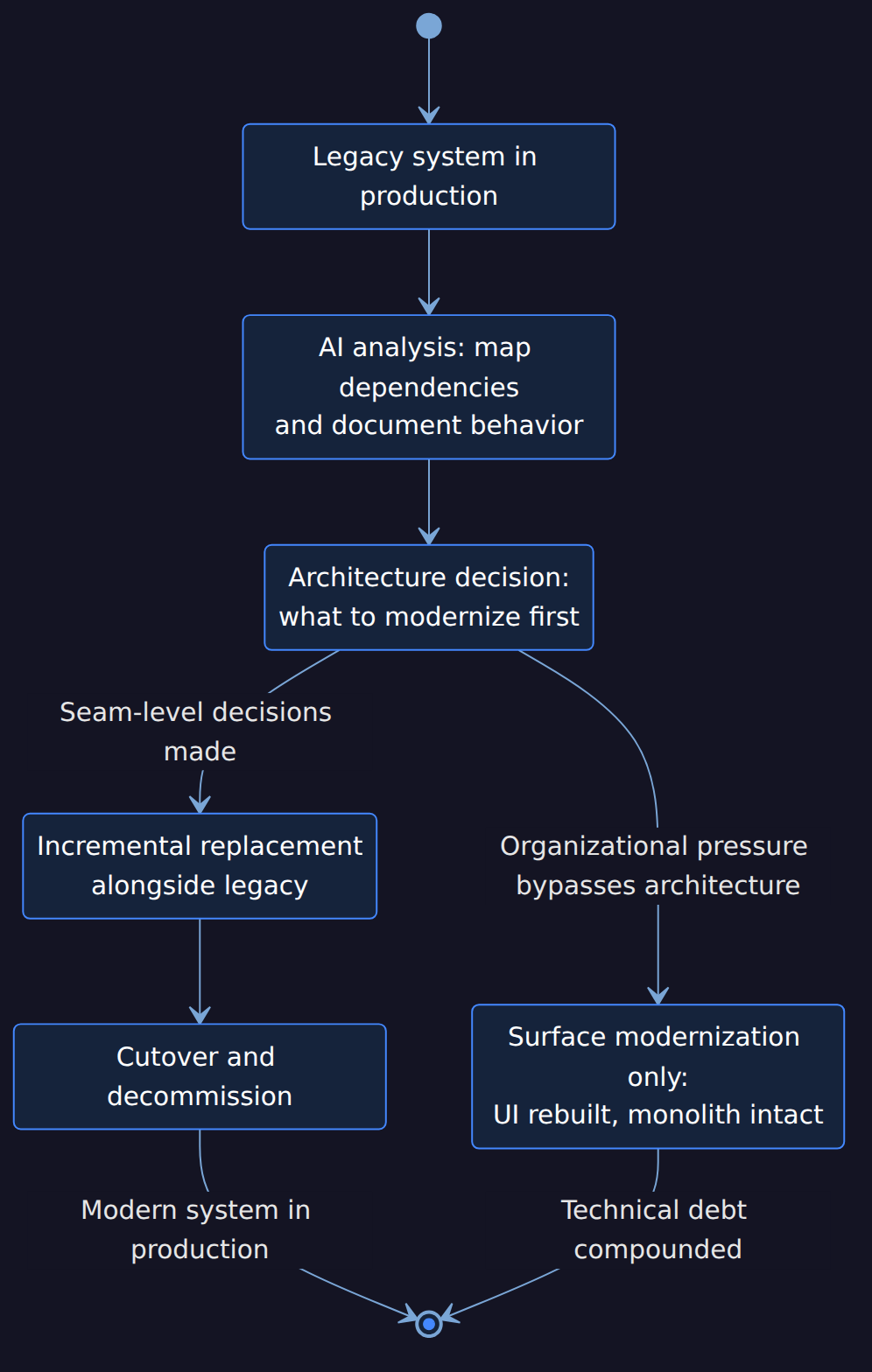
AI tools have made legacy code analysis substantially faster. They have not made legacy modernization substantially simpler. The hard part was never reading the code.
Read
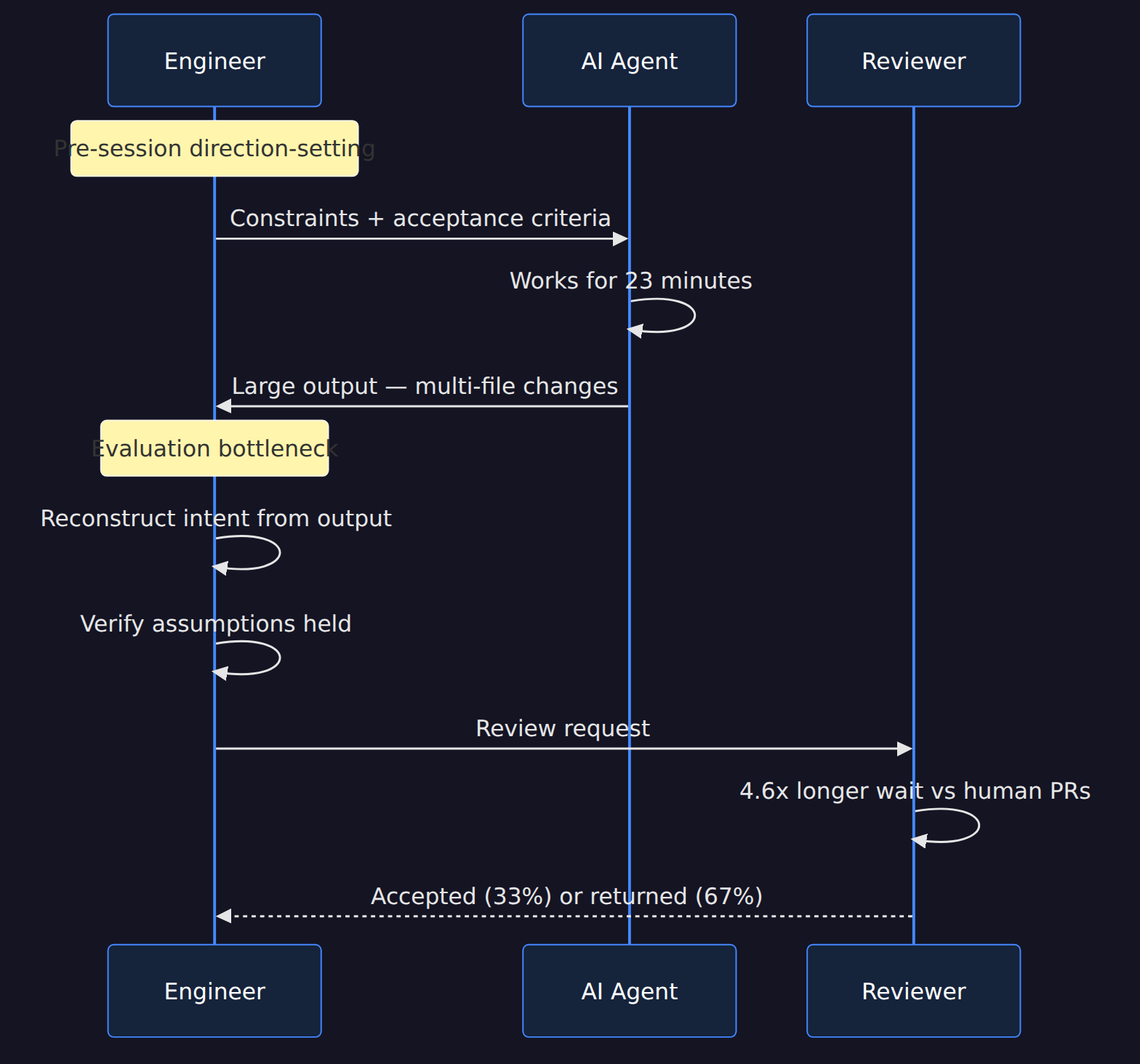
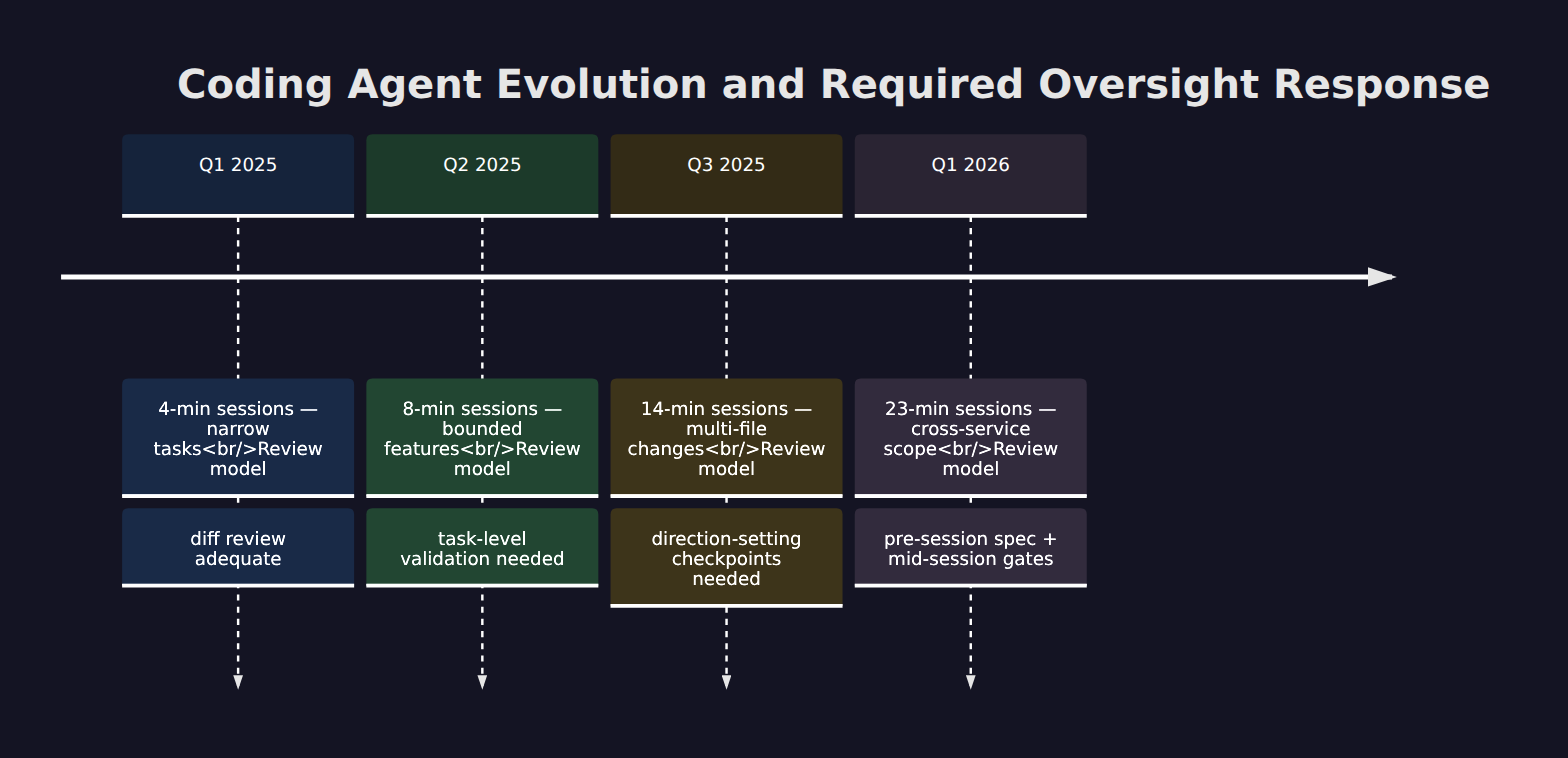
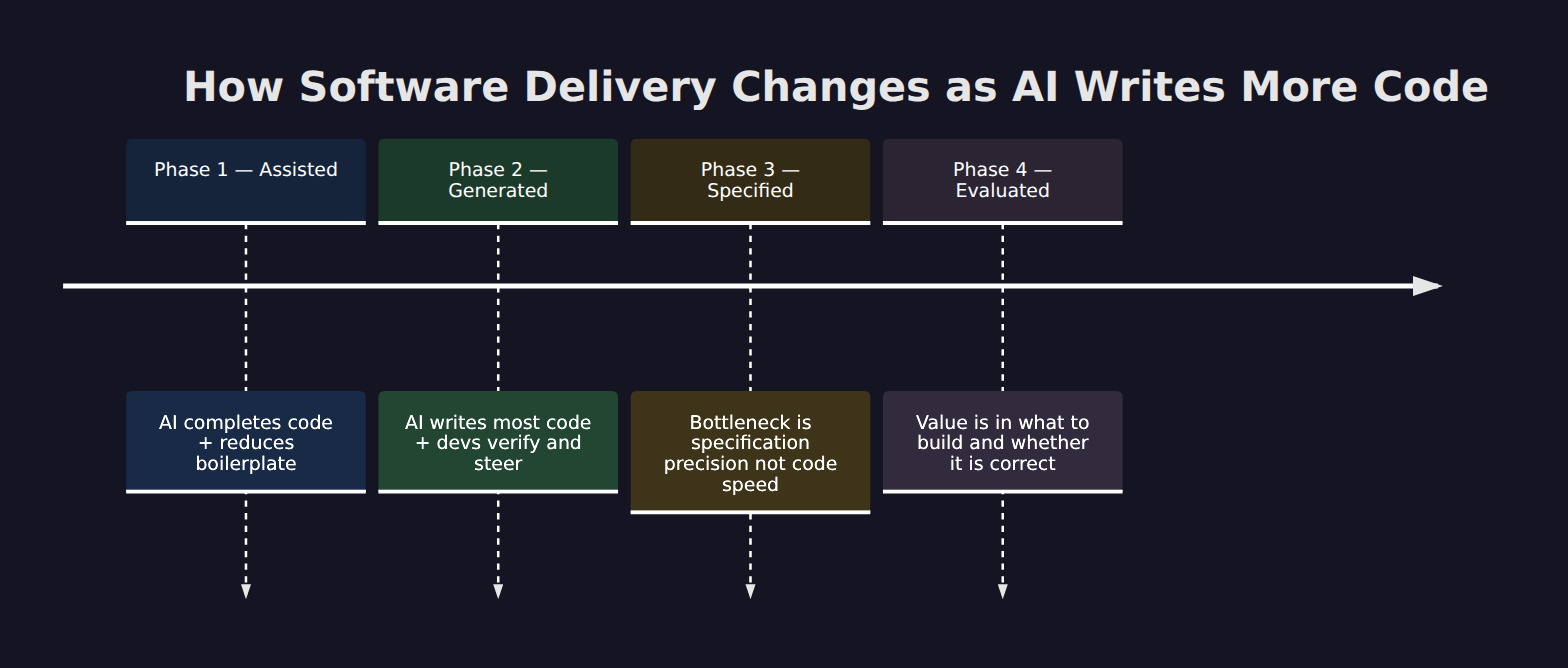
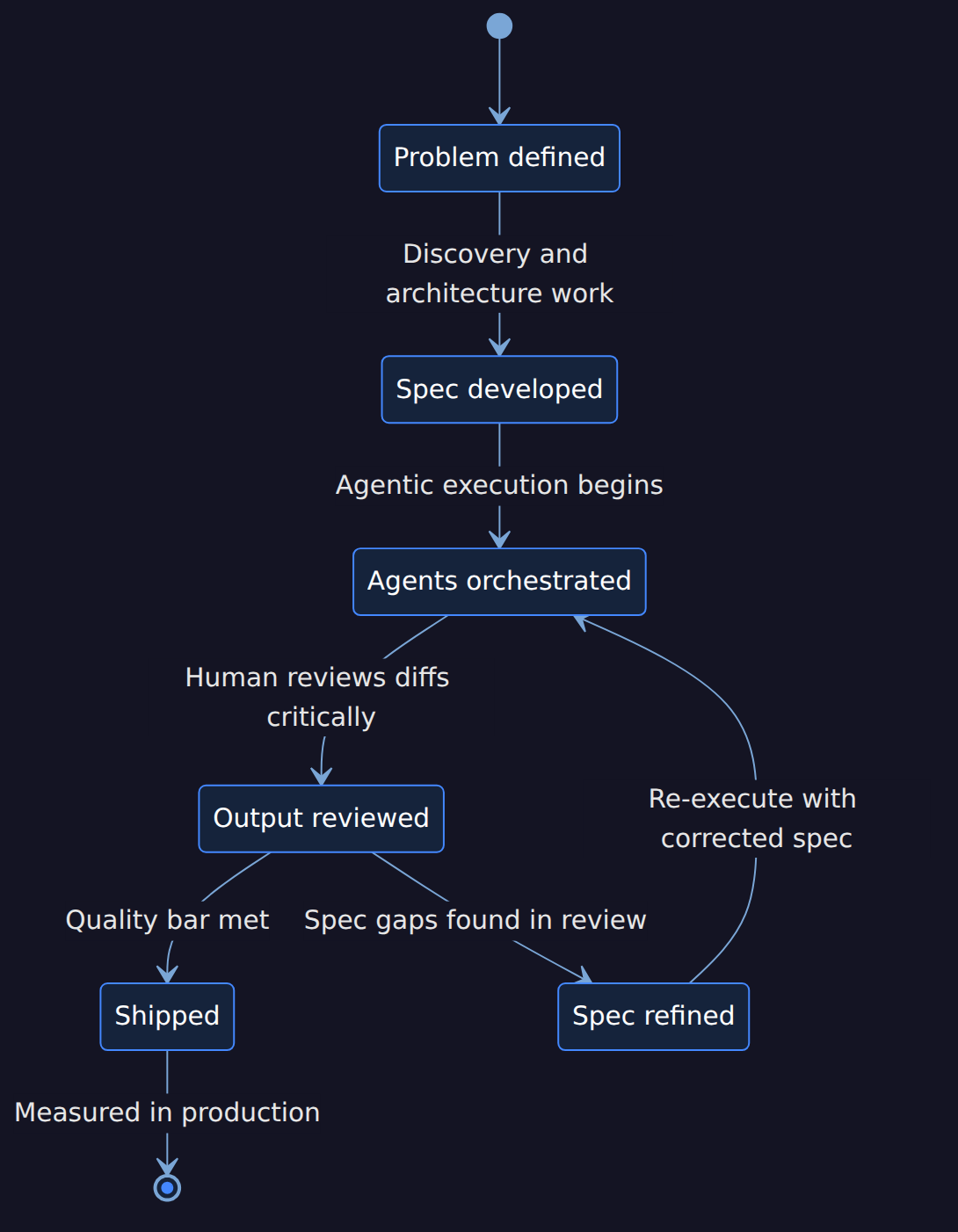
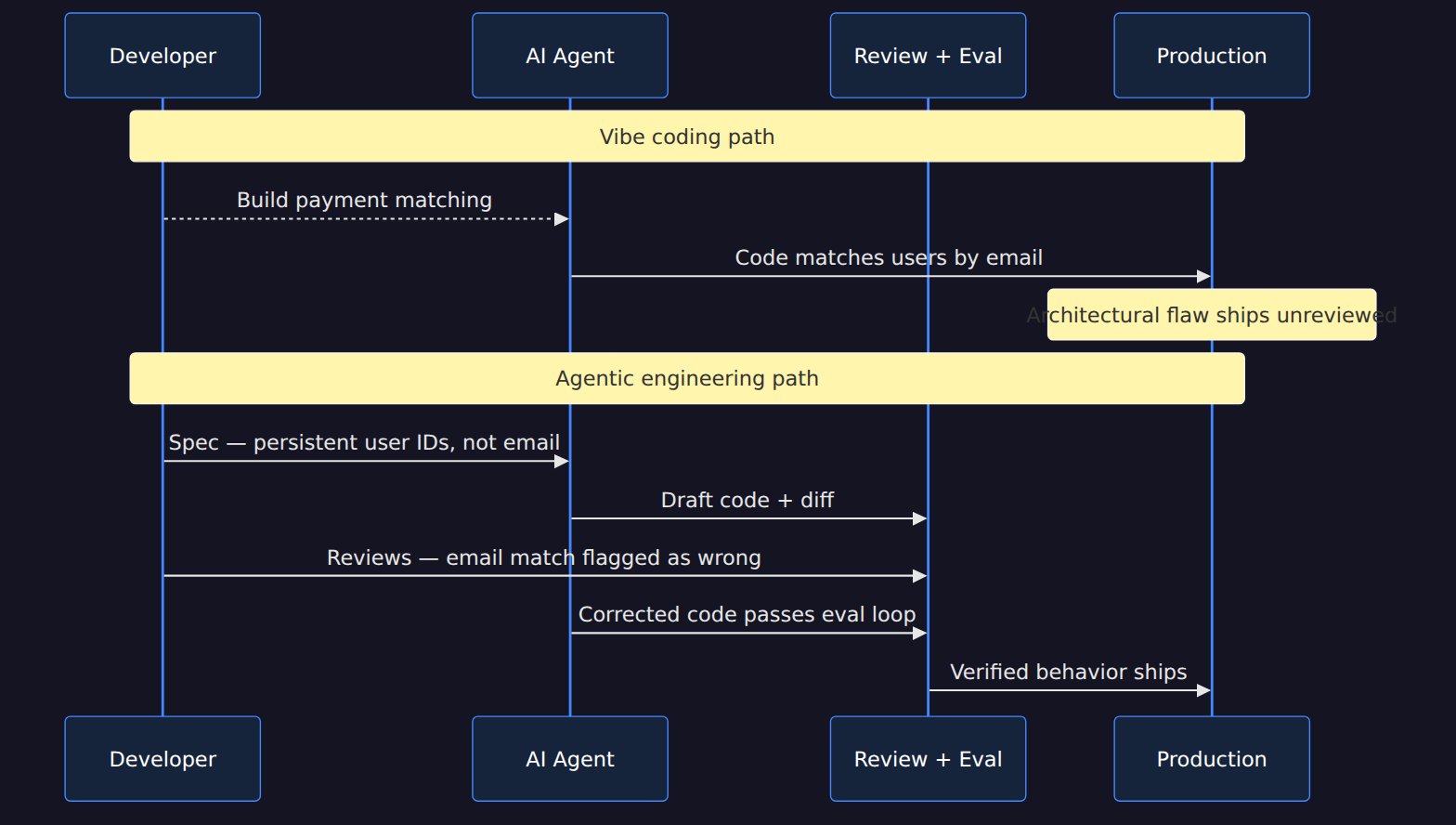
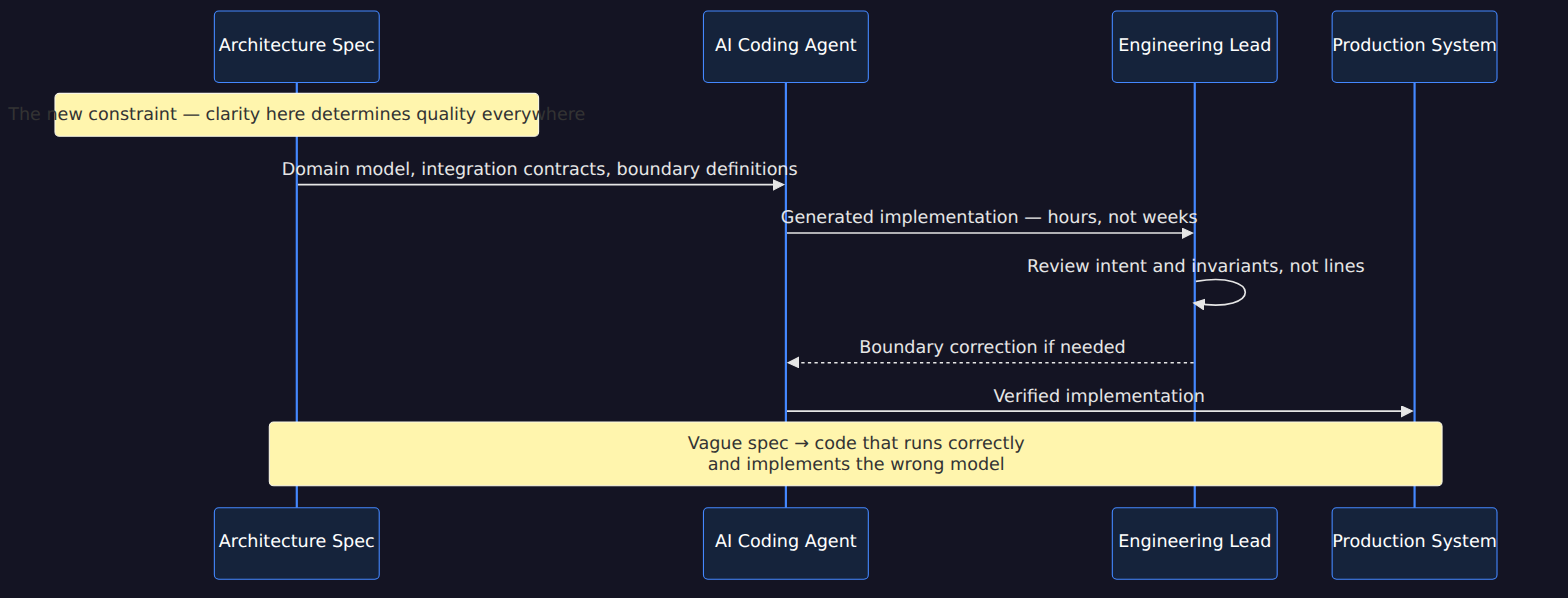
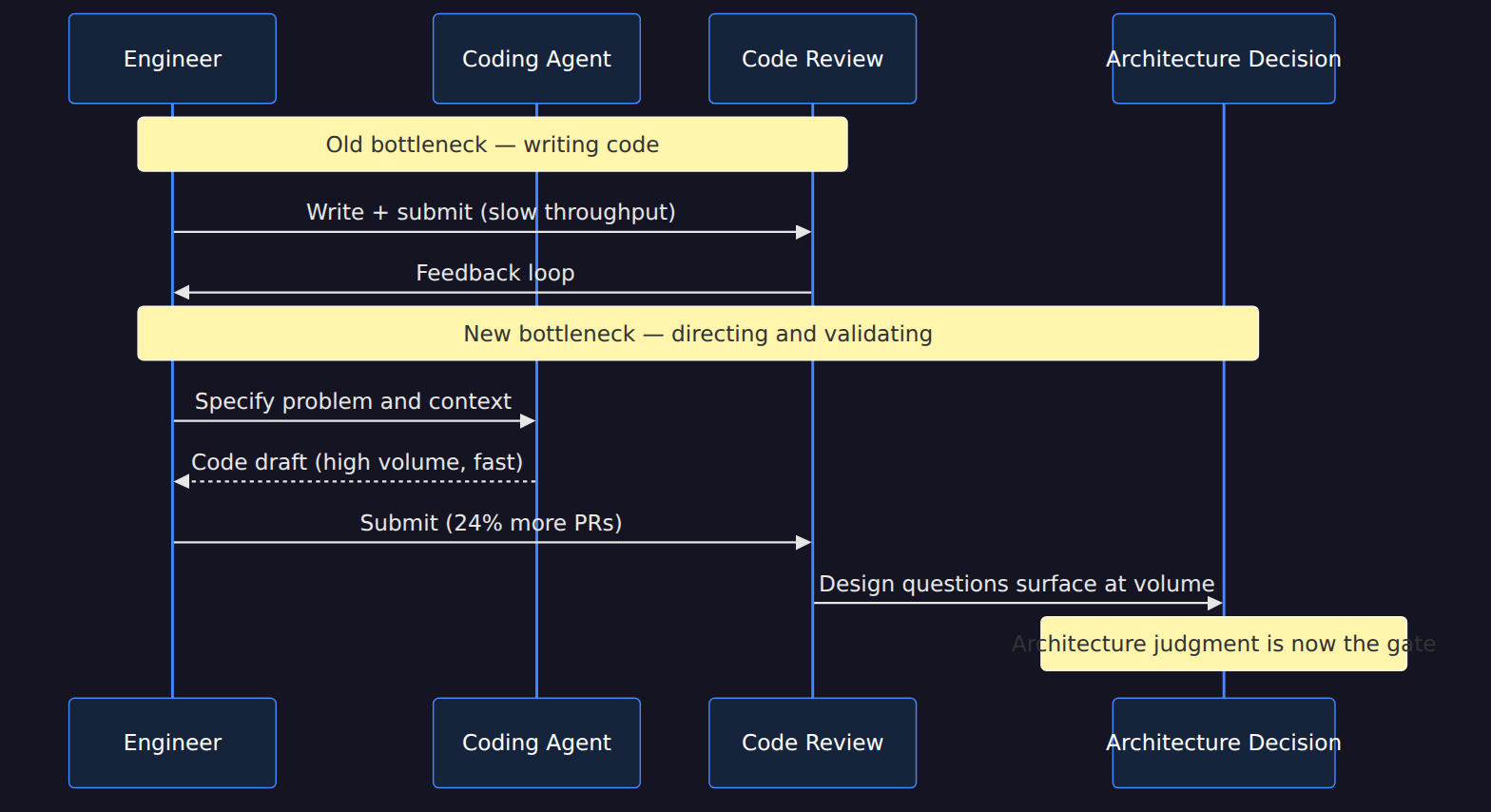
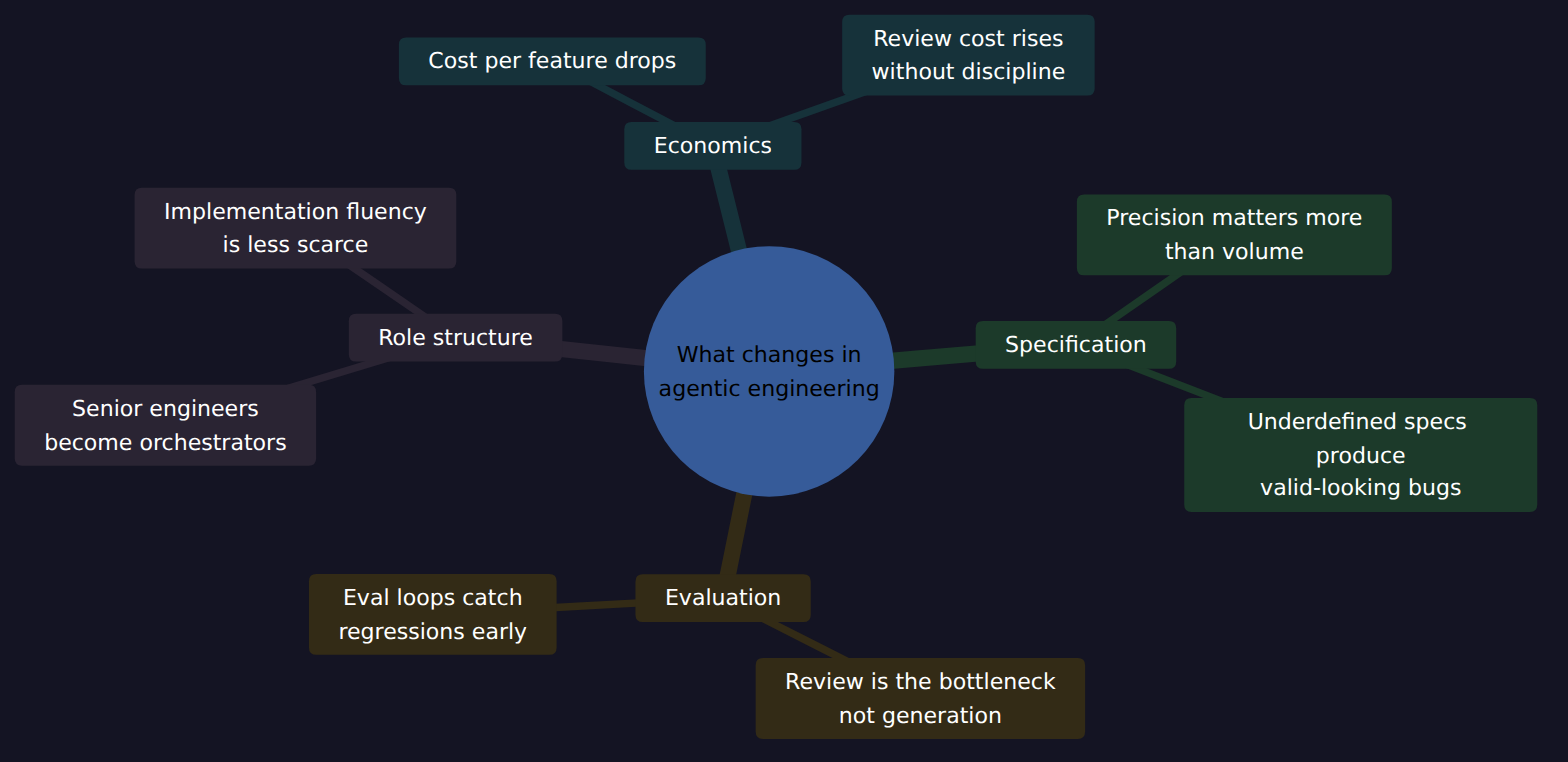
AI coding tools shift the bottleneck in software delivery from writing code to specifying it precisely and evaluating what was generated. Senior engineers who understand this are becoming orchestrators. Those who don't are getting buried in review queues.
Read
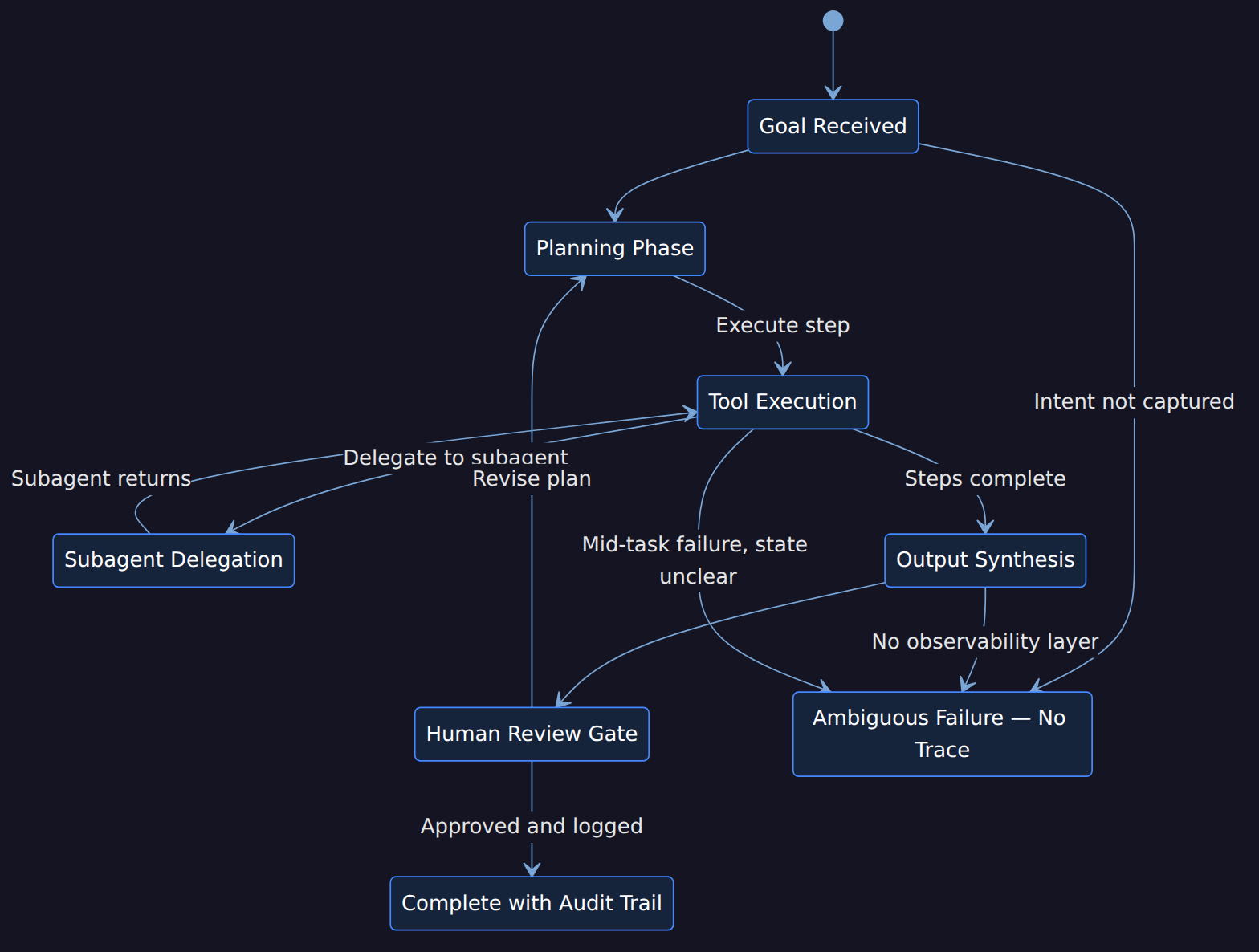
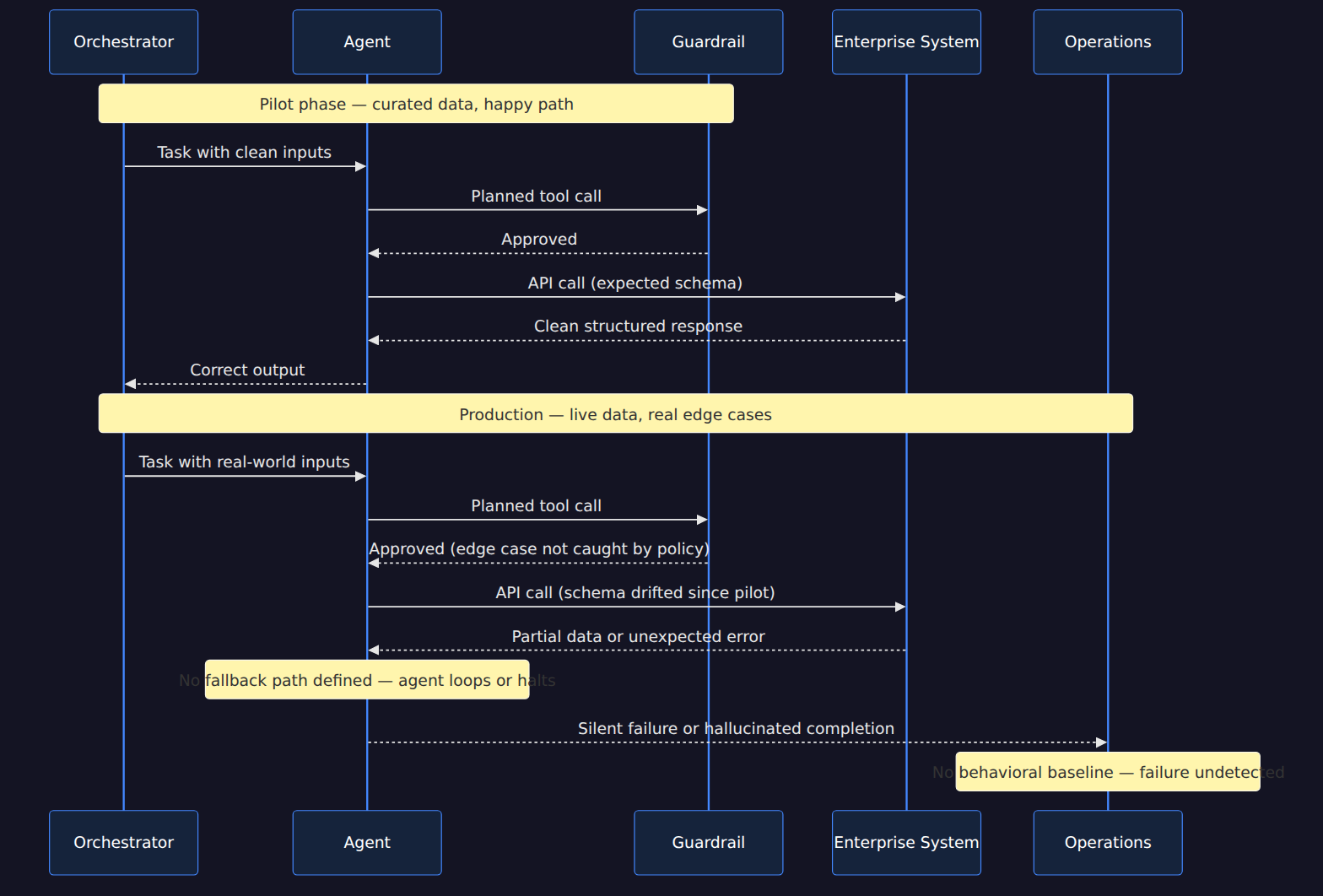
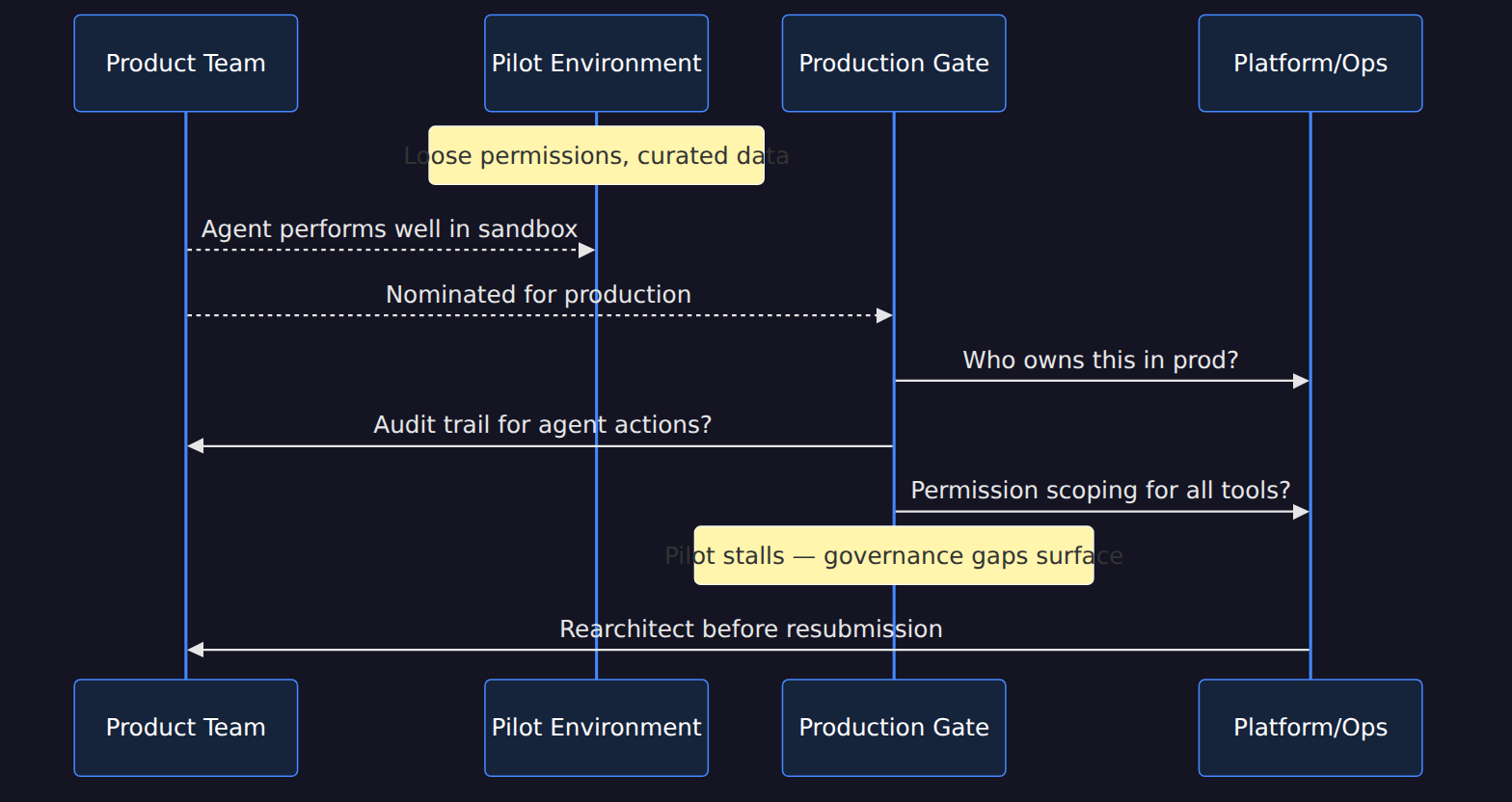
Eighty-six percent of enterprise AI agent pilots fail before reaching production. The cause is almost never the model — it is governance, tracing, and ownership gaps that the pilot phase was not designed to surface.
Read
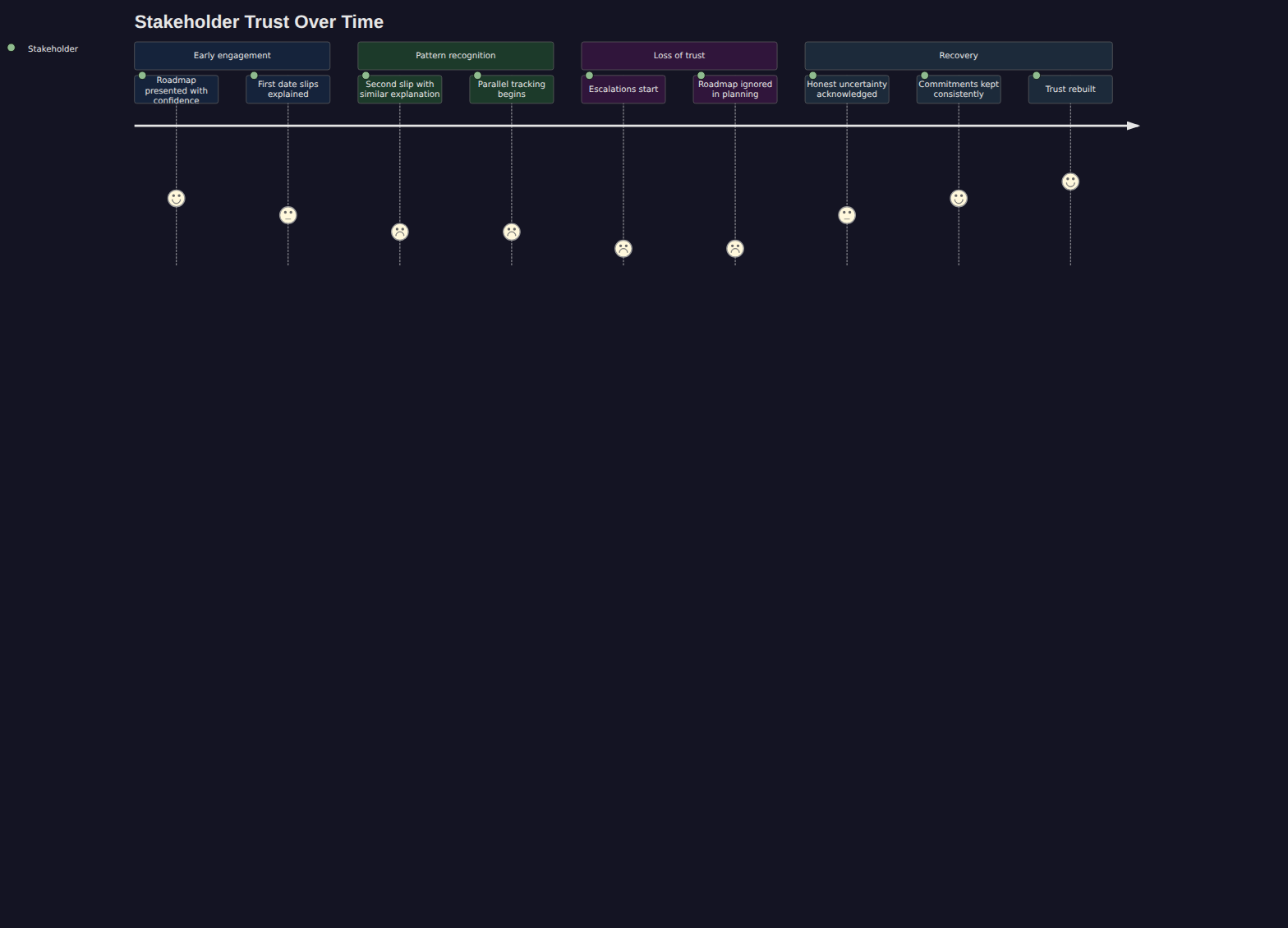
Most roadmap credibility problems aren't roadmap problems — they're communication and process problems. Here's what actually builds stakeholder trust over time.
Read
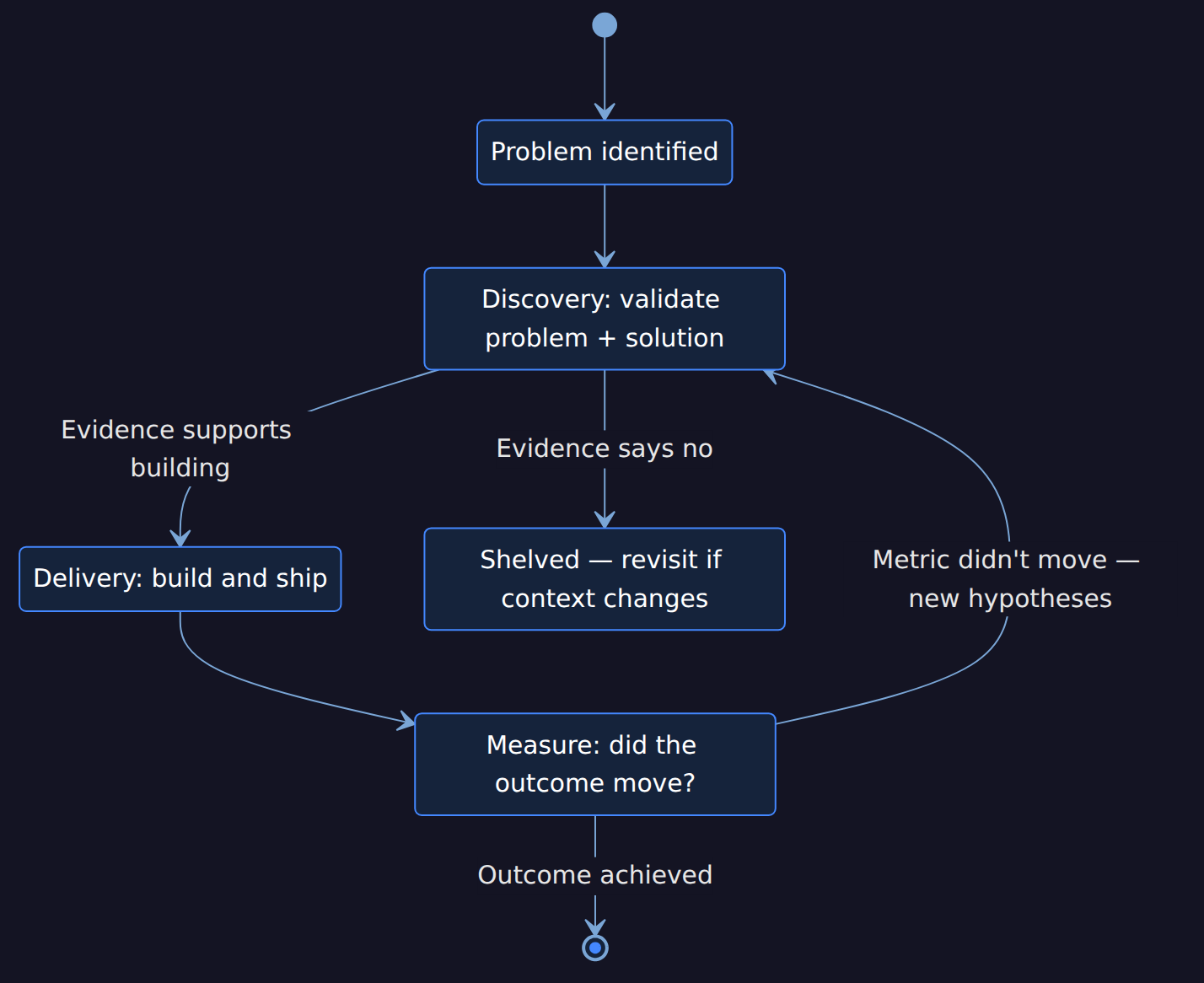
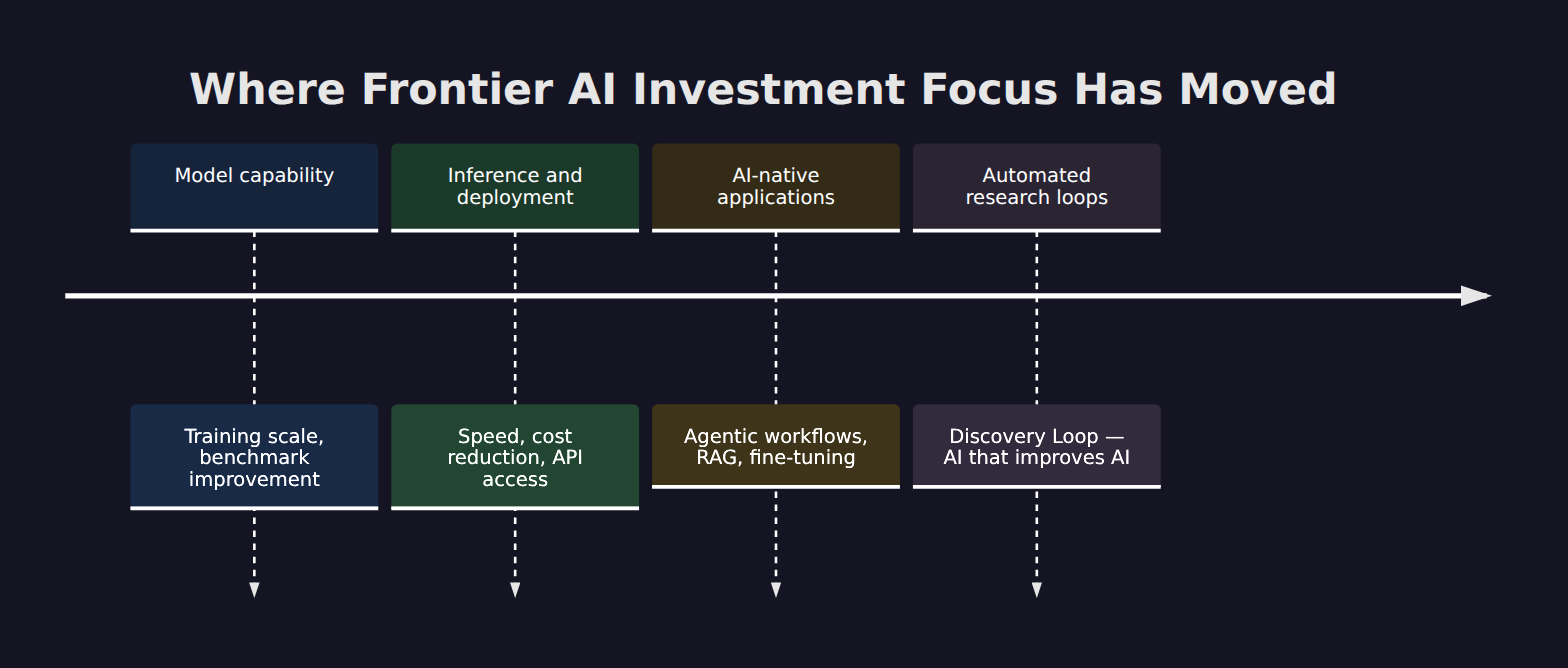
Most product teams run discovery and delivery as separate tracks — and wonder why shipped features don't move metrics. Here's what a healthier balance looks like.
Read
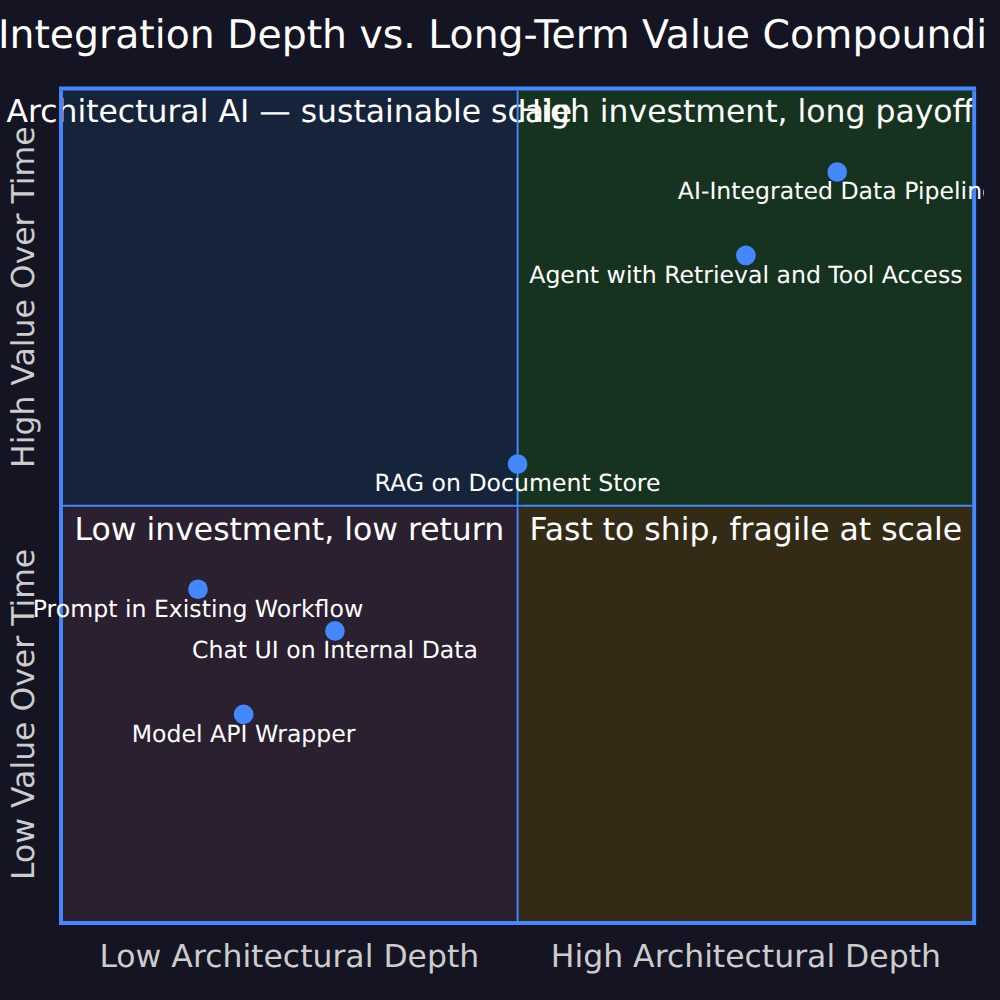
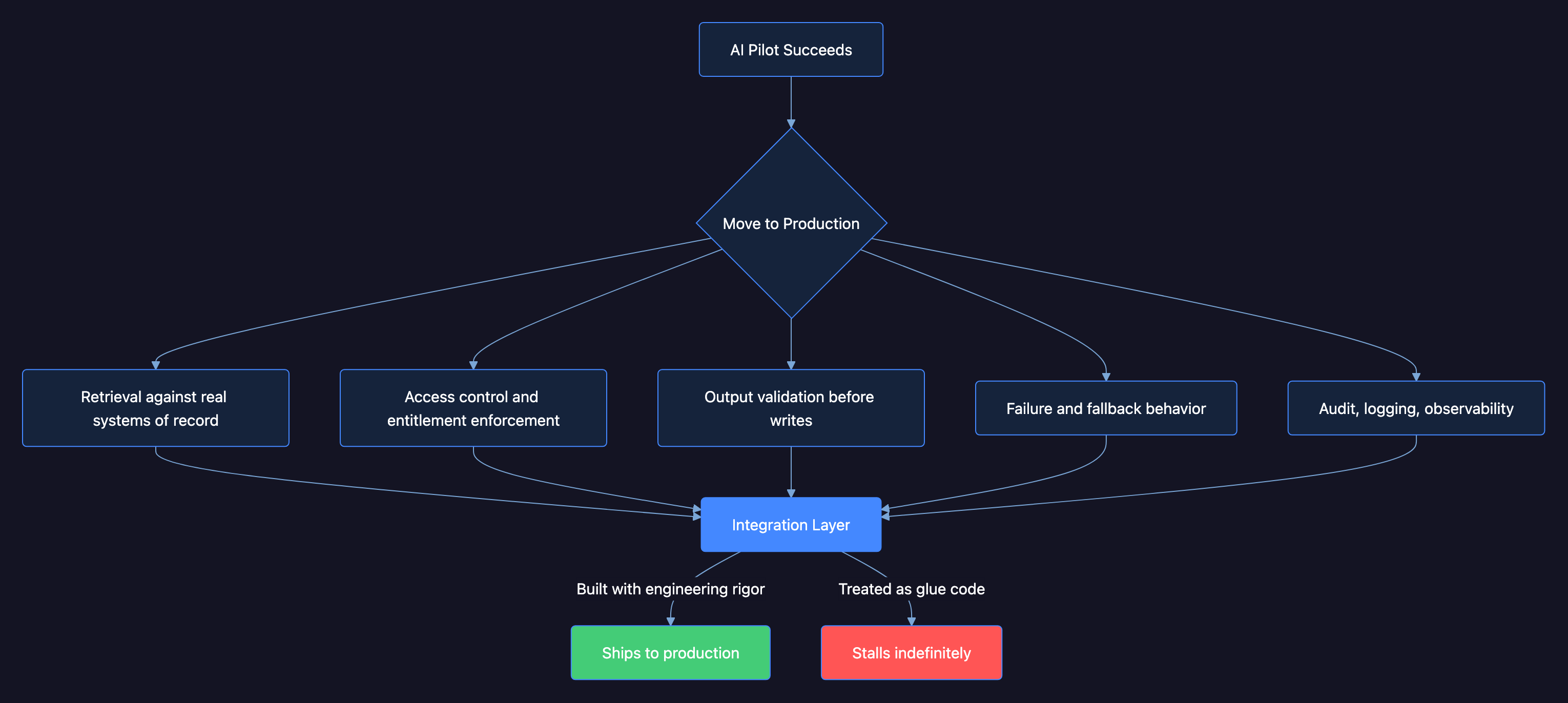
Most enterprise AI pilots work and most enterprise AI products never ship. The gap is not the model — it is the integration architecture between the model and the systems of record. Here is what that failure looks like and how to architect around it.
Read
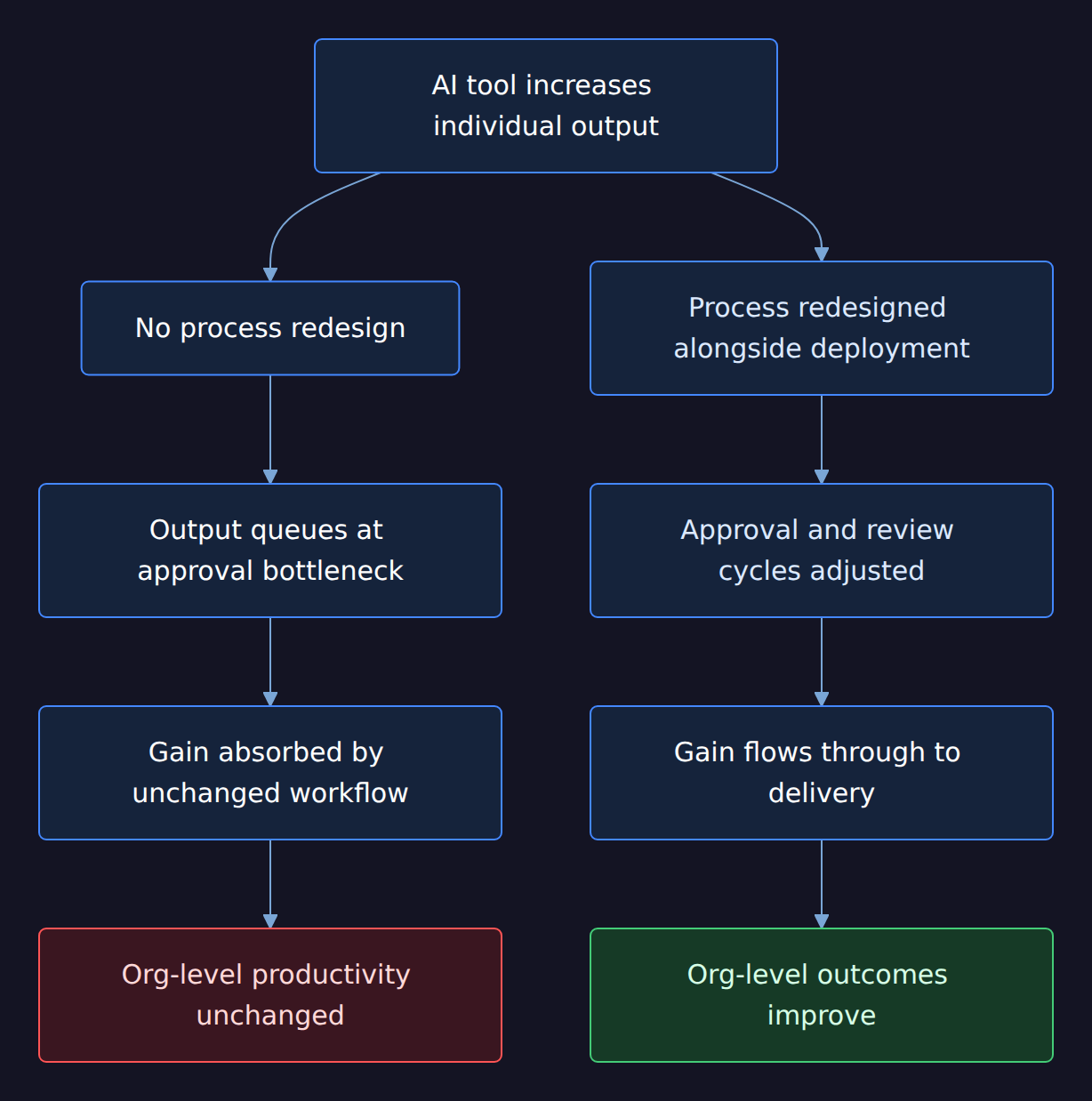
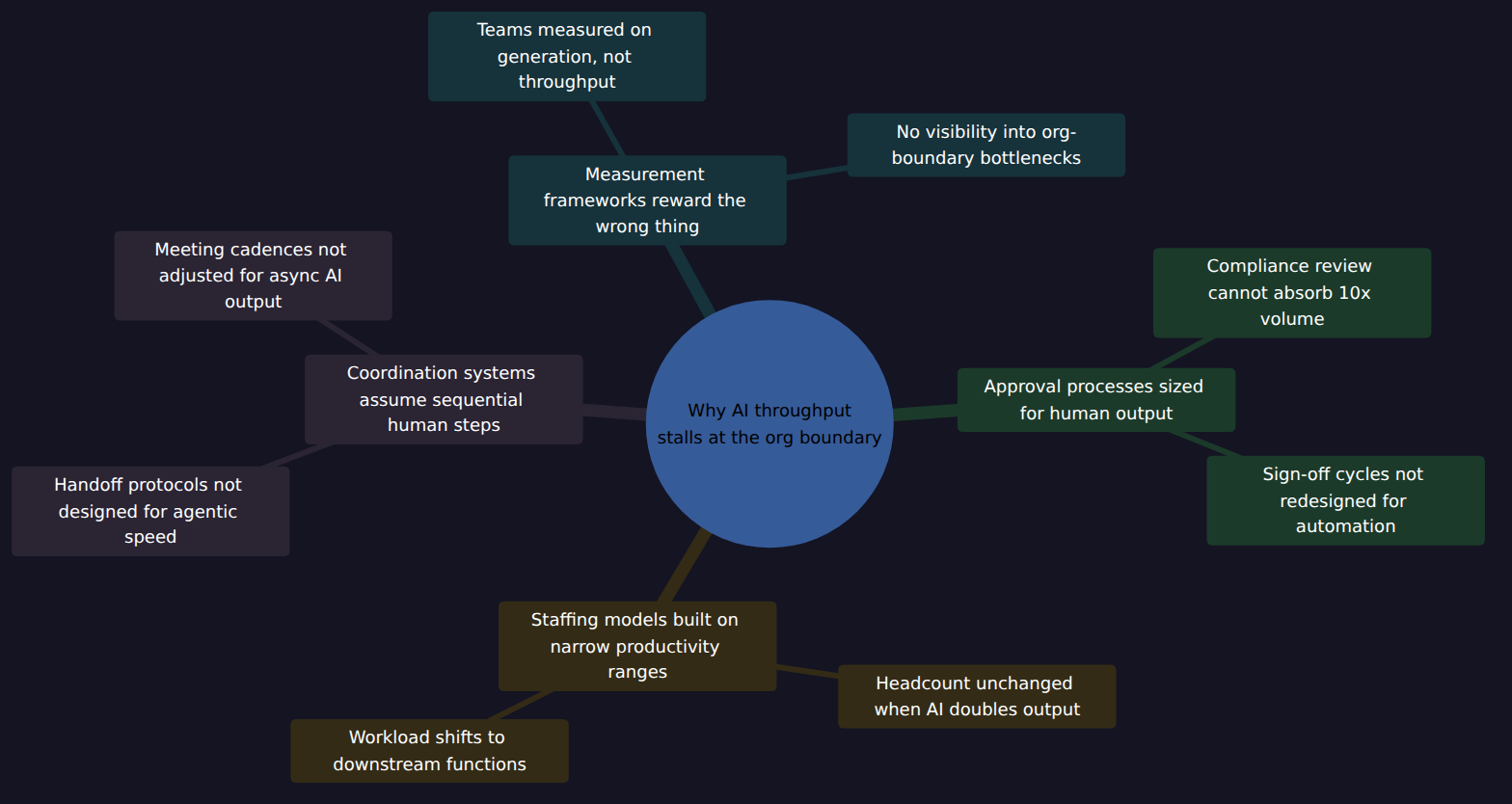
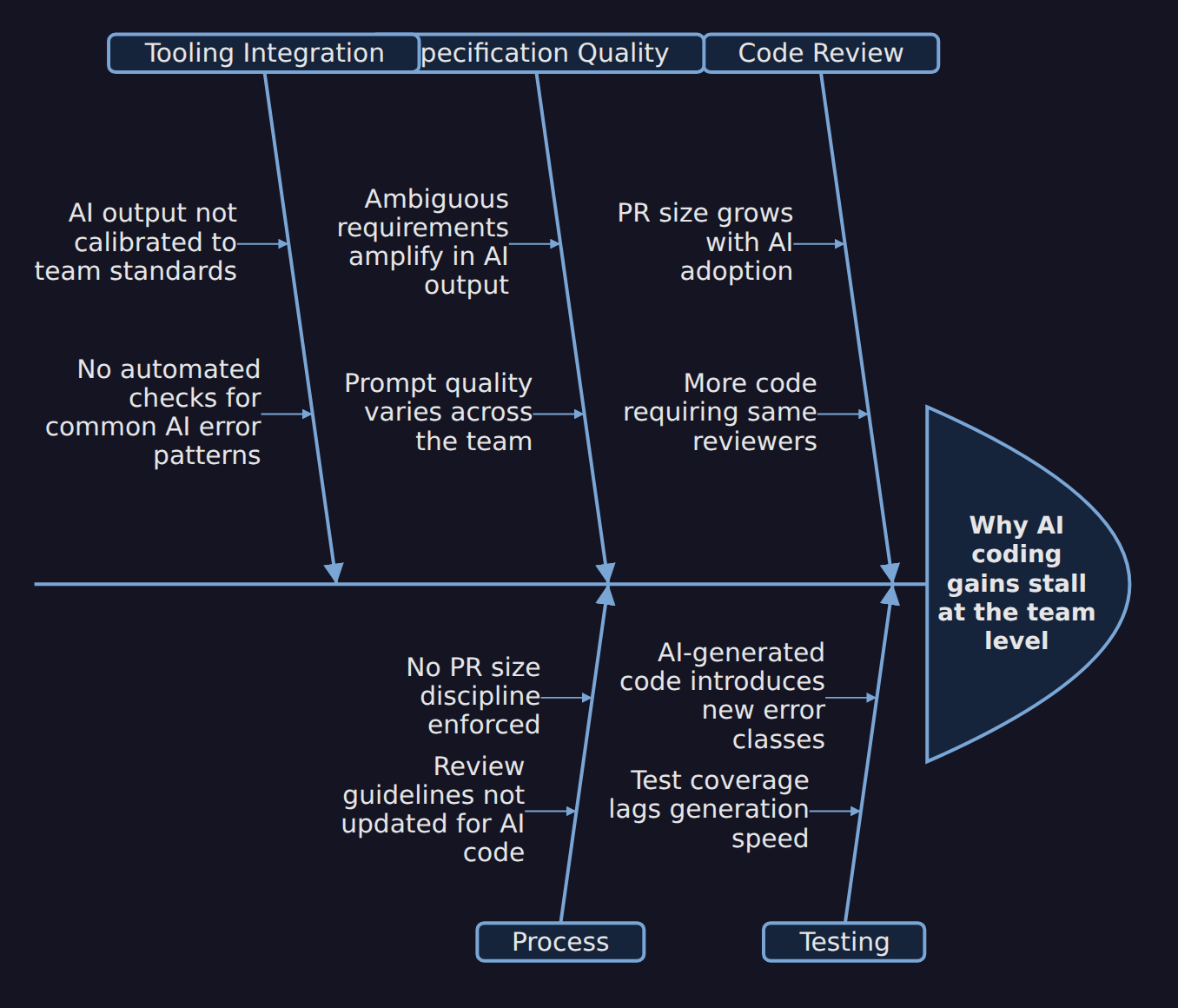
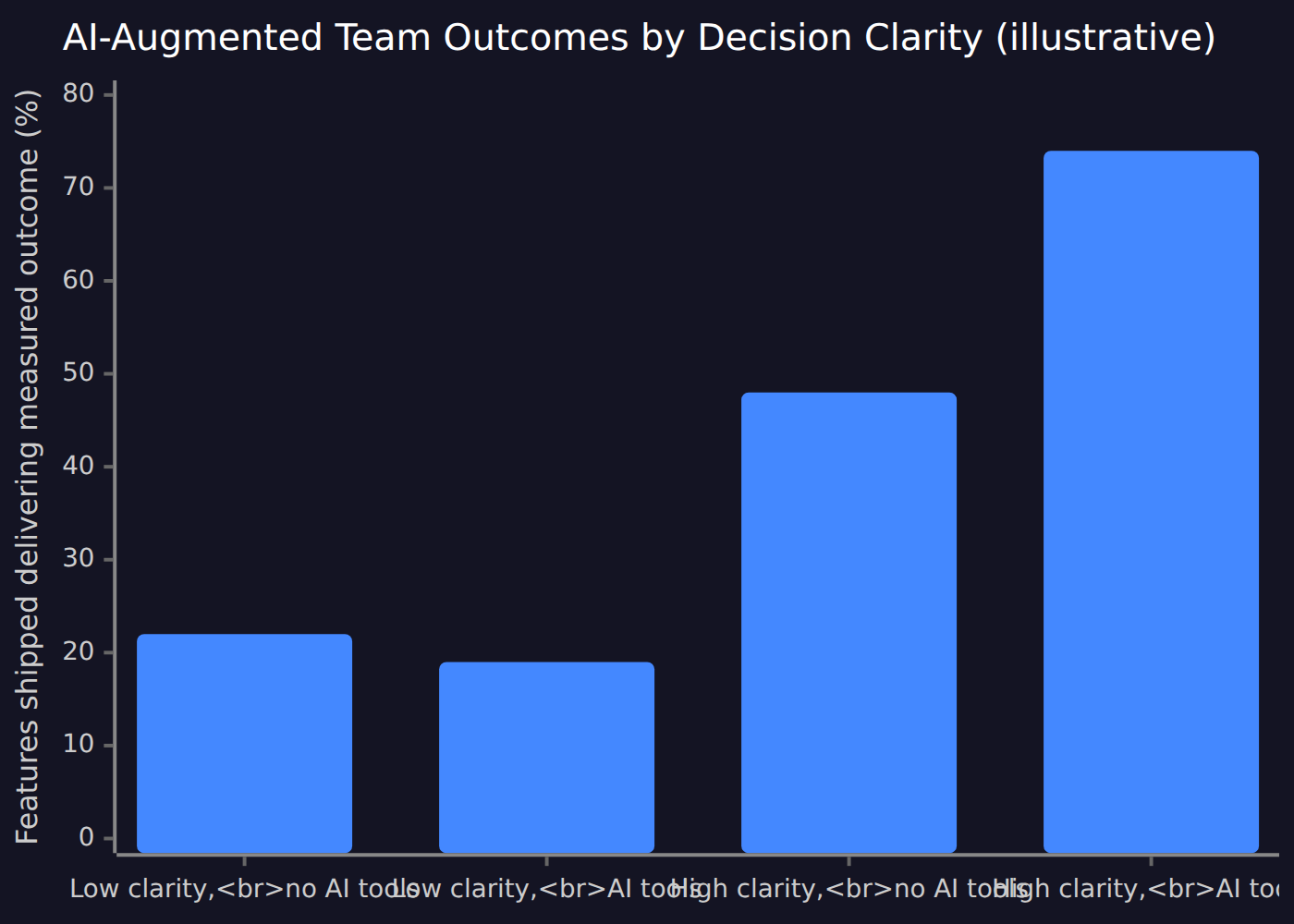
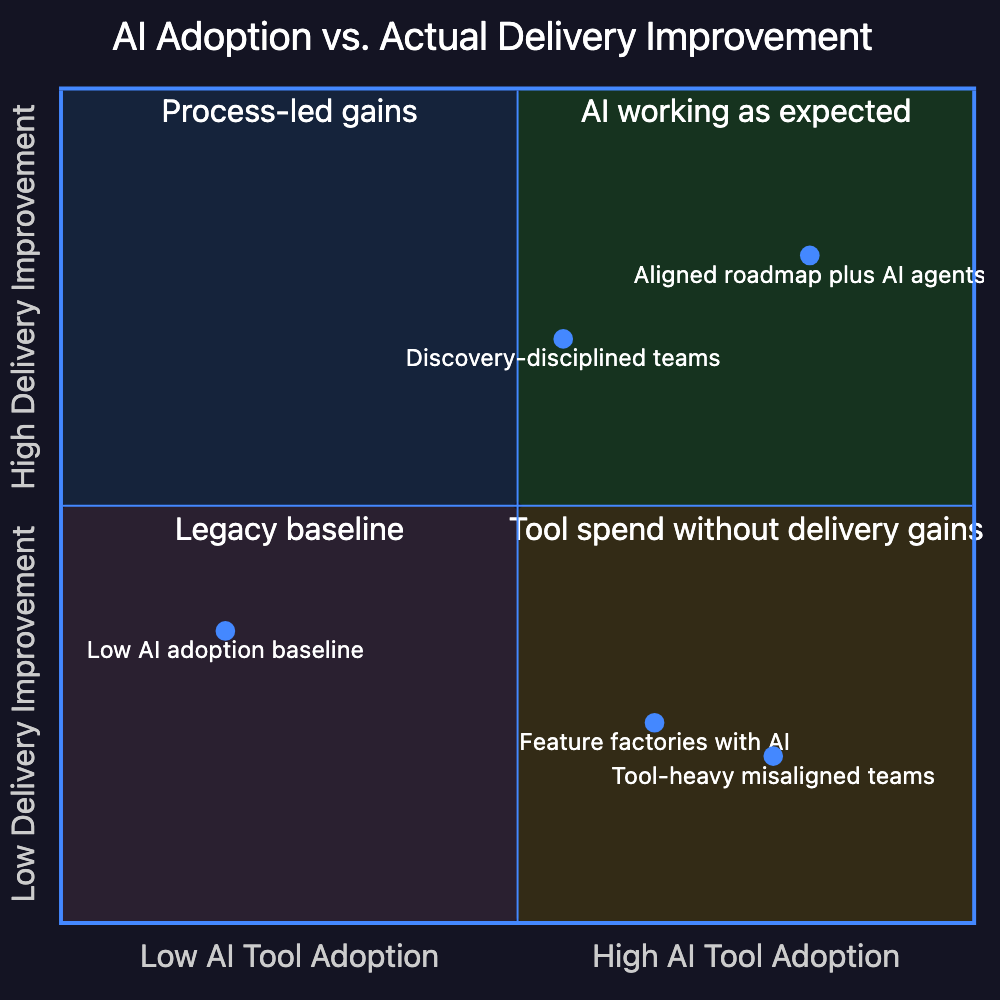
Individual engineers are more productive with AI tools. Team delivery metrics are flat. The gap is organizational, not technical — and it has a specific cause.
Read
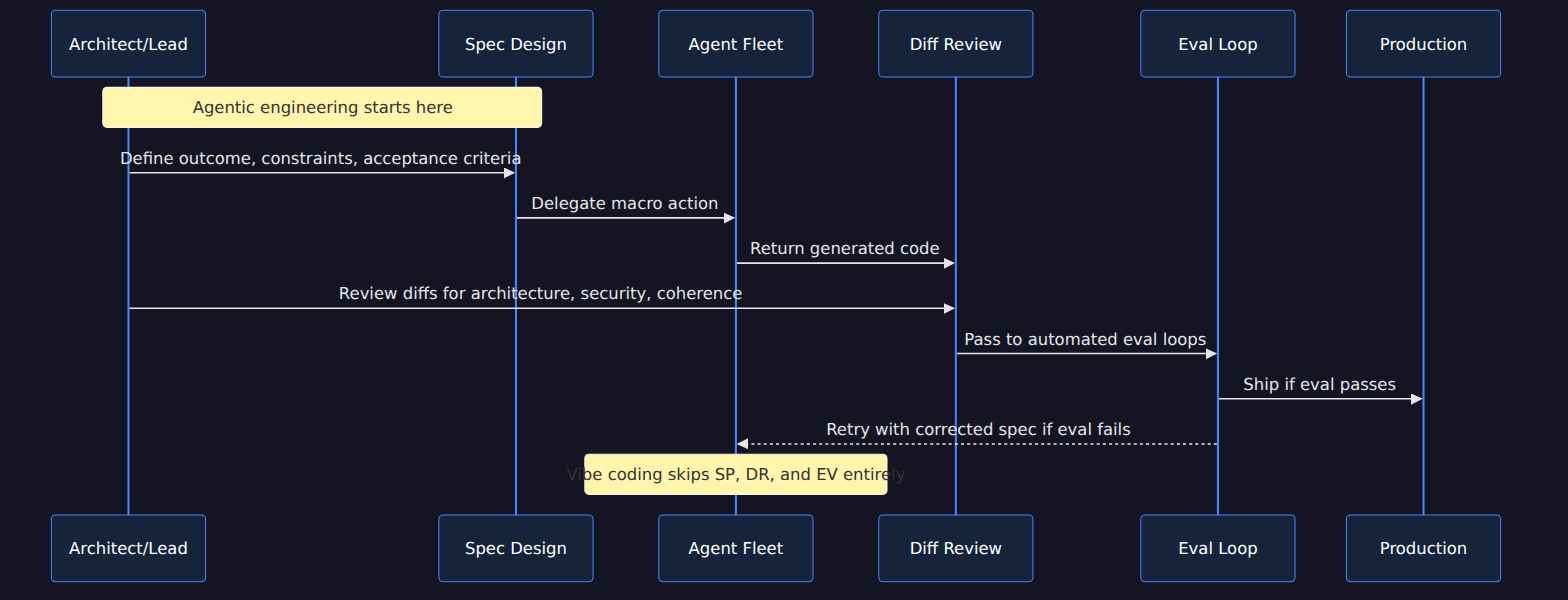
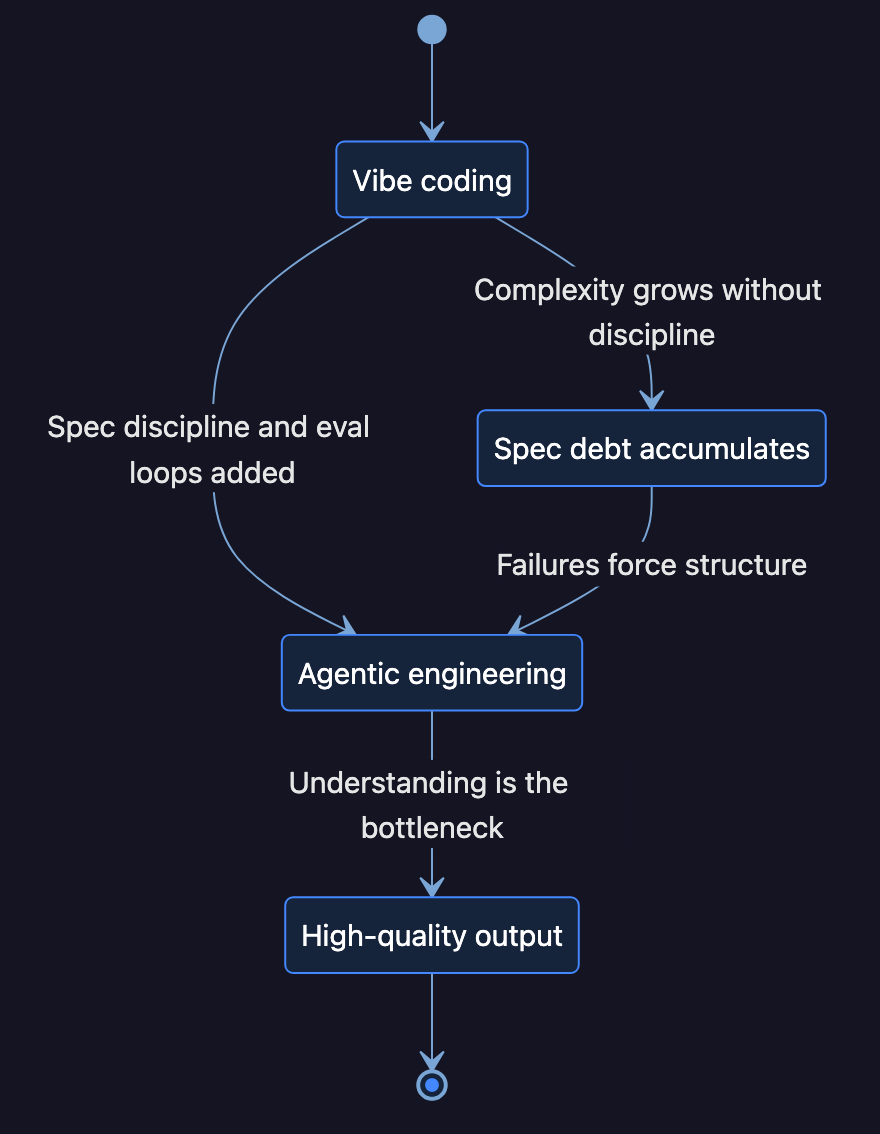
Andrej Karpathy's agentic engineering framework redefines the bottleneck in AI-assisted development — and it runs directly through the product management function.
Read
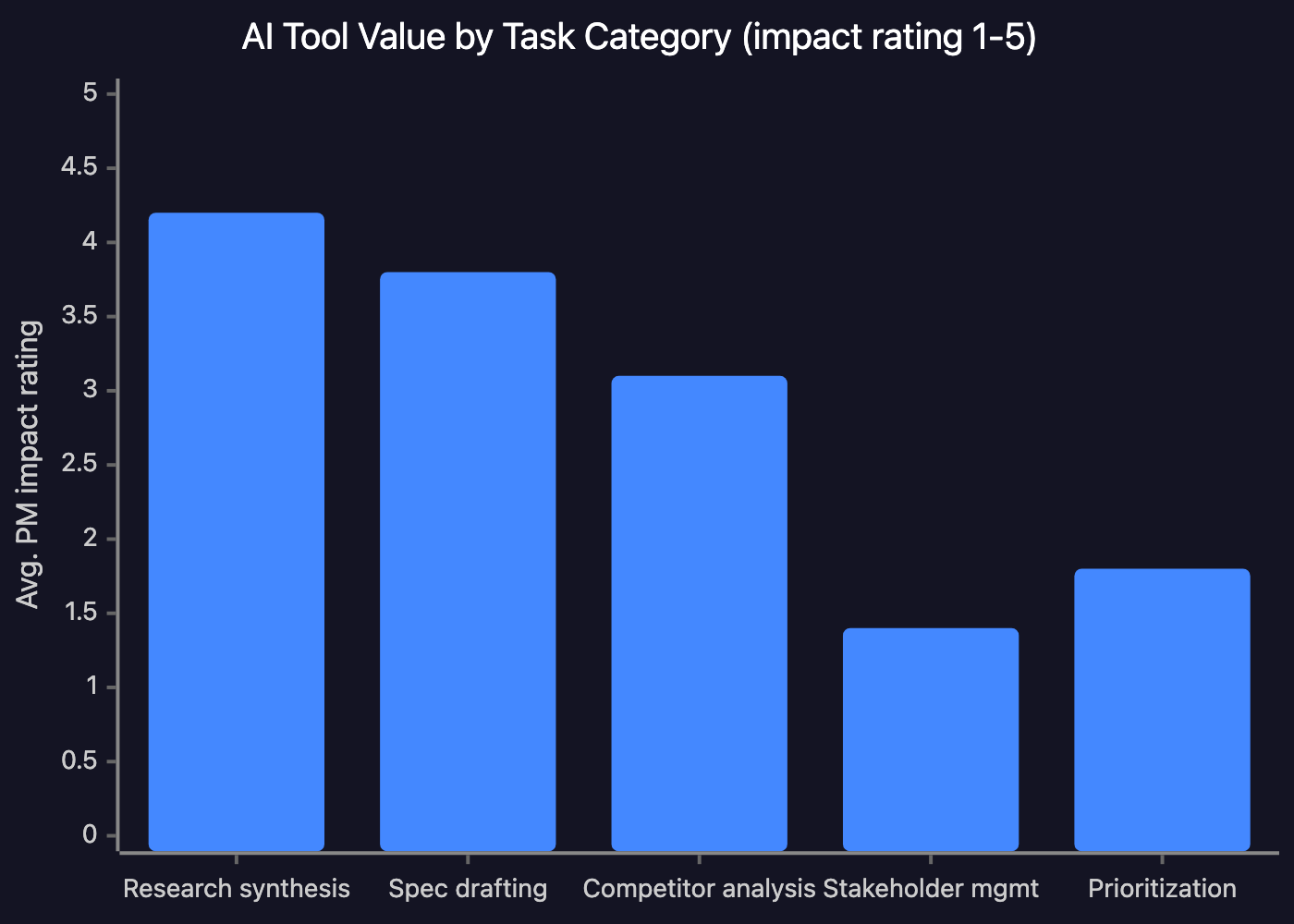
AI tooling is changing how product teams work — but the hype around it is obscuring which use cases are genuinely high-value and which are productivity theater.
Read
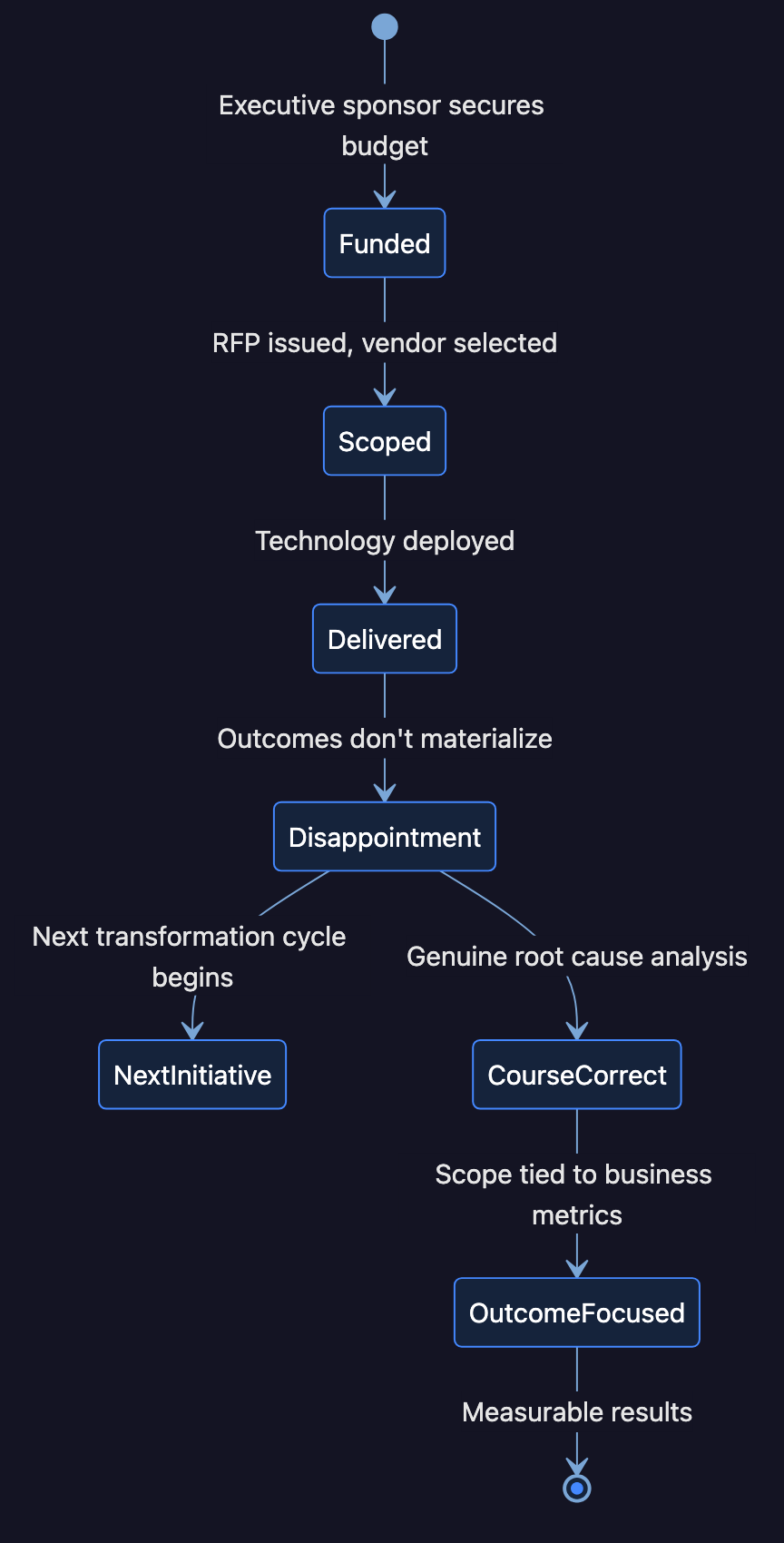
Most digital transformation programs fail not because of technology, but because of how the work gets scoped, funded, and governed. Here's what the failure pattern looks like and how to change it.
Read
Utilizing self-service Business Intelligence, business analysts, executives, and users of all kinds can run queries, create dashboards, build reports, and run models without the aid of IT, turning any business into a data-driven business.
Read
Reshaping your cybersecurity frontlines requires examining remote networking and combining strategies with threat intelligence.
Read
The ability to deploy data as a competitive business asset is what distinguishes a set of well-established, data-rich companies who have reigned as market leaders over the course of the past several decades. Data and technology are driving business change, while AI, machine learning, and deep learning are allowing organizations to access and utilize their data in ways they never could before, putting pressure on legacy businesses that must modernize to remain competitive.
Read
The role of the chief data officer is integral to organizational success in the modern data-driven world. For enterprise organizations to derive maximum value from their data, a chief data officer plays a vital role in ensuring trusted data through data governance, data privacy, and data security.
Read
The Monolithic Application Architecture is cumbersome, clunky, and slow to adapt to the need for dynamic, agile change. Therefore, it is essential to move from a monolith to a microservices architecture.
Read
Never before has so much data been available to so many. Integrating data and building useful analytical models with it is an exceptionally difficult process to achieve. To fully understand data, data quality and its enormous potential, a few data myths should be addressed -- and punctured.
Read
Today, there is a worldwide shortage of data science talent that threatens to derail the Big Data revolution that is transforming business and society. The concept of the citizen data scientist first gained prominence in 2015, when Gartner coined the term, referring to it as “a person who creates or generates models that use advanced diagnostic analytics or predictive and prescriptive capabilities, but whose primary job function is outside the field of statistics and analytics.” Gartner believes today's citizen data scientists can perform the sophisticated analyses that could only be done by data scientists in the past.
Read
Cyber threats are now very physical. They evolve and so do their targets. Pipes, plumbing, electrical, water supply - all is at risk. How does that translate to direct or indirect harm beyond the digitial walls? This article dives into that question.
Read
Remote worker burnout is a serious issue which will incresae without proper addressing. Learn the signs of faltering mental health and how to help your remote workforce!
Read
There's growing friction between remote work adoption and demand. Some businesses desire a return to office environments in a world where remote workers like their newfound work space.
Read
COBOL or Common Business Oriented Language is a 60-year-old business language that still powers a substantial slice of the world’s most critical business systems. In fact, COBOL is unique in its endurance beyond what is considered the average lifespan for software development languages.
Read
On October 29, 2018, Lion Air Flight 610 was en route from Jakarta, Indonesia to Pangkal Pinang, Indonesia when the disaster occurred. The flight carried 189 passengers and crew members, all of whom were killed in the crash. The cause of the crash was initially unknown, but later investigations revealed that a malfunctioning sensor on the plane caused the aircraft's flight control system to activate, causing the plane to rapidly dive.
Read
When the Federal Information Technology Acquisition Reform Act (FITARA) was passed by Congress, it was a watershed moment. Mainframes shuddered in the shadows, fearing their doom. IT leaders expected to see amazing new waves of modern software spending. It was aimed at improving the management of information technology across the entire spectrum of the federal government, with the goal of reducing costs and improving the efficiency and security of IT systems.
Read
The business intelligence landscape has undergone significant transformation in the last few years, largely due to advancements in technology and changes in business needs. The BI landscape has transformed from being a tool primarily for data analysts to a platform accessible to a wider range of users with more advanced capabilities, features, and integration options.
Read
Artificial intelligence is now swallowing up an entirely new swath of technology department functions. So it’s not entirely surprising that it’s gulping up cybersecurity as well. The future of cybersecurity is all about artificial intelligence, and specifically, machine learning, because bots are far better at protecting us than we first understood. It's a science, not an art. We need the bots to take up arms and detect the anamolies in all shapes and sizes.
Read
Chatting with ai chatbots one thing, but building enterprise applications that let us stand on their shoulders is something else entirely. We take a look at the broad and far-reaching possibilities when it comes to conversational AI, chatbots, chatGPT, and what it could evolve into for enterprise software.
Read
An Omnicloud strategy can add to the benefits of multi-cloud by providing a unified and integrated cloud platform that allows users to access and manage their data and applications from a single location, regardless of where those resources are physically located. The approach can help organizations to increase their agility, scalability, and flexibility while reducing costs, improving security, and enhancing user experience.
Read
Data is the world's new currency. However, in order to derive value from the Big Data paradigm, it is critical to design, develop, and deploy a cloud-based data architecture. Additionally, it is essential to move the on-premises data stack to a cloud-based ecosystem.
Read
Since the early 1990s, the advent of the internet has led to an accelerated use of technology in logistics. This has included such developments as barcode scanning and GPS tracking of shipments, as well as more recent innovations such as robots and artificial intelligence. These advancements have allowed for increased productivity and decreased costs and errors in the field. In this digital transformation age, logistic technologies are undergoing major changes in order to keep up with the pace of the modern economy. Companies must be prepared to adapt to emerging technologies if they wish to remain competitive in a globalized world.
Read
How large companies and emerging apps are marketing to the end-consumer. It's a wild and wonderful (and complex) time to be in marketing. Catering to the tech-savvy user is now the norm, and companies are getting better at this art and science.
Read
Augmented Reality (AR) and Virtual Reality (VR) have the potential to significantly change the way people interact with the world and each other.
Read
By the mid-2010s, many popular ERP systems had already begun offering APIs to integrate with other software systems and automate specific business processes. The growing popularity of APIs and the trend toward integration and automation in the software industry has likely played a role in the widespread adoption of APIs in ERP systems. ERP systems can expose their data and functionality to other systems and applications using APIs, allowing for more streamlined and efficient logistics and operations.
Read
The acceptance of vehicle-friendly apps beyond simple navigation, music, or infotainment, foretells future when can car will become work and leisure time. Our bosses will likely be showing up on holographic displays right there in our vehicle cockpit.
Read
Cybersecurity costs real money, but it is now table-stackes. You simply have to pay the price to secure your company. It's the oxygen for the patient. The issues of data sensitivity, business continuity, regulation compliance, and customer trust are now all center-stage.
Read
Google is unmistakably, absolutely, and deeply vested in cybersecurity. It acquired cybersecurity company Mandiant, (a provider of incident response and threat intelligence services), in late 2022 for a paltry $5 billion. This however, is just the beginning. We see the larger picture of cybersecurity, and artificial intelligence is going to dominate that conversation.
Read
DevOps CI/CD and app performance management is made simpler and more powerful by using AI, ML, and big data analytics.
Read
The coronavirus pandemic and the Fourth Industrial Revolution have driven the rapid growth of cloud computing technology. Cloud computing offers many advantages, including replacing upfront IT infrastructure expenses with a low-cost pay-as-you-go model, increasing speed and agility, and upscaling and downscaling as needed. Amazon Web Services (AWS) is one of the leaders in cloud computing, with clients in over 190 countries. AWS cloud-based services are grouped into categories like storage, networking, compute, and databases. Understanding the different components of cloud-based architecture is essential to successfully adopting cloud computing for businesses of all sizes and industries.
Read
Automation isn’t just about robots, mechanization, and replacing factory workers. It can also be about using solutions to oversee massive IT estates to keep them running optimally, or removing menial, labor-intensive work that is often better handled by computers than humans. AIOps and Hyperautomation use AI and machine learning to analyze a company’s day-to-day IT operation, keeps it functioning properly, alerting people and departments appropriately, often proactively fixing any potential issues that arise. AIOps deep dives into operational data, understanding relationships between resource utilization, tracking ongoing behavior, identifying correlations that drive application constraints, while generating models of application behavior to followed going forward.
Read
Automation and RPA specifically are here. The executives just have not wrapped their arms around it quite yet. But they're getting on board. One at a time, "hey let's automate that!"
Read
As artificial intelligence and machine learning infultrates the SaaS CRM software market, it has brought fresh opportunities to provide businesses with more sophisticated features, more intelligent insights, timely recommendations, automation of manual tasks, and a more creative and personalized customer experience overall. The Modern CRM is here, batteries included.
Read
When Google open-sourced the core components of Borg as what they now call Kubernetes, with the goal of providing a common platform for managing containers that could be used across a variety of organizations and industries. Kubernetes has gained widespread adoption and has become the de facto standard for managing containerized applications and automating software development processes.
Read
Security log files are gold. They are rich with clues, pointing you to the clues that can prevent data and cyber breaches proactively. Log analytics is a cottage industry, and includes collecting, analyzing, and searching large volumes of security-related log data in order to detect and respond to potential security threats.
Read
Although the mountain of information can exhaust the limited time of a technology executive, a reasonable baseline understanding of the movements and cadence of artificial intelligence and predictive modeling is imperative to truly capture, and then, in turn, communicate, the enormous potential that some of these solutions hold.
Read
In 2021, a ransomware attack hit the U.S. hard. The Colonial Pipeline was targeted. As a major fuel pipeline, it stretches over 5,500 miles. It transports 2.5 million barrels of fuel daily, from Texas to the East Coast. On May 7, DarkSide, a cybercriminal group, struck. Operations halted.
Read
The value of data does not lie in the possession of it, but in its organization and the speed with which it can be accessed through the data estate.
ReadWe help mid-market and enterprise teams put AI into the systems that run their business — designed, built, and integrated to last.